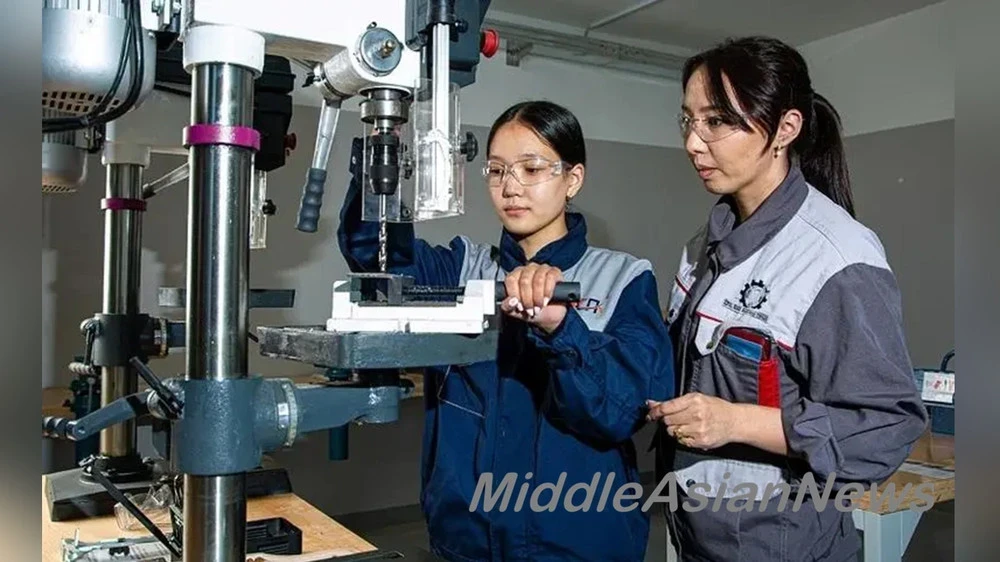
On February 26, another meeting of the Steering Committee of the project "Technical and Vocational Education and Training based on Partnership (TVET) II" took place. This project aims to support reforms in the field of technical and vocational education in Mongolia.
During the meeting, participants discussed the results achieved by the project in 2025 and outlined actions for the first half of 2026.
The project, which will be implemented until June 2026, is carried out by the Ministry of Education in cooperation with the German Society for International Cooperation (GIZ), with financial support from the Federal Ministry for Economic Cooperation and Development of Germany and the Australian Department of Foreign Affairs and Trade.
Currently, the project focuses on reforming the vocational training system in Mongolia, emphasizing the implementation of results-based financing in vocational education and the development of dual training in schools and enterprises.
Technical and vocational education and training (TVET) serves as a link between the education system and the labor market. It plays a key role in addressing economic, social, and environmental issues, helping young people and adults develop the necessary skills for employment.
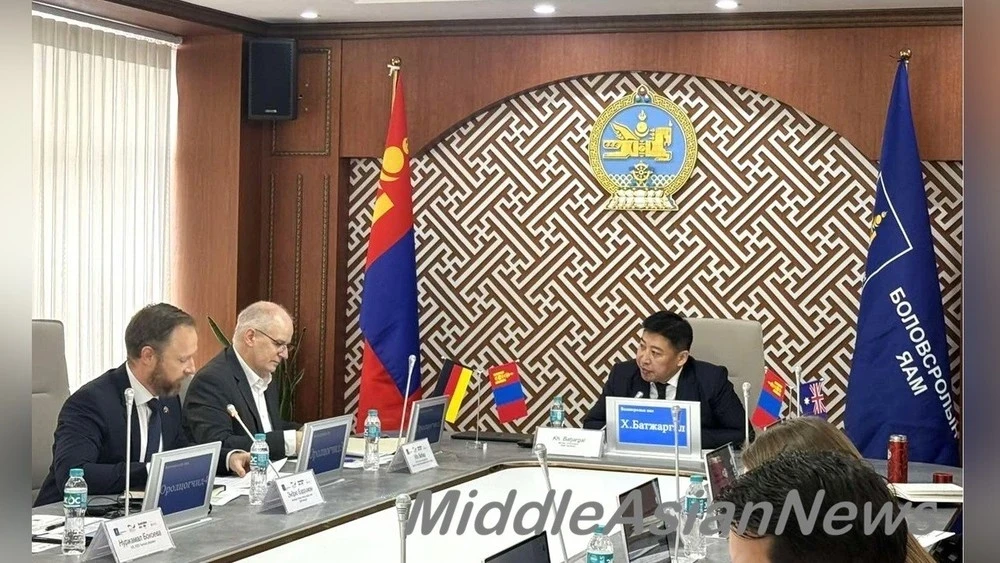
The Chairman of the Steering Committee and State Secretary of the Ministry of Education, Batjargal Khandzhav, emphasized the need to include specific measures in the action plan for the first half of 2026 aimed at supporting the reform of the financing system for vocational education and the structure of variable costs, as well as activating cooperation with stakeholders.
He also noted the importance of establishing a unit to support dual training within the National Chamber of Commerce and Industry of Mongolia and stressed the need to increase business participation and strengthen ties between educational institutions and employers.
Since 1991, Deutsche Gesellschaft für Internationale Zusammenarbeit (GIZ) GmbH has been actively working in Mongolia and has had its office in Ulaanbaatar since 1998.