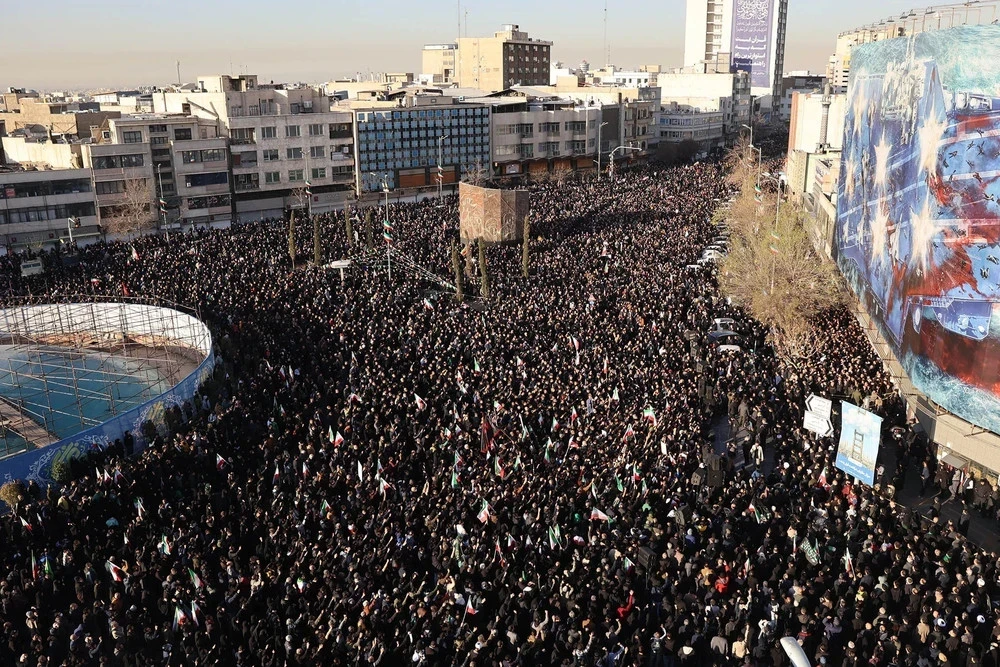
On March 1, people gathered in Tehran to honor the memory of Ayatollah Ali Khamenei.
Global oil prices have significantly increased amid recent attacks by the U.S. and Israel on Iranian facilities, which prompted retaliatory measures from Iran and heightened concerns regarding supply stability. According to information from Reuters, the price of Brent crude oil rose by about 7%, reaching over $82 per barrel, while U.S. WTI climbed to $75. According to Bloomberg, the rise in oil prices is also attributed to geopolitical risks and threats of supply restrictions from the Persian Gulf, through which about 20% of the world's oil flows. Analysts warn that if the conflict escalates further, prices may continue to rise.
The main reasons for the price increase include the risk of blocking the Strait of Hormuz, attacks on tankers, and potential reductions in oil exports from this region.
The Strait of Hormuz is one of the key energy hubs on the planet, through which a significant portion of global oil and gas supplies passes daily. Any threats to its operation traditionally lead to sharp price fluctuations in the markets.
In addition to the rise in oil prices, there has been an increase in gold prices over the past day, traditionally considered a safe-haven asset in times of geopolitical instability. As reported by Reuters, the spot price of gold has risen by 1-2%, reaching around $5,350 per ounce, which is the highest value in the past month. This increase is linked to heightened investor interest in safe assets amid escalating conflicts in the Middle East.