
As part of this agreement, a significant increase in the supply of meat, hides, wool, cashmere, and textiles is expected, which will allow access to a large market with a population of 180 million people. This will give an impetus to the development of animal husbandry, crop production, and the light industry, as well as contribute to the diversification of exports into non-mining sectors.
The Ministry of Economy and Development is also actively working on creating a roadmap that will outline steps aimed at successful cooperation with the EAEU member states. This will enable the effective implementation of the agreement and maximize its benefits. Important measures include harmonizing quarantine requirements, protecting animal and plant health, and recognizing laboratory research results, which will simplify export processes.
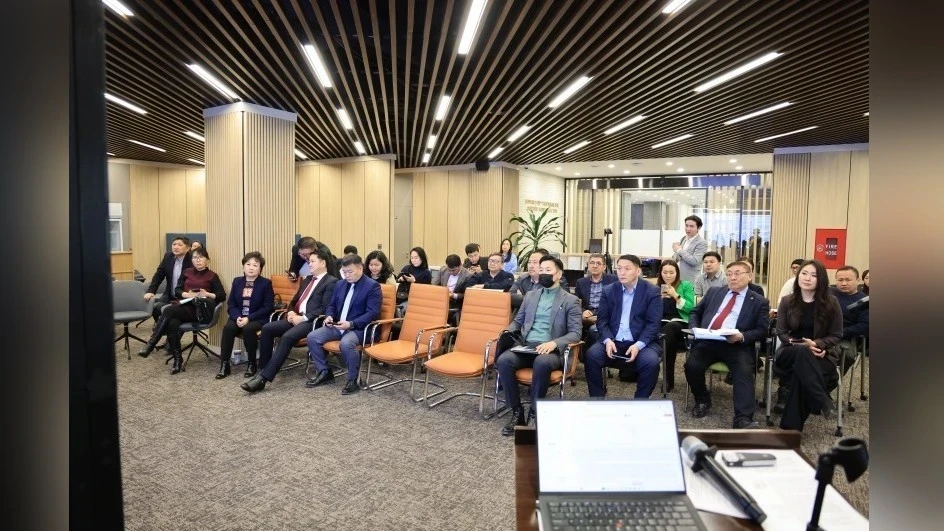
To support the implementation of the temporary agreement, the Ministry of Economy and Development held an informational and consultative meeting that involved representatives from the meat processing industry. During the meeting, State Secretary Batkhüü Idésh, Executive Director of the Mongolian Meat Producers Association Batsuur Nantsag, and participating exporters discussed the current state of affairs, challenges, and prospects in the industry.
Representatives from the Ministry of Food, Agriculture, and Light Industry, the Main Customs Administration, the Main Veterinary Service Administration, the Agency for Standardization and Metrology, as well as representatives from exporting companies also participated in the discussion. The main topic of the meeting was to discuss opportunities and key aspects of exporting meat products to the EAEU market.
At the moment, the agreement has been ratified by three of the five EAEU member countries: the Russian Federation, the Republic of Belarus, and the Republic of Kazakhstan. Kyrgyzstan and the Republic of Armenia have already submitted it for consideration in their parliaments.


