
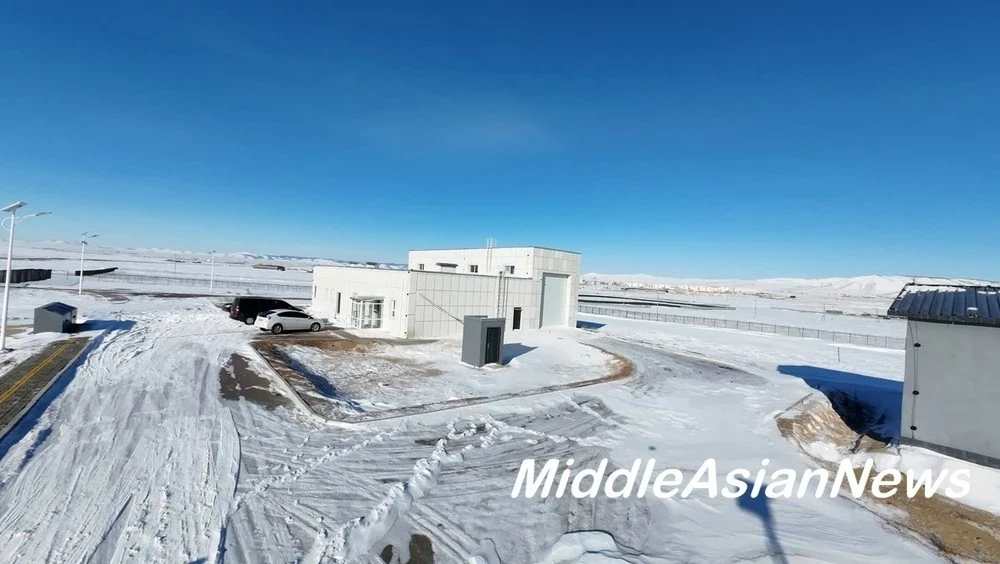
The construction of a modern complex for veterinary inspection, quarantine, and disinfection has been completed in the fifth khoroo of Nalaikh, located in Ulaanbaatar. It is now ready for operation, as reported by MiddleAsianNews.
The main task of the new facility is to prevent the spread of infections that can be transmitted to both humans and animals, which is an important step in protecting public health and food safety in the capital.
Considering that Ulaanbaatar is actively expanding and maintaining close ties with rural areas, the movement of livestock and animal products into the city is becoming commonplace. Authorities noted that without proper control and sanitation, such movements could increase the risk of infection spread. The new complex is expected to become a key link in the protection system at the main entry points of the capital.
The building is a single-story structure with an area of 480.31 square meters, measuring 18.8 by 24 meters. It is designed without a basement and meets modern veterinary control standards, ensuring operational efficiency and compliance with hygiene regulations. The layout of the building optimizes inspection procedures in accordance with strict sanitary requirements.
The complex includes a checkpoint for inspection and monitoring, a storage facility, a wellhouse, animal pens, and a covered area for livestock. It also features water supply systems, disinfection sewage, reliable energy sources, and a well-maintained area for safe operations. All these elements create a comprehensive system for quarantine checks, disinfection of vehicles, and temporary housing for livestock.
The construction work was carried out by Sutai Mandakh LLC, and technical supervision was conducted by the Investment Department of the capital to ensure compliance with all engineering norms and safety standards.
The city authorities emphasize that the launch of this facility is a significant step towards enhancing biosecurity in Ulaanbaatar. The established capabilities for early detection and sanitation will help reduce the risk of disease transmission, protect livestock health, and improve the overall well-being of the urban community.


