
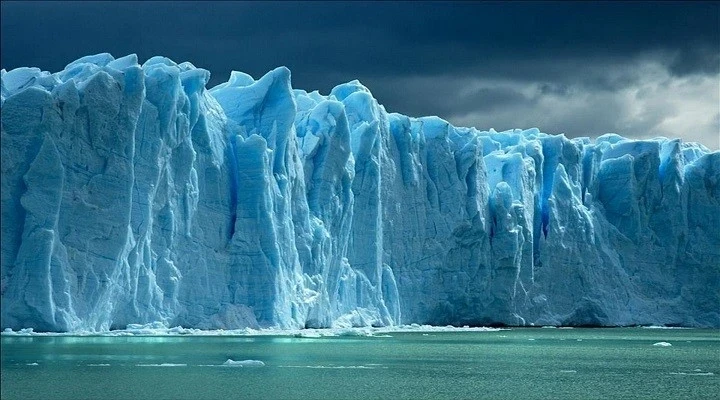
A study has shown that the reason for such rapid deterioration is the flat rocky base on which the glacier is located. During the melting process, the ice lost its connection with the bottom and rose to the ocean surface. This led to a strong impact from ocean forces on the detached ice sections: cracks that formed at the base connected with surface cracks, initiating a chain reaction that resulted in the breaking off of huge icebergs. Seismic sensors recorded tremors confirming the detachment of ice from the rocky base. Analyzing data from various satellites allowed for a detailed reconstruction of events, showing that the glacier lost up to two and a half kilometers in just 48 hours on some days.
Although the area of the Hector Glacier is relatively small — about 300 square kilometers, comparable to the size of Philadelphia — scientists are concerned about the possibility of similar processes occurring under other, significantly larger glaciers in Antarctica that have similar flat bases. If such scenarios were to happen, the consequences for sea level on a global scale could be much more serious than previously thought.


