
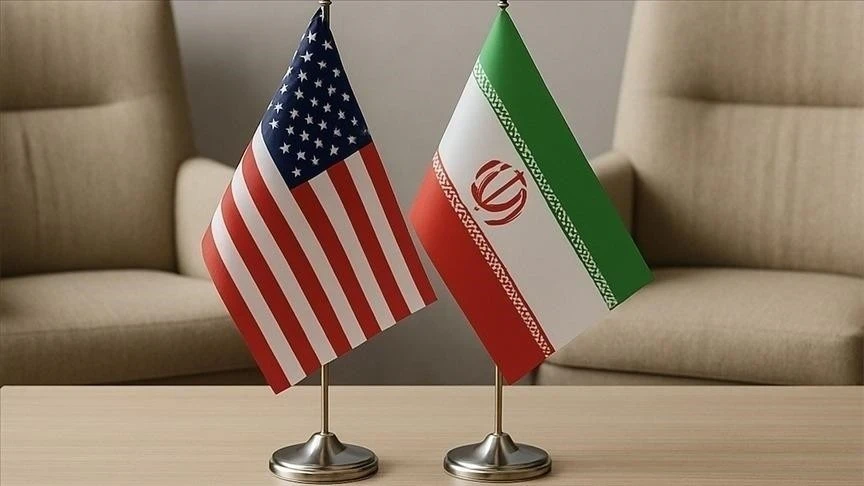
The negotiations took place on February 26, involving representatives from the USA, including Steve Witkoff and Jared Kushner, delegated by Donald Trump, as well as Iran's Foreign Minister Abbas Araghchi. The meeting lasted several hours, including morning and evening sessions.
According to Axios, after the first part of the meeting, the American delegates expressed disappointment; however, by the evening, a senior US official noted that the discussions were "positive," without revealing details.
During the morning session, the Iranian side presented its version of the nuclear deal. As reported by one senior Iranian official in an interview with Al Jazeera, Tehran is ready to temporarily freeze uranium enrichment; however, a complete halt to enrichment, dismantling of nuclear facilities, or transfer of uranium stocks is not planned. The proposal includes reducing uranium stocks to a minimum level of enrichment under the control of the IAEA.
According to a CNN source, Iran stated its intention not to develop nuclear weapons, but emphasizes that any agreement will only be possible with the lifting of all US sanctions and UN Security Council resolutions. It was also noted that no nuclear facility will be destroyed, and Iran will continue to develop peaceful nuclear energy.
The mediator in the negotiations, Oman's Foreign Minister Badr al-Busaidi, noted that the delegations achieved "significant progress." He added that subsequent discussions would continue after consultations in Washington and Tehran.
According to Abbas Araghchi, Iran's Foreign Minister, these were "the most serious and prolonged negotiations" of all that have taken place previously.
The negotiations between the USA and Iran are occurring against the backdrop of deteriorating relations between the two powers. The Trump administration believes that these discussions could be the last chance for a diplomatic resolution of the conflict before the president makes a decision on a possible military intervention against Iran, Axios reports.


