
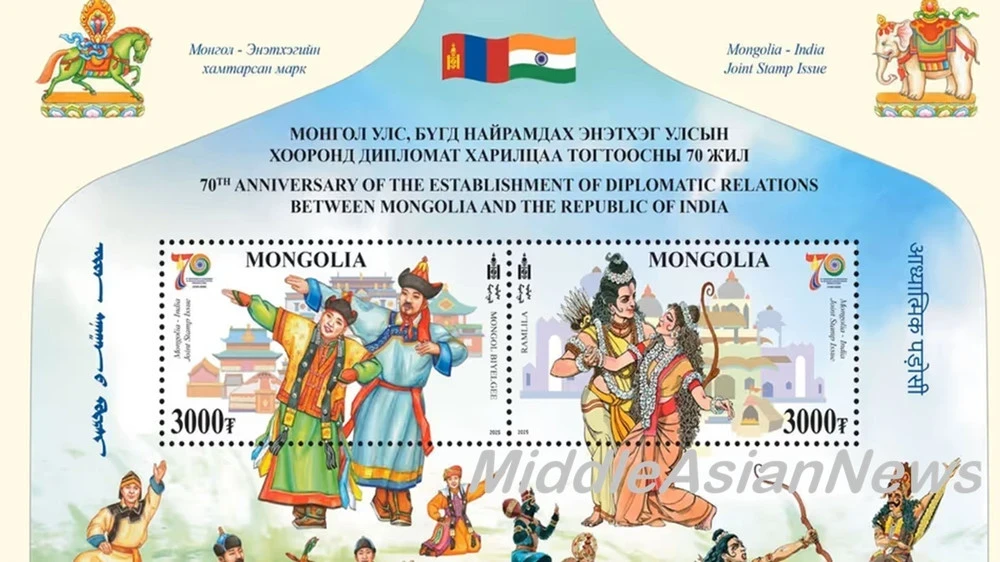
At the opening ceremony, India's Minister of Culture Gajendra Singh Shekhawat stated that the conference reflects the shared spiritual and cultural traditions of India and Mongolia.
The exhibition will be open to visitors until February 25, officials reported.
The second part of the two-day event took place at the Indira Gandhi National Centre for the Arts (IGNCA), dedicated to this anniversary.
Shekhawat noted that cultural exchanges between India and Mongolia encompass not only religion but also areas such as astronomy, medicine, literature, and philosophy.
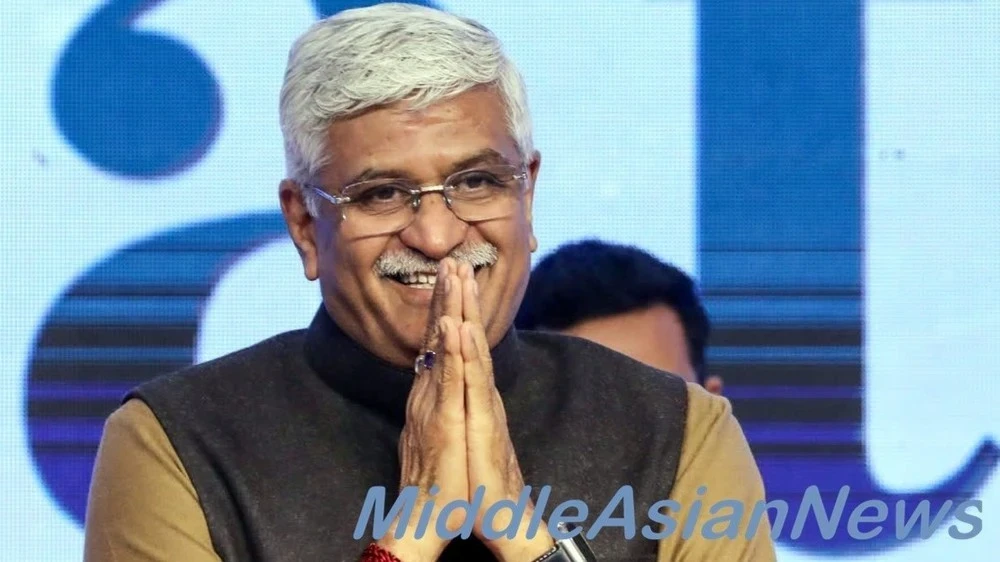
India's Minister of Culture Gajendra Singh Shekhawat
The Minister also emphasized the importance of the Mongolian Ganjur, a canonical Buddhist text in 108 volumes, which holds great significance in Mongolia.
The Ganjur, which translates from Mongolian as "Brief Instructions," is considered a revered text for Buddhists in Mongolia, who read it as a sacred ritual.
According to the Minister of Culture, the Ganjur is a significant testament to linguistic and philosophical science, and its preservation and digitization will contribute to cultural dialogue.
Ganbold Dambajav, the Ambassador of Mongolia to India, characterized India as Mongolia's spiritual neighbor and an important regional partner.
He also noted that Buddhism is a common value for both countries and emphasized the need to preserve and translate classical Buddhist texts.
The conference provided researchers with a platform to discuss the historical, cultural, and spiritual ties between India and Mongolia, including archaeological findings and literary traditions, as well as Sanskrit manuscripts and artistic exchanges.
The two-day event featured scholars from India, Mongolia, France, and the USA, who presented 75 scientific papers.


