
On February 5, a meeting took place in Canberra between the heads of the foreign ministries of Germany and Australia, where Johann Wadephul, the German Foreign Minister, announced the intention of both countries to deepen cooperation in the supply of critically important resources, including lithium. This was reported by DW.
According to Wadephul, Australia has significant reserves of strategic raw materials, and Germany is interested in further developing the partnership, especially in the field of critically important minerals.
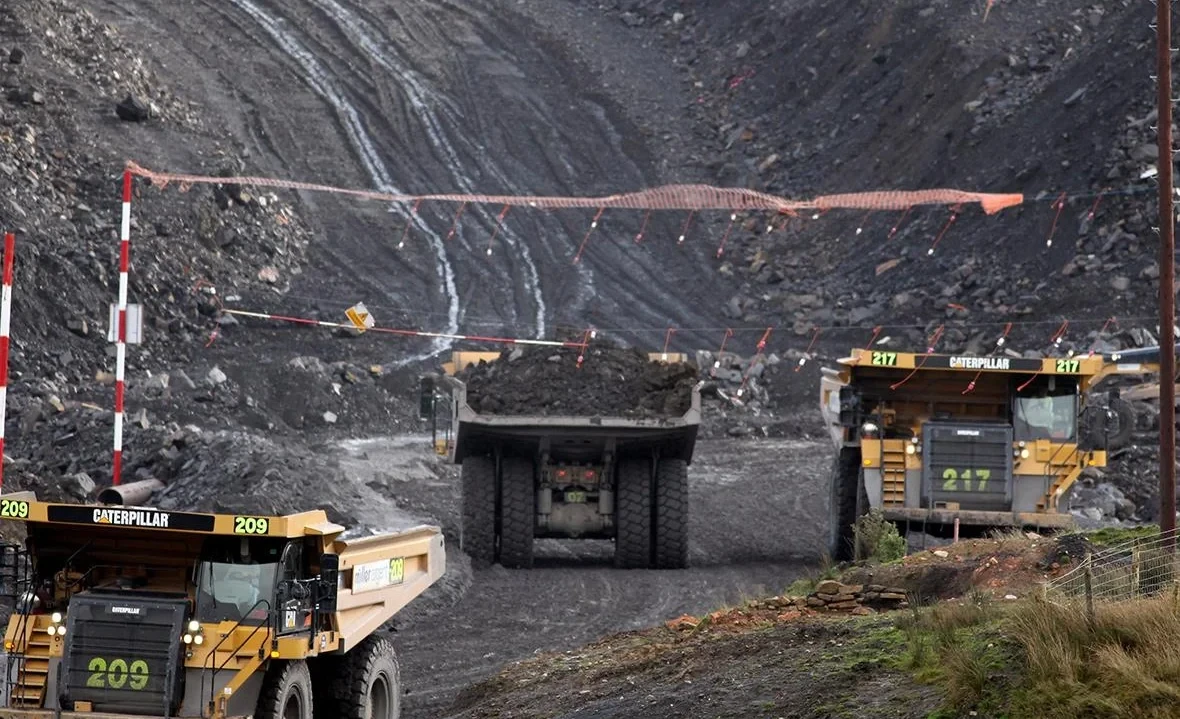
The largest lithium mine in the world is located in Greenbushes, Western Australia. Lithium, known as "white gold," plays a key role in the production of batteries for electric vehicles, smartphones, and other modern devices, with this mine accounting for about 20% of global production.
In addition, Australia is home to large reserves of rare earth metals such as neodymium and terbium, which are necessary for creating powerful magnets.
Wadephul emphasized that serious investments will be required to develop these resources, and Germany has a great need for such supplies. He also noted that it is important to conclude a free trade agreement between the European Union and Australia as soon as possible. It is worth recalling that negotiations on this issue in 2023 ended without results due to disagreements in the agricultural sector, but both sides hope to resume dialogue.
At the same time, the United States announced the signing of eleven new bilateral agreements and memoranda with various countries, including Argentina, the Cook Islands, Ecuador, Guinea, Morocco, Paraguay, Peru, the Philippines, the UAE, and Uzbekistan, in the field of critical mineral extraction.


