
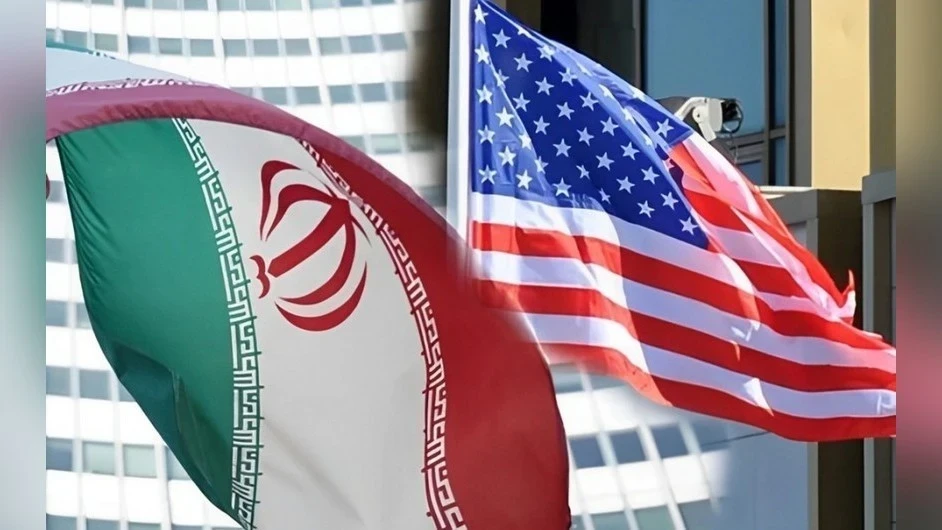
Illustrative photo
The negotiations were canceled after Iran proposed to move the meeting from Istanbul to Oman, focusing exclusively on issues related to the Iranian nuclear program, without discussing other topics such as ballistic missiles. American officials rejected this proposal on February 4.
“We told them that if there is no agreement on our terms, then the meeting will not take place. The response was: ‘Okay, then nothing,’” said one senior American official. He also noted that if Iran returns to the original format, the US is ready to hold the meeting this week or next.
According to the official, “we are striving for a quick achievement of a real agreement, otherwise people will have other options,” implying President Trump's threats of possible military action, as reported by Axios.
Iranian Foreign Minister Abbas Araghchi stated on February 4 that “negotiations with the US on the nuclear program” are scheduled for the morning of February 6 in Muscat, Oman. He expressed gratitude to Oman for preparing the necessary conditions for the meeting.
President Trump, considering the possibility of a military strike against Iran, announced at the end of January the start of negotiations between Tehran and Washington. He noted that his decision regarding Iran would depend on the results of these negotiations.
US Secretary of State Marco Rubio noted on February 4 that the negotiations should address both Iran's nuclear and missile programs, Tehran's support for terrorist groups in the Middle East, as well as the human rights situation in the country. In response, Iran stated its readiness to discuss only nuclear issues.
In an interview with NBC News, the full version of which will be published on February 5, Trump stated that Iran's Supreme Leader Ayatollah Ali Khamenei “must be very concerned.”


