
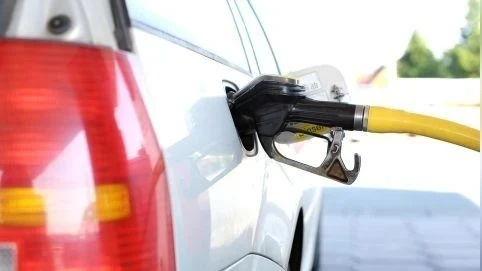
Since the beginning of February, wholesale fuel prices have been decreasing, amounting to more than 1.5%. This has been made possible by the government's decision to extend the partial ban on the export of petroleum products. Analysts note that this measure helps retain additional volumes of fuel within the country and reduces the risk of shortages during periods of increased demand, which previously led to sharp price increases.
Forecasts regarding gasoline prices for the entire year of 2026 vary. Arthur Leer, Vice President of the Association of Exporters and Importers, believes that a significant price spike is not to be expected, suggesting a gradual increase within the bounds of inflation, which authorities predict will be around 4%.
On the other hand, more cautious forecasts are voiced by Alexey Ivanov, owner of the "Alliance Trax" dealership network. He believes that price increases could reach about 8% by the end of the year. Ivanov emphasizes that the market has already reacted to the increase in VAT and excise taxes: at the beginning of the year, fuel prices rose by 1.3%. Additionally, he points to risks associated with potential disruptions in the operation of oil refineries during the spring-summer period and fluctuations in exchange rates. If the refineries operate steadily and export restrictions remain in place until mid-year, sharp price spikes can be avoided. However, by the end of 2026, the price of AI-92 gasoline may reach 66–68 rubles per liter, while AI-95 may cost 71–73 rubles.
Igor Yushkov, an expert from the Financial University and the National Energy Security Fund, also warns that it will be challenging to contain price growth within the limits of inflation. In his opinion, the external political situation will have a significant impact on the situation. If the pressure from sanctions eases, it may reduce the costs for oil companies and help contain price increases in the domestic market.


