Aspects of the Document Discussion
Since January 19, representatives of states, international organizations, and civil society have been participating in the meetings of the preparatory committee, which lays the groundwork for future official negotiations. Among the issues being discussed are the definition of the term "crime against humanity", state responsibility for prevention and punishment, victims' rights, as well as mechanisms to facilitate the fulfillment of these obligations at both national and international levels.Historical and Contemporary Challenges
Turk noted that the new convention should take into account the evolution of international law and include contemporary types of crimes. He also expressed support for the inclusion of the concept of "gender apartheid" in the document and urged states to seriously consider this and other proposals.According to him, "delegates must develop a convention capable of addressing future challenges. It should take into account cases of deep historical injustice that continue to impact the modern world, as well as respond to current threats."
Involvement of Victims in the Process
Turk emphasized the importance of an inclusive approach that considers the views of various civil society groups and experts. He called for ensuring the participation of victims in the subsequent stages of negotiations so that the future convention meets their expectations.Additionally, the High Commissioner recommended that delegates think about mechanisms for implementing the future treaty, including the possibility of creating a specialized body.
"The convention must not remain just on paper. It should inspire states to practically apply its norms," he noted.Turk confirmed his office's readiness to actively support the process and provide expert consultations to states.
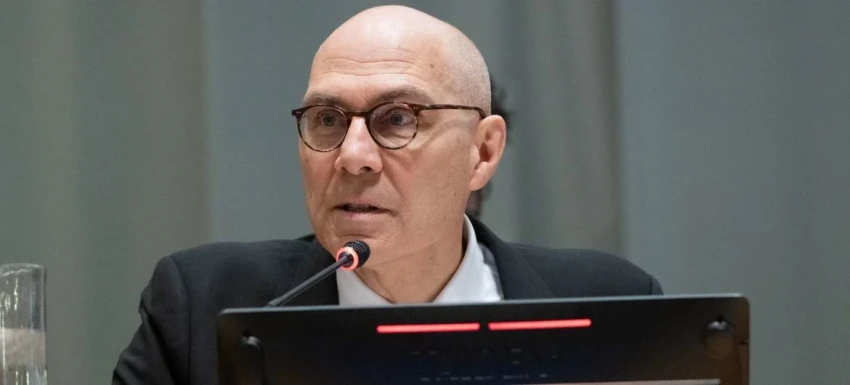
Photo on the main page: UN.