
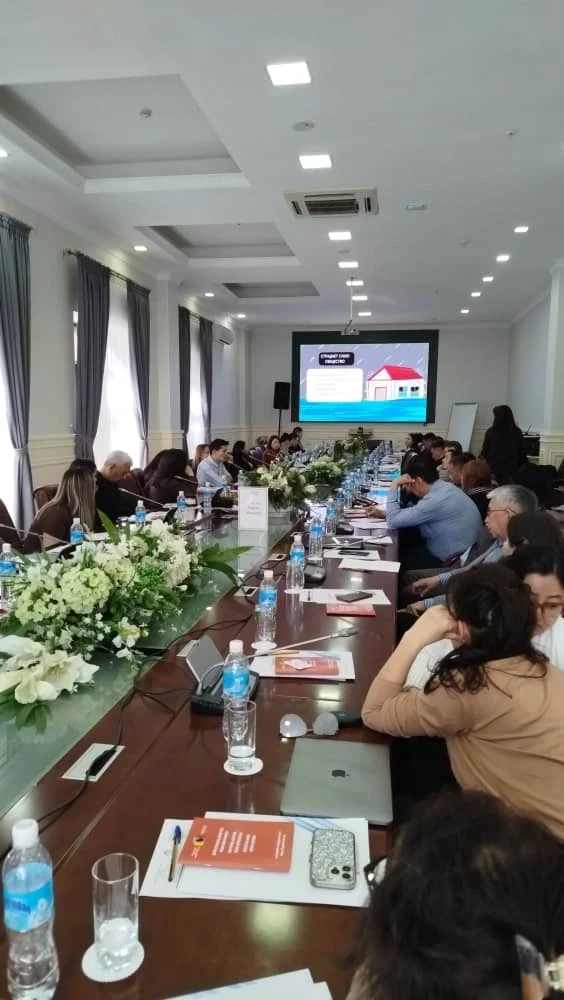
The deputy emphasized the importance of professional journalism in the context of changes in the media landscape
At the Media Talk “Rethinking the Role of Media in Kyrgyzstan,” held on March 27 in Bishkek, Elvira Surabaldiyeva, a deputy of the Jogorku Kenesh, noted that media is a key factor in building trust and dialogue between citizens and the state. The event was organized by the Media Action Platform of Kyrgyzstan as part of the CARAVAN project, with financial support from the European Union.
Surabaldiyeva emphasized that in modern times, the media sector goes beyond simply disseminating news.
She pointed out that the media landscape in Kyrgyzstan is undergoing profound changes related to the transformation of technologies, work formats, and funding sources, as well as updates to legislation, including the adoption of a new media law.
Speaking about global trends, the deputy highlighted the increasing importance of professional journalism.
“Professional journalists are capable of conveying information accurately and meaningfully, remaining a reliable source of trust for society,” she noted.
Additionally, Surabaldiyeva stressed that not only the law itself is important, but also its practical application.
“The implementation of legislation must take into account the interests of both society and the professional media community,” she added.
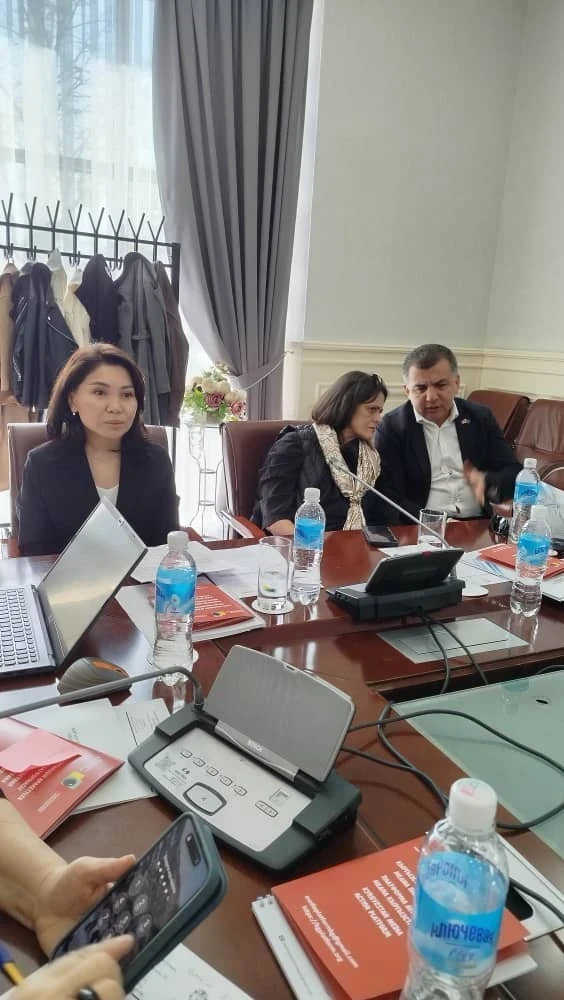
Continuing the theme of trust, the deputy noted that journalism performs a unifying function. She stated that media serves as a channel for interaction between the state, business, and citizens, including migrants, who particularly need access to reliable information.
In a broader aspect, the media landscape becomes part of the national security system. This entails the need to combat misinformation, ensure public stability, and adhere to international standards of freedom of speech.
Thus, according to Surabaldiyeva, the development of the media sector should be balanced, considering both security issues and the need to maintain independent and professional journalism.
Among the key areas, she highlighted the development of regional media, support for quality journalism, including investigative journalism, and ensuring the sustainability of media organizations.
“It is extremely important that all decisions are made based on dialogue, professional expertise, and mutual respect,” she concluded.
Photo www


