
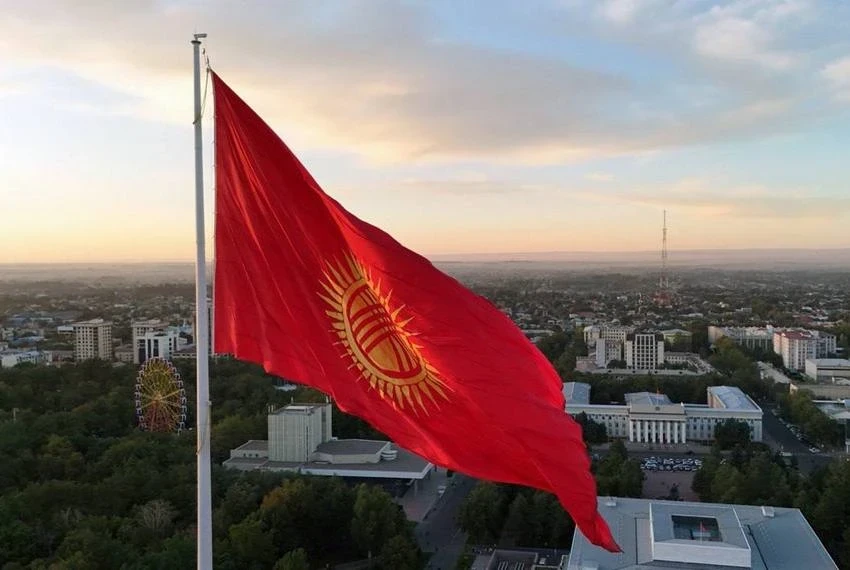
Photo of the Cabinet of Ministers of the Kyrgyz Republic
Today, when the flag with the updated design featuring straight rays of the sun has existed for more than two years, it is worth recalling its history — from the first competitions to the latest law on the "sunflower".
Searching for Symbols After Gaining Independence
Since the proclamation of independence on August 31, 1991, the Kyrgyz leadership faced the task of creating new state symbols, including an anthem, a coat of arms, and a flag. In the summer of 1991, the presidium of the Supreme Council announced a competition for the best options for symbols and formed a commission to select them.
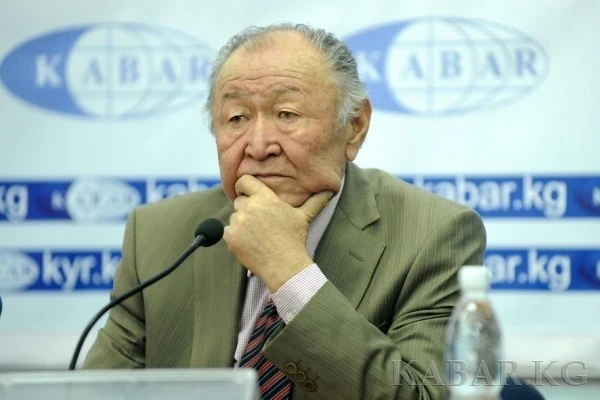
The commission was headed by writer Kazat Akmatov. Artists and designers were invited to present their ideas. As a result, more than a thousand sketches of the flag were submitted for the competition — from traditional red and blue options to sketches with Islamic and Turkic symbolism.
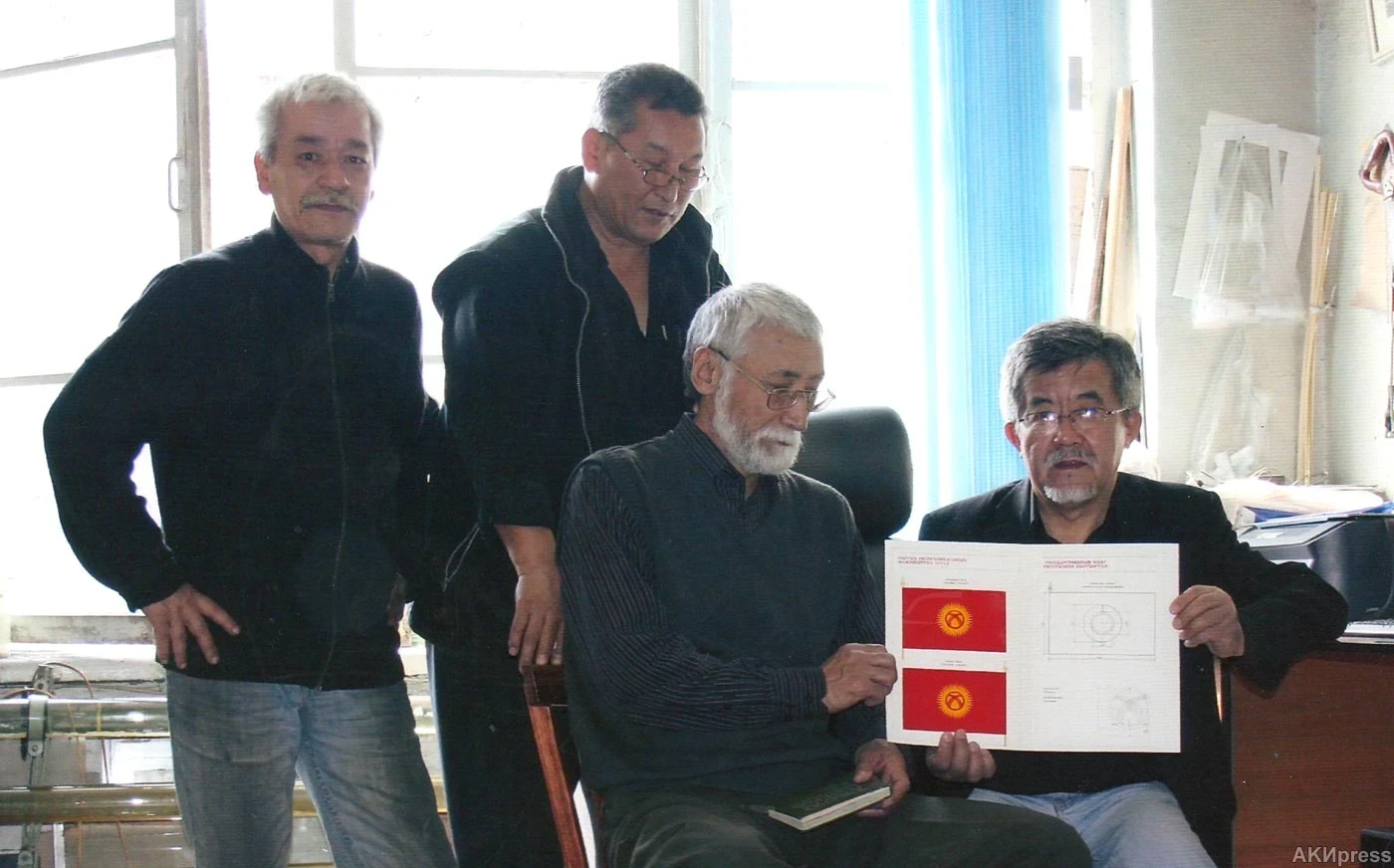
Among the authors whose works became the basis for the current flag were artists Edil Aydarbekov, Bekbosun Zhaichibekov, Sabyr Iptarov, Jusup Mataev, and Mamatbek Sydykov. Each of them was paid a sum of 5,000 rubles of that time.
The Blue Variant and the Discussion of Colors
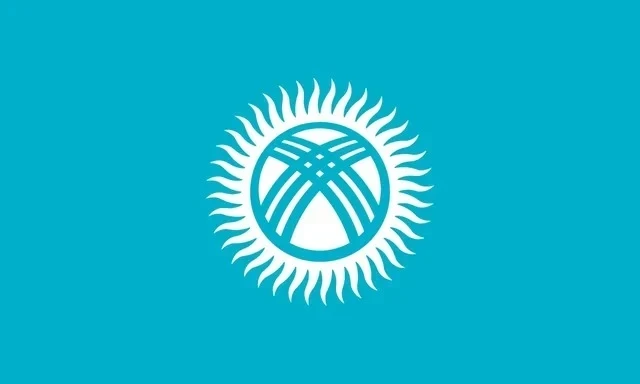
One of the first proposed options from artists Bekbosun Zhaichibekov and Sabyr Iptarov was a blue flag with a white "flat" tunduk in the center and six white stars arranged around it — five in a circle and one on top.
The blue color symbolized the sky and Turkic traditions; however, heated debates arose within the commission:
- should the flag maintain a connection to the Soviet past or break away from it;
- which color should be considered national — blue, green, or red;
- how to combine the ethnic symbolism of the Kyrgyz with the concept of a multinational state.
Ultimately, the concept of "kyzyl asaba" — the red banner under which, according to the epic "Manas," the hero led his army — was chosen. The red color became a symbol of courage and valor, while the sun and tunduk represented home and life.
The Evening of Voting and the Night Sewing of the Flag
As artist Sultan Makashov recalls, on March 3, 1992, the deputies voted for the flag sketch late in the evening. That night, the sewing of the first flag began in the workshop.
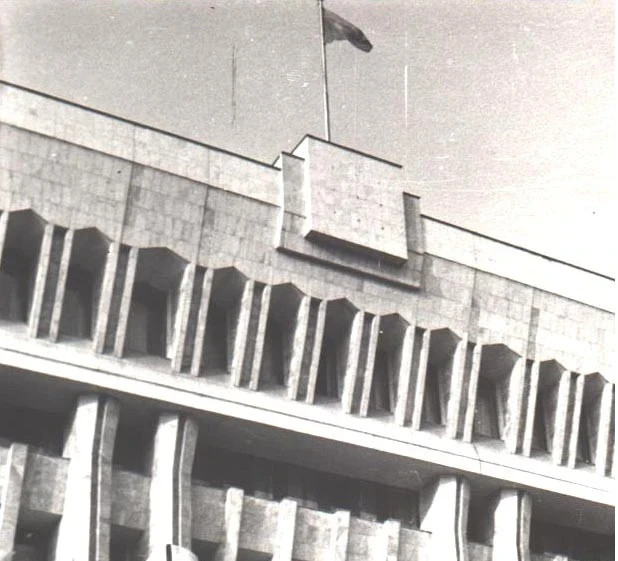
An interesting fact: on March 1, 1992, Kyrgyzstan became a member of the UN, but at that time, the parliament had not yet approved the new flag, so the flag of the Kirghiz SSR was temporarily displayed at the headquarters in New York.
The Symbolism of the Red Color, the Sun, and the Tunduk
According to the law "On the State Symbols of the Kyrgyz Republic," the flag consists of a red field with a golden sun and tunduk in the center.
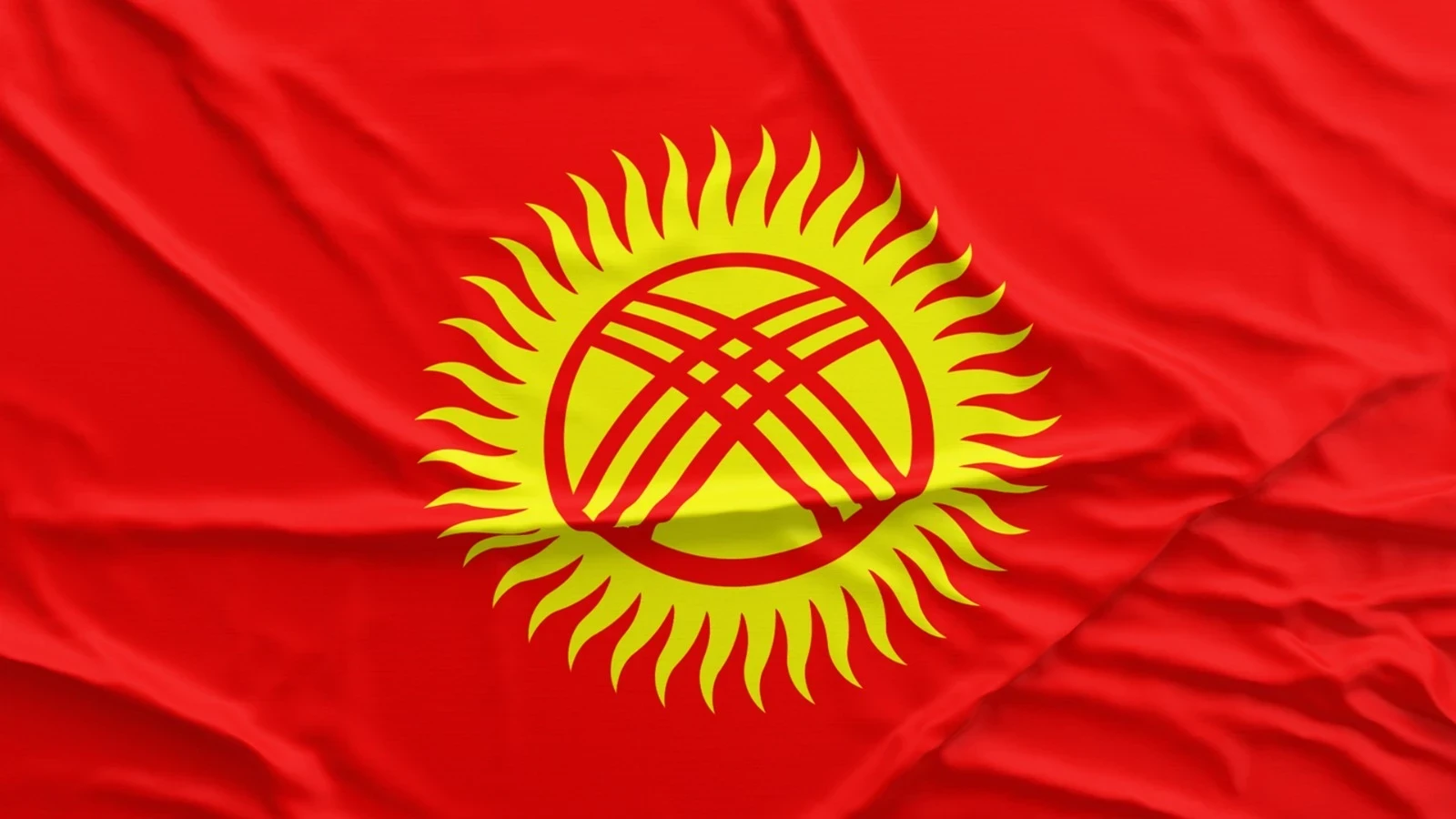
The elements of the symbolism have the following meanings:
- red — valor, courage, and historical memory of the red banner of Manas;
- the sun with forty rays — a symbol of the unity of the forty ancient tribes;
- the tunduk of the yurt — representation of home, the connection between earth and sky, the embodiment of the unity of all the peoples of Kyrgyzstan.
The exact proportions of the sun and tunduk were finally approved only in 2019; before that, there were many different interpretations.
Flag Changes
In 2014, deputy Abdyrahman Mamataliyev proposed a radical change to the flag. The parliamentary commission created collected numerous sketches — from secular to religious. However, the idea was not implemented, as society and politics were not ready for such drastic changes.
By the end of the 2010s, the metaphor of the "sunflower" emerged: critics claimed that the wavy rays of the sun made the flag look like a flower. In 2023, the parliament did pass a law to amend the state symbols.
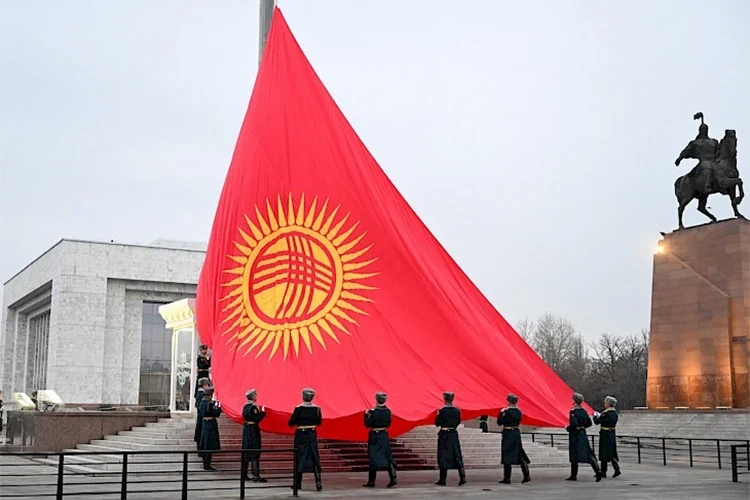
Key changes included:
- straight rays of the sun;
- updated design of the tunduk;
- introduction of a transition period for documents and license plates.
The law was adopted on December 20, and the president signed it on December 22, 2023.
Discussions in society were tense: there were debates about whether the flag would retain its recognizability, whether its image was simplified, and whether a change of symbol was necessary without a referendum. The authorities emphasized that it was about "improving elements," not a radical change of concept.
The Main Flag at Ala-Too Square and Giant Flagpoles
At Ala-Too Square, the main flag of the country is installed: its dimensions are 33×18 meters, and the height of the flagpole reaches 100 meters. The banner is regularly changed and washed.
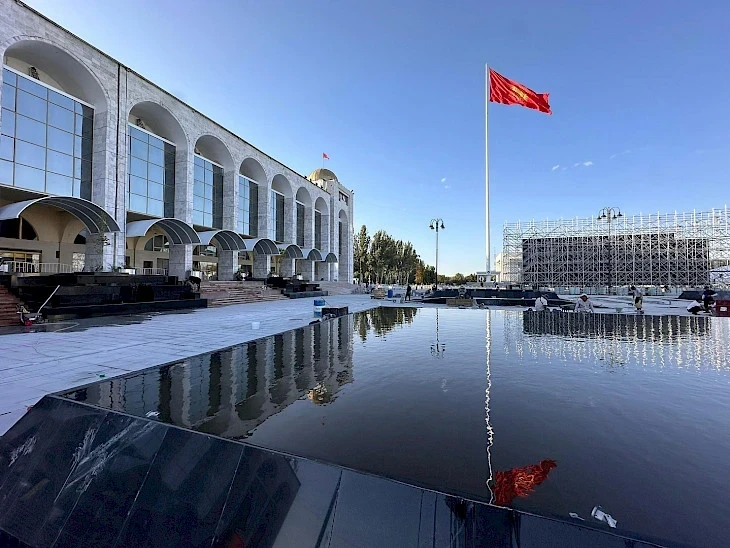
On Mount Boz-Boltok, there is also a flagpole 75 meters high, where a flag of about 150 square meters flutters.
The flag of Kyrgyzstan has also been represented far beyond the country's borders, including Antarctica and oceans during expeditions of Kyrgyz travelers.
The Significance of This Day Today
On March 3, 2026, Flag Day in Kyrgyzstan is celebrated with the updated symbol — with straight rays of the sun. Formally, the changes only affected the graphics, but the debates surrounding the flag continue to indicate that it is an important element of national identity and a subject of political discussions.
The flag continues to be a symbol of:
- independence, won in difficult times;
- unity of the people;
- national self-awareness.
Each time the red banner is raised on the flagpole, the country once again poses the main question: what symbol do we want to represent Kyrgyzstan both inside and outside its borders.


