A Place of Temporary Refuge
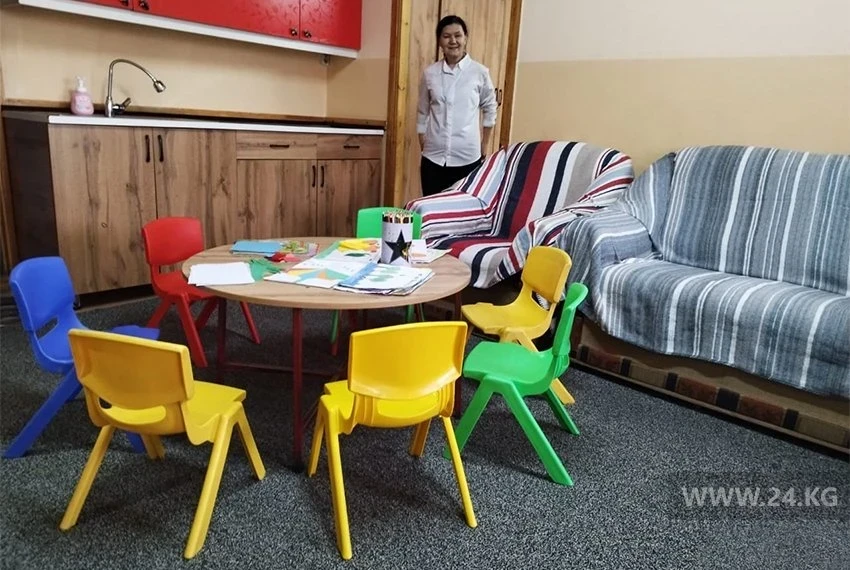
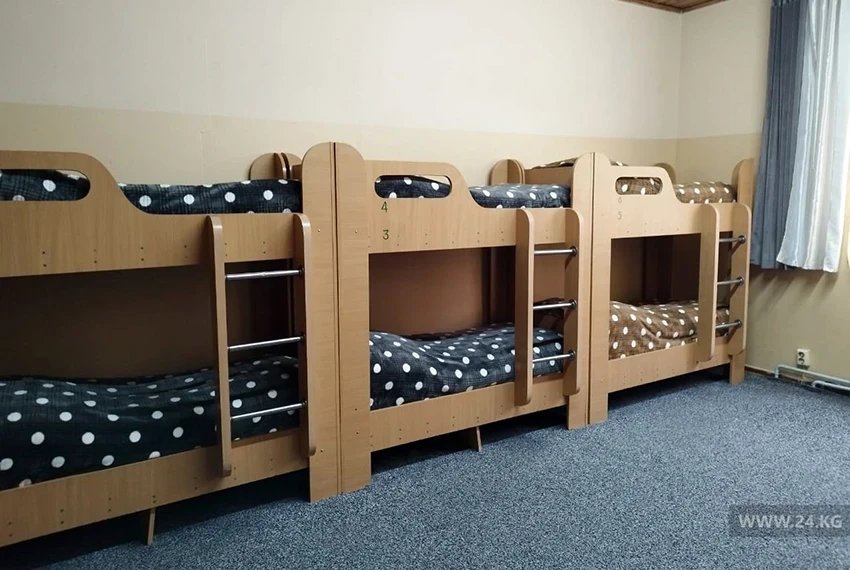
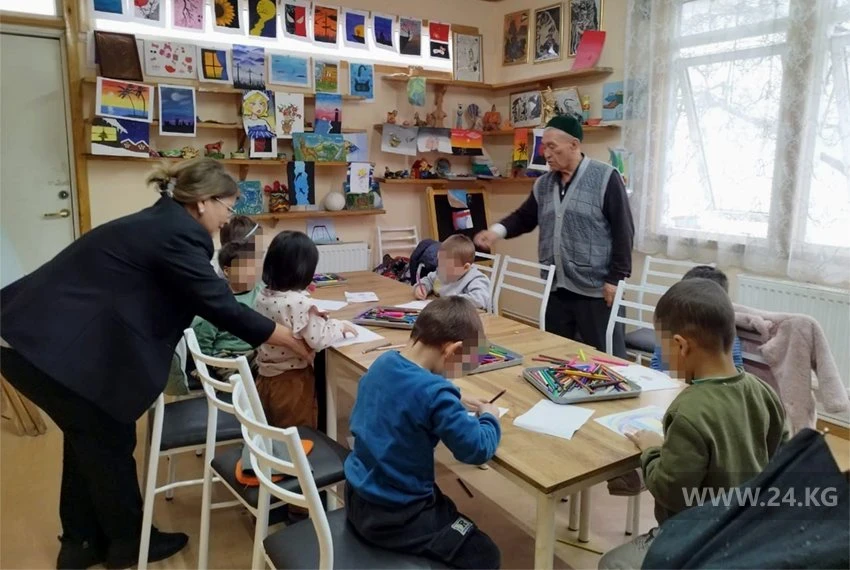
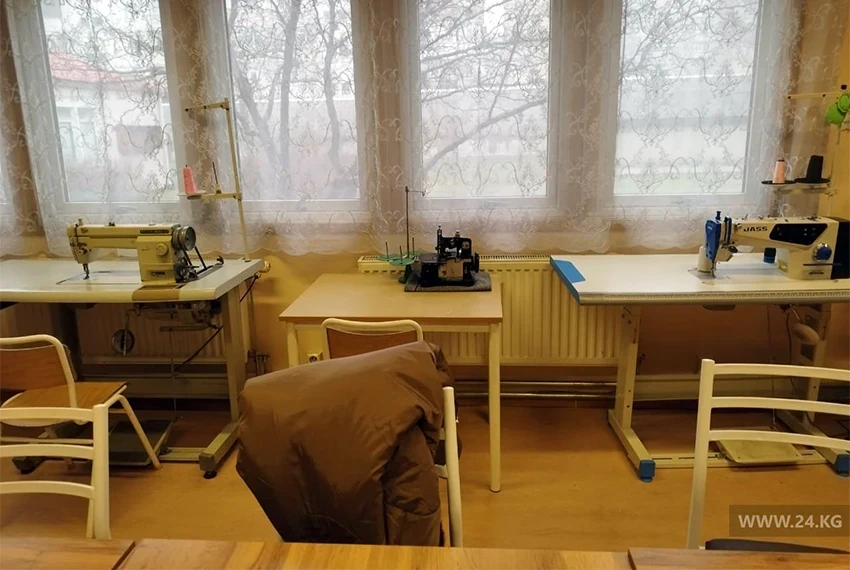
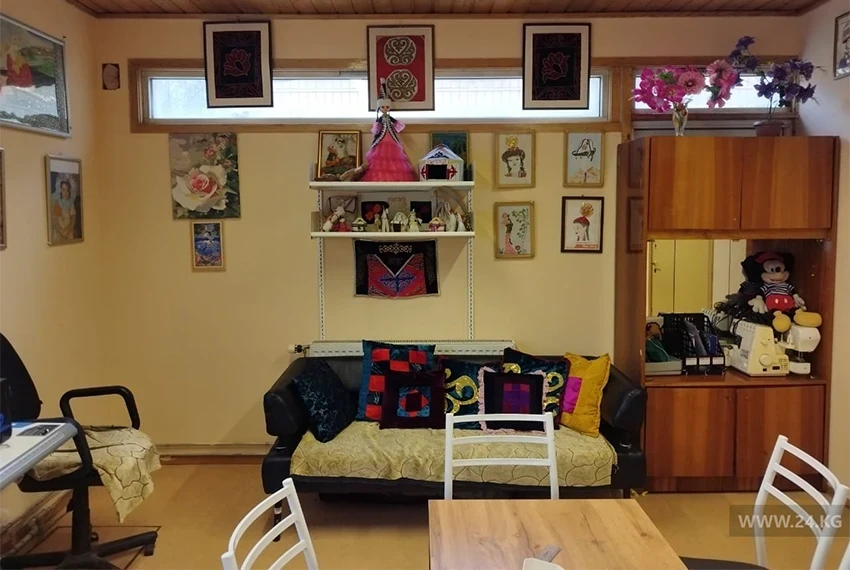
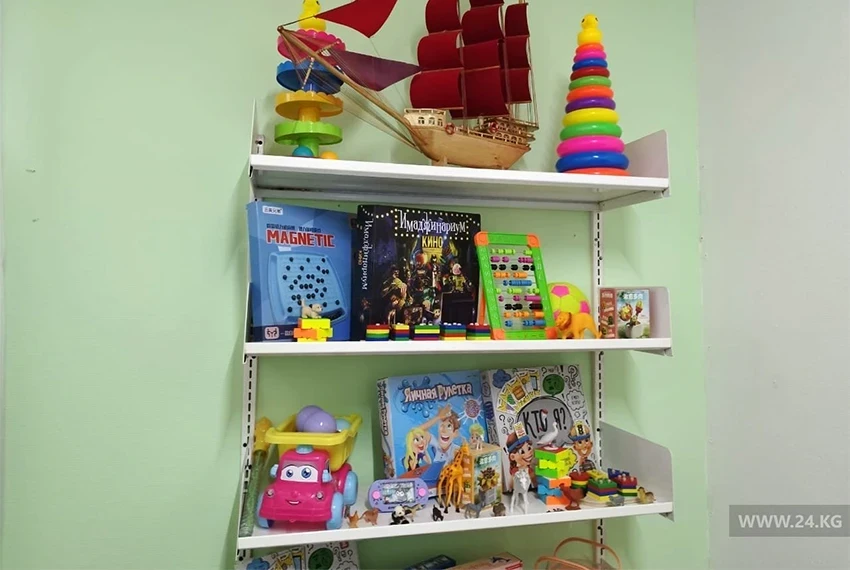
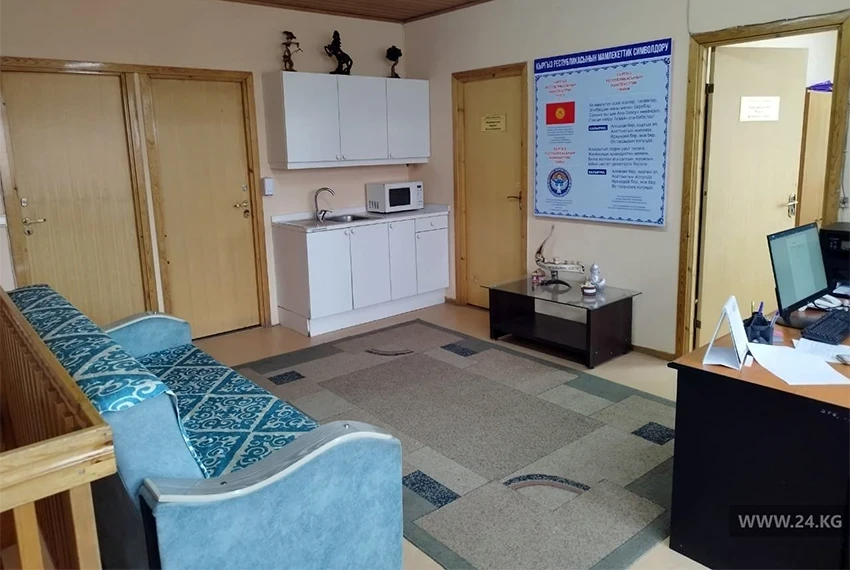
"Akniet" provides shelter for children aged 3 to 18 who need assistance. The facility has several residential houses, a workshop, classrooms, a cafeteria, and administrative offices, as well as a large playground and an orchard.The center provides children with food, clothing, and medical assistance, as well as psychological support. The children at "Akniet" learn to adapt to life, develop necessary skills, and attend the nearby schools No. 72 and 80. They can also participate in various clubs, learning sewing and cooking.
As the center's director, Zhainagul Jumabekova, explained, children are referred to "Akniet" through the Juvenile Inspection and family and child support departments for a period of up to six months. After that, the Children's Commission decides whether the children should return to their families or be placed in a boarding school if their parents have lost parental rights.
Challenges in Work
Educators group children by age in the residential buildings and assign two educators to each house, who alternate shifts every day. This ensures constant supervision of the children.Kenzhegul Chynybayeva, who has been working as an educator at "Akniet" for six years, notes that the initial period of working with children can be challenging. "Many of them don't even know how to hold a spoon or a pen properly, and sometimes they don't know how to use the toilet. We teach them all of this gradually, and it brings joy," she shares.

Teenagers in the center represent a more complex category. As specialists note, many of them are already aware of their rights but forget about their responsibilities. There have been cases where educators have faced physical violence from the teenagers.
Each child at "Akniet" has a difficult fate. Some have no parents, some have lost parental rights, and others have parents who are divorced or abroad. Some parents visit their children at the center, but there are also those who abandon them.
According to Zhainagul Jumabekova, among the students, there are those who study excellently, participate in Olympiads, and enjoy life at the center.
The center employs a psychologist and a social worker, and there are no vacancies. Staff salaries range from 20,000 to 24,000 soms depending on the number of shifts.
Reasons for Children's Escapes
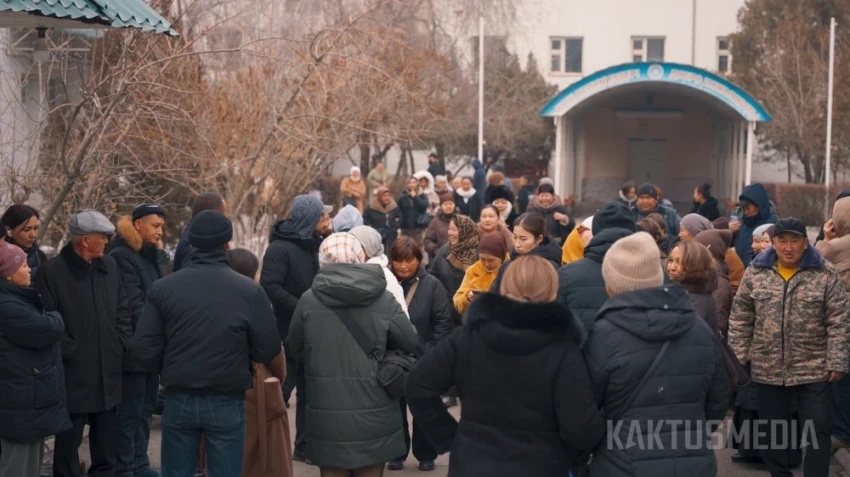
In December 2025, Bishkek city council deputy Kazybek Ergeshov raised the issue of teenagers from "Akniet" regularly running away.“Complaints and video recordings have been received. There is hazing in the center, where older children bully younger ones. Staff sometimes humiliates and is rude to the children. Due to the abuse, the children run away. Furthermore, the institution receives sponsorship funds, but their accounting is not maintained. The situation needs to be brought under control,” the deputy stated.
The vice-mayor, Victoria Mozgacheva, confirmed the existence of the problem, noting that it concerns children who have conflicts with the law.
“Bishkek needs a specialized center for such children. The previous head of 'Akniet' was dismissed for failing to perform their duties properly,” she added.
Following Kazybek Ergeshov's statement, a check was organized by the police, and a commission was created in the capital's social development department.
Information about child abuse, according to the director of the department, Aizada Junusova, has not been confirmed, and no complaints have been received from the children.
“Educators try to establish contact with the children. Conflicts sometimes arise between the children themselves, for example, over trivial matters, and then the educators resolve them,” she noted.
Recently, the capital's police department reported six teenagers who escaped from "Akniet" from January 20 to February 19, 2026.
The center is not a closed institution, and it is easy to leave, especially since children can freely attend school. Nevertheless, the reasons for the escapes raise concerns. Social media is filled with opinions: “They don’t just run away,” “They are probably being mistreated,” “Maybe the children are starving” — such comments appear in discussions.
Zhainagul Jumabekova denied such assumptions in an interview with 24.kg, but acknowledged that the escapes of children are a “global problem for the center.”
“We have good conditions, warmth, five meals a day, clubs... But some children, accustomed to life on the street, sometimes run away, both from our center and from their parental homes. Even if a child is found and returned to the center, they may run away again the next day. Some parents simply abandon their children, unable to support them. The children feel hurt by this. Some of them start smoking, drinking alcohol, and stealing. Parents are partly to blame for this,” she reported.
According to her, each teenager has their own places where they usually go — such as internet cafes or the Eternal Flame at Victory Square. The staff of the juvenile department knows where to look for them. To snack, the escaped children ask passersby for money or steal.
According to experts, children realize that there will be no punishment for escaping, and therefore they take advantage of this. Some return after a few days — the center is always warm and there is food.
“We regularly conduct preventive sessions with the juvenile department, the Ministry of Internal Affairs, and the police department; a psychologist works, especially with difficult children. A card is created for each child upon admission, and their behavior is analyzed monthly. Over six months, the children adapt well, becoming more open and sociable,” emphasizes Zhainagul Jumabekova.
The Need for Salary Increases and Changing Attitudes
Igor Belyaev, director of the public fund "Rights of Orphaned Children," believes that the reasons for the escapes cannot be attributed to just one situation.“These are children from socially vulnerable groups who may lead a vagrant lifestyle, copying their parents' behavior. They are not used to discipline and order,” he noted in a conversation with 24.kg. — “It is also important to consider the attitude of educators and staff, the presence of hazing, etc.”
According to him, in some cases, no matter how much help is provided to a person, they may not want to change.
Nevertheless, Igor believes that almost every child can be approached if treated with kindness and timely assistance is offered.
Read more on the topic: Educators are overloaded, children are running away. A salary increase is requested in social institutions
“The main thing is to work with the children, to be interested in their affairs, to analyze the reasons for the escapes to prevent them in the future,” he concluded.
Nazgul Turdubekova, head of the public fund "League of Child Rights Defenders," asserts that the low salaries of staff in crisis centers and institutions helping children affect their work.
According to her, the salaries of psychologists and social workers are around 15,000 soms, which is considered low given the average salary in the country, which is about 45,000 soms.
Low salaries lead to a shortage of staff and high turnover.
“We are already observing the consequences: an educator is forced to work with dozens of children, staff are overloaded, and this affects the quality of services. The recent case of a mass escape of children from the shelter raises serious concerns. Such situations are directly related to the lack of staff and the inability to provide the necessary level of attention and support. Increasing the salaries of social institution staff is not just a matter of social justice but also the safety of children, the prevention of violence, and the sustainable development of society,” she emphasizes.