
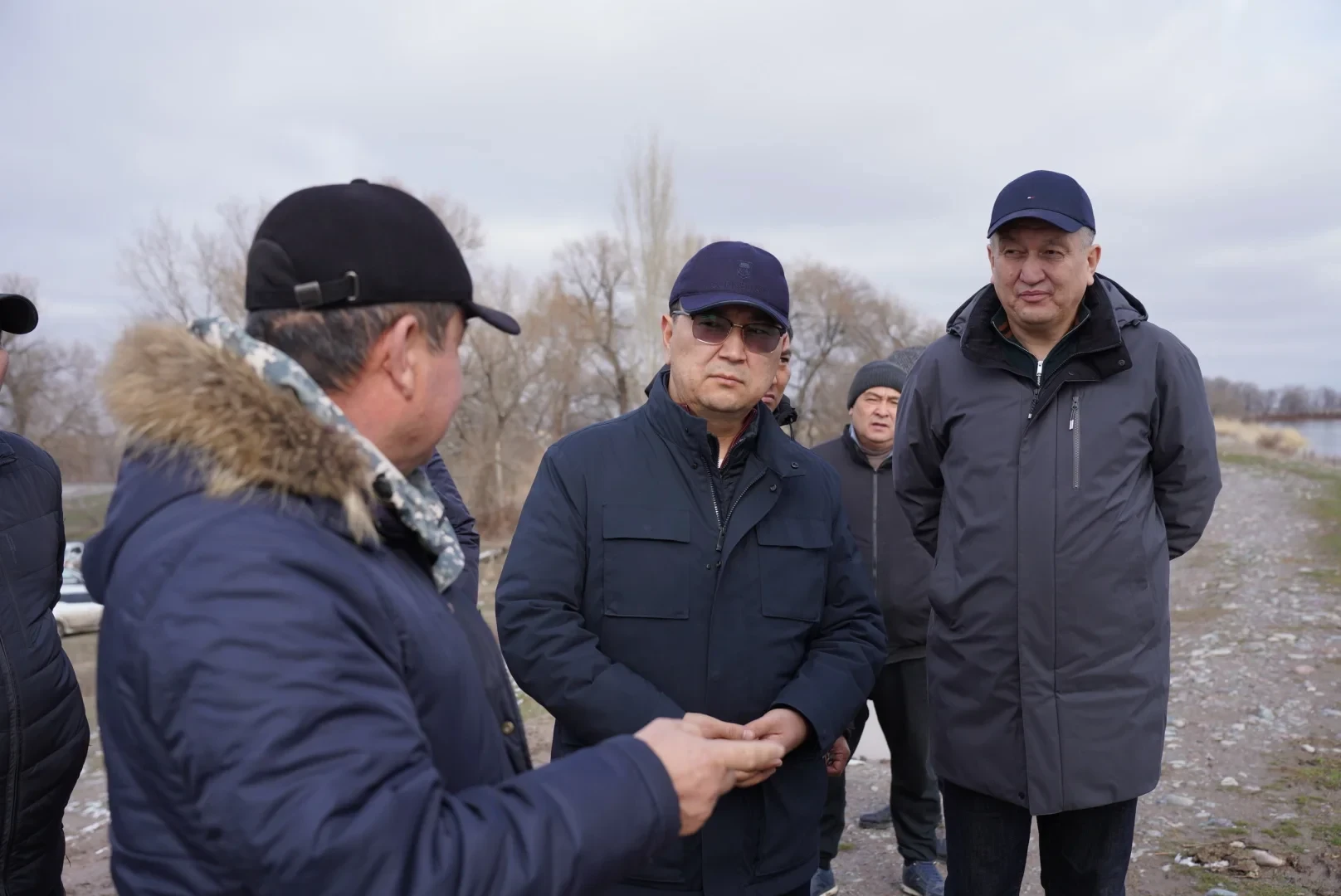

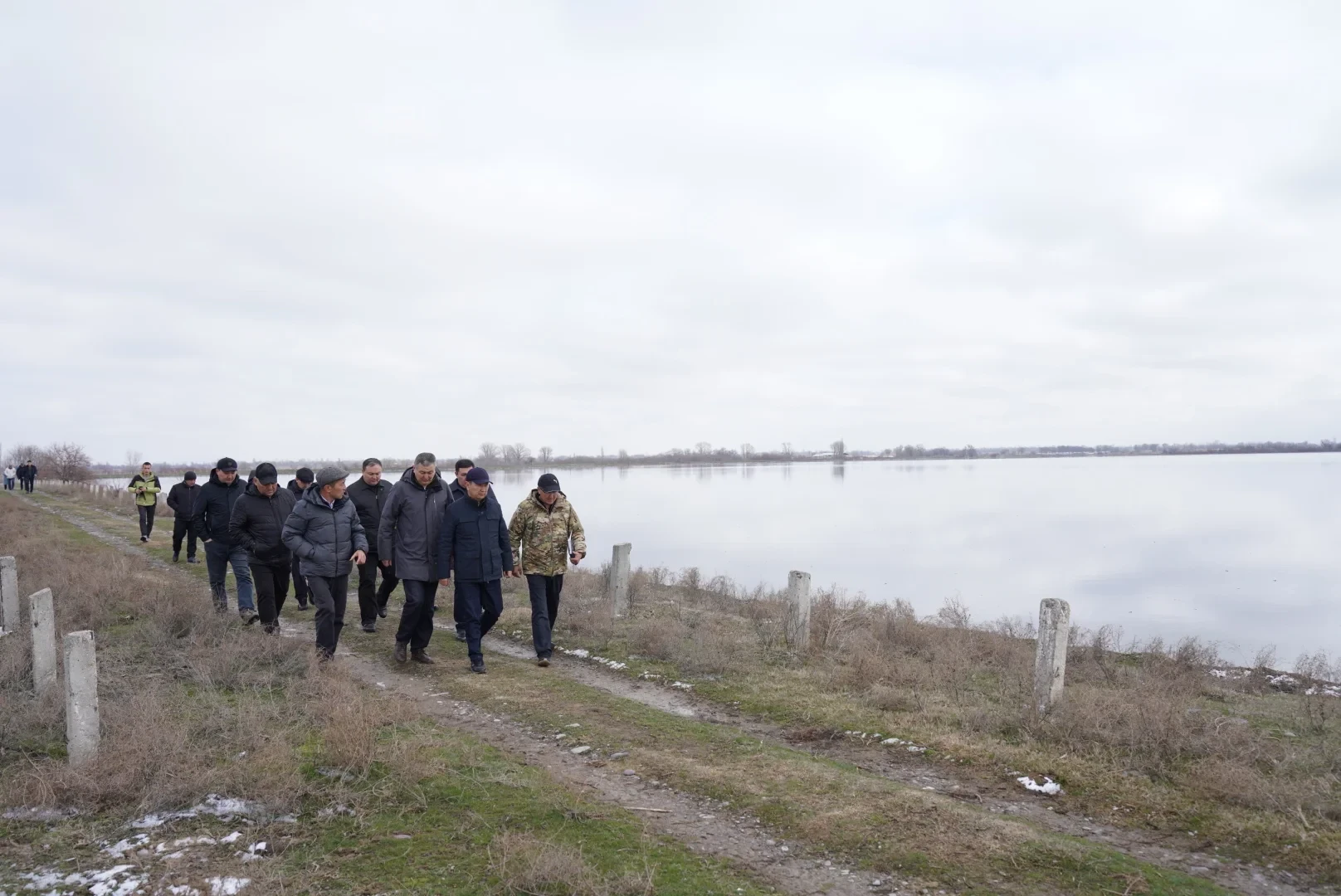
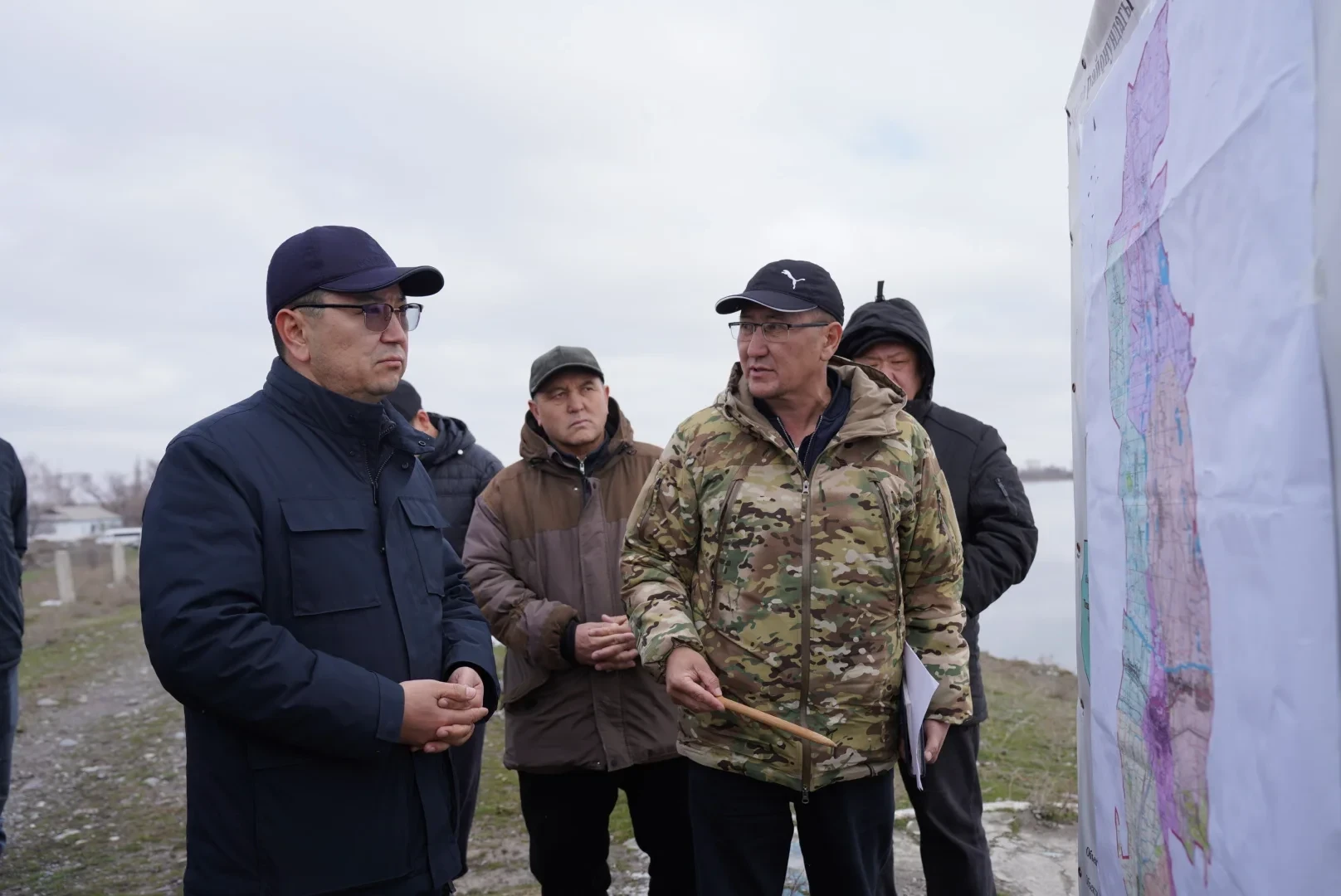

The Deputy Prime Minister of the Kyrgyz Republic and Minister of Water Resources, Agriculture and Processing Industry, Erlis Akunbekov, visited the Chui region on February 28. The purpose of his trip was to assess the current state of the irrigation infrastructure in the region. This information was provided by the Ministry of Agriculture of the Kyrgyz Republic.
The visit aimed to analyze the condition of water management facilities and evaluate the progress of reconstruction and construction works. Special attention was paid to measures taken to ensure farmers have access to irrigation water.
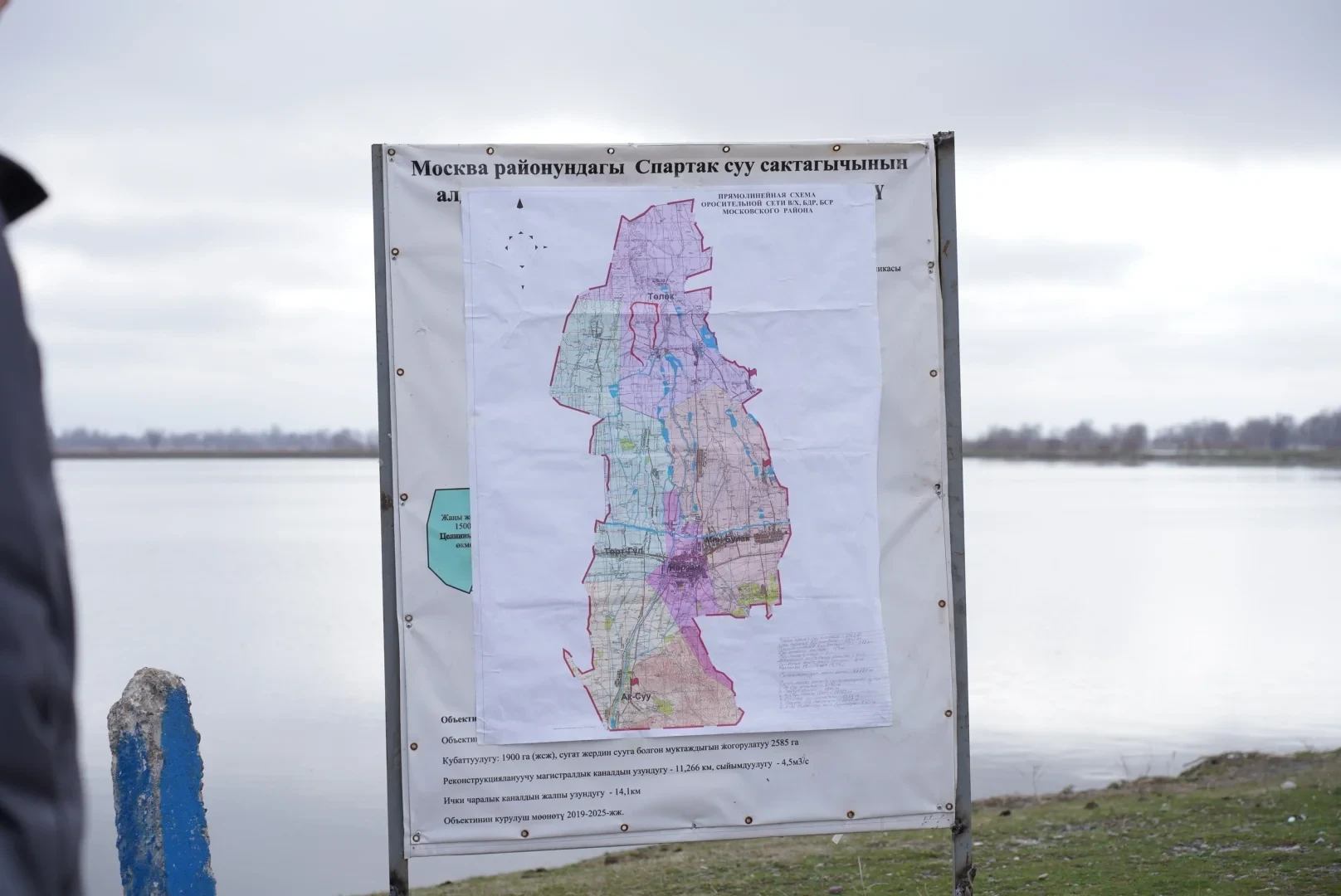
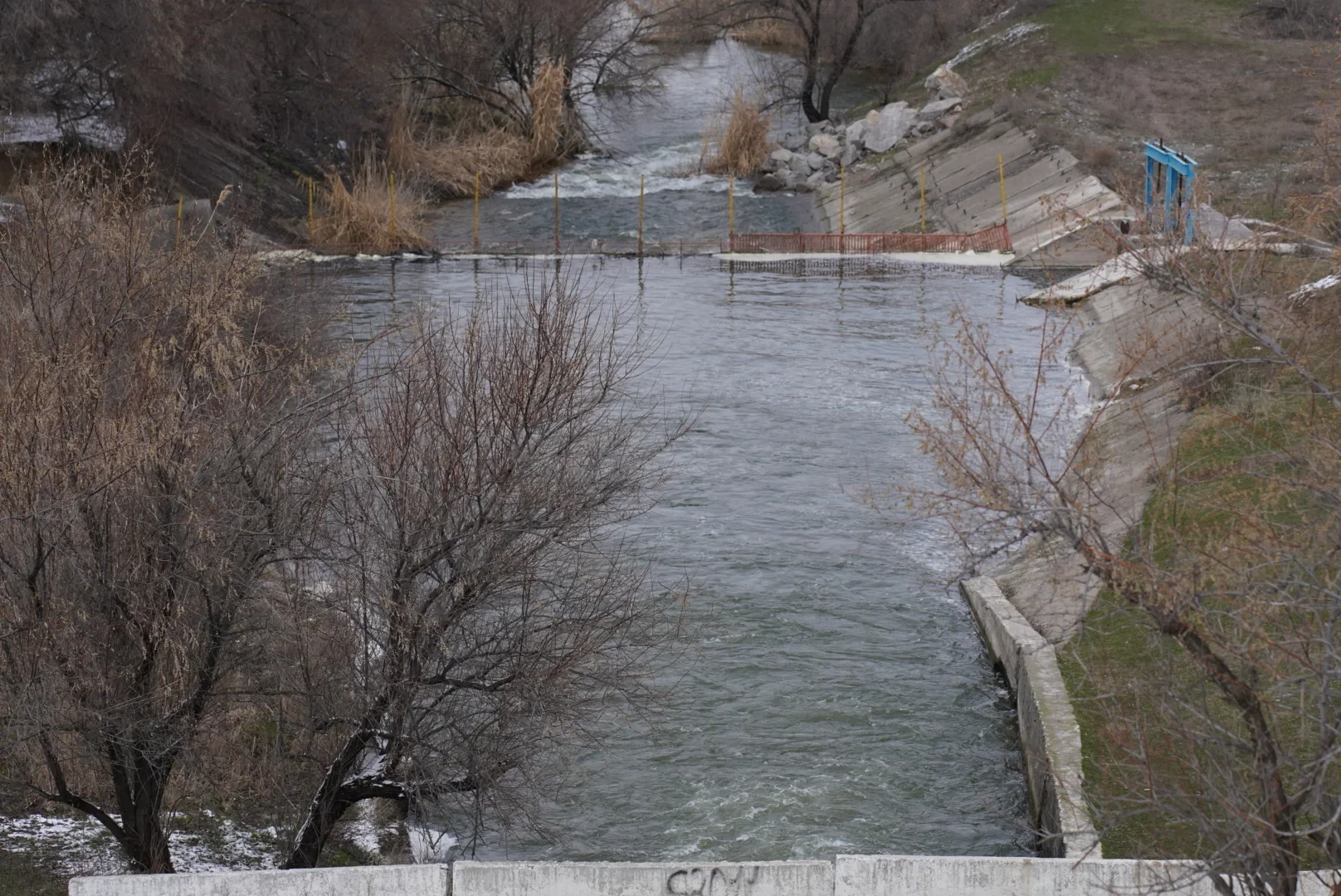
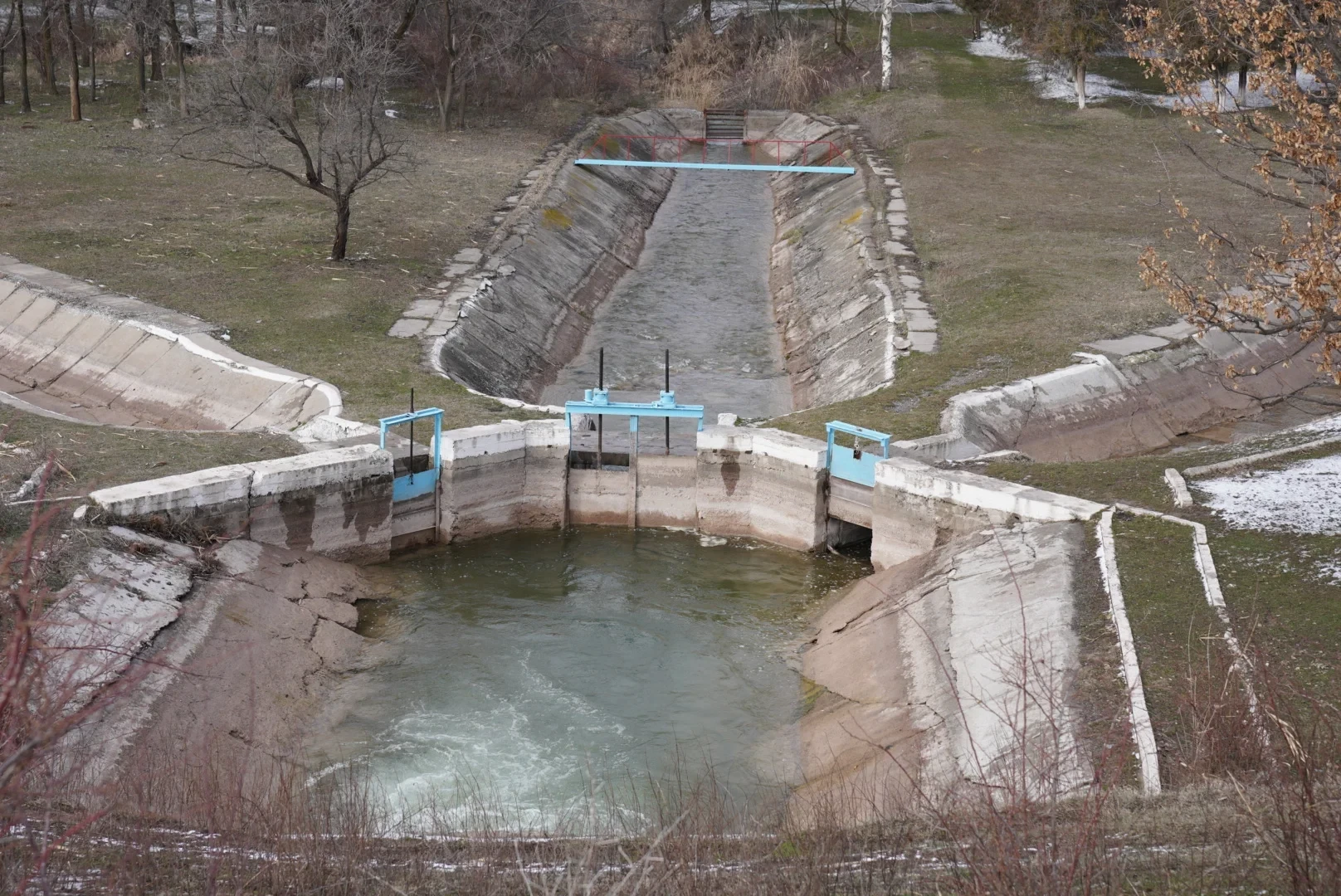
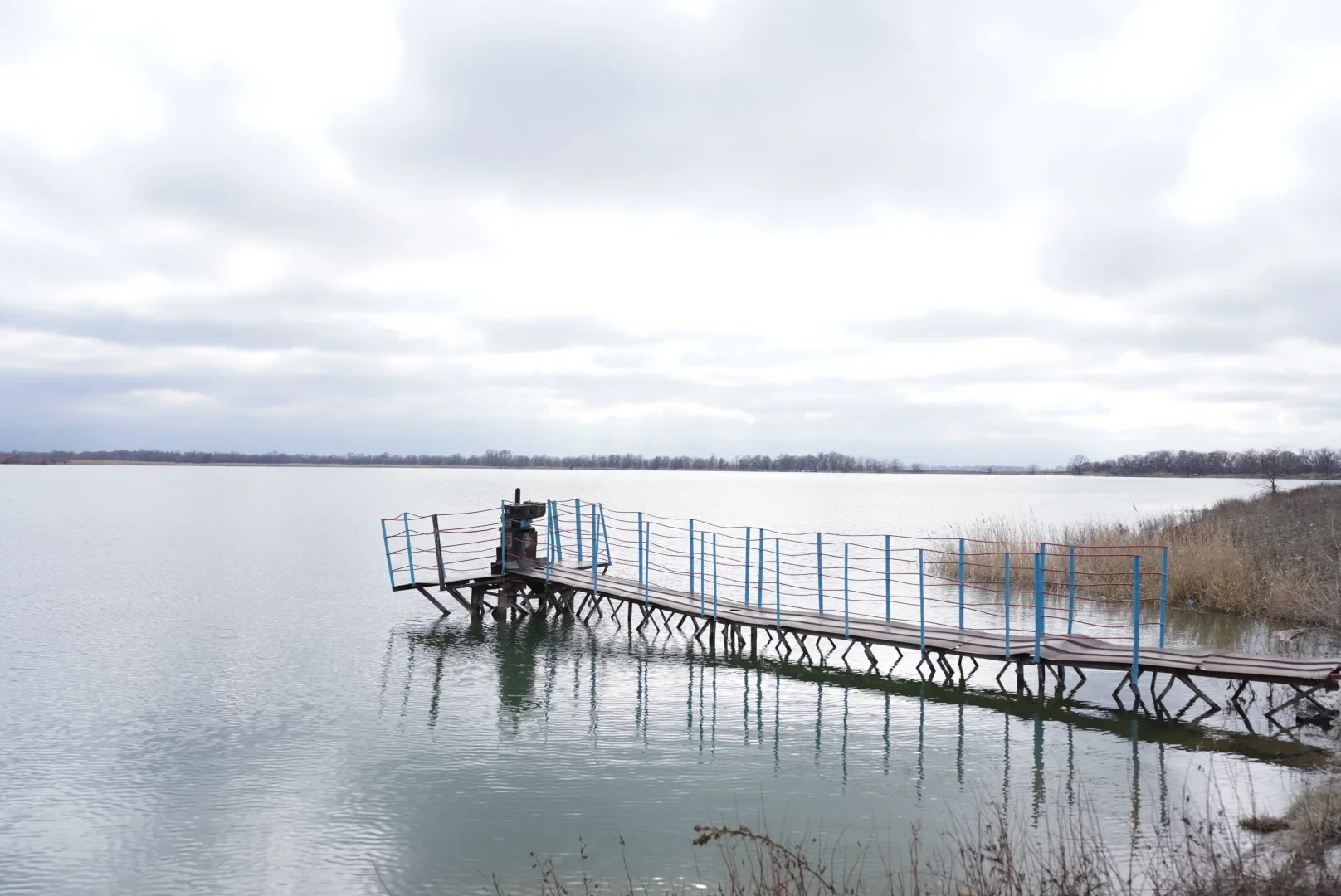
During the trip, the minister inspected the Moscow district, where he reviewed the work at the Spartak reservoir and the Ak-Suu distribution drainage network (BDR). Responsible officials provided data on the technical condition of the reservoir, siltation levels, and its efficiency of use.
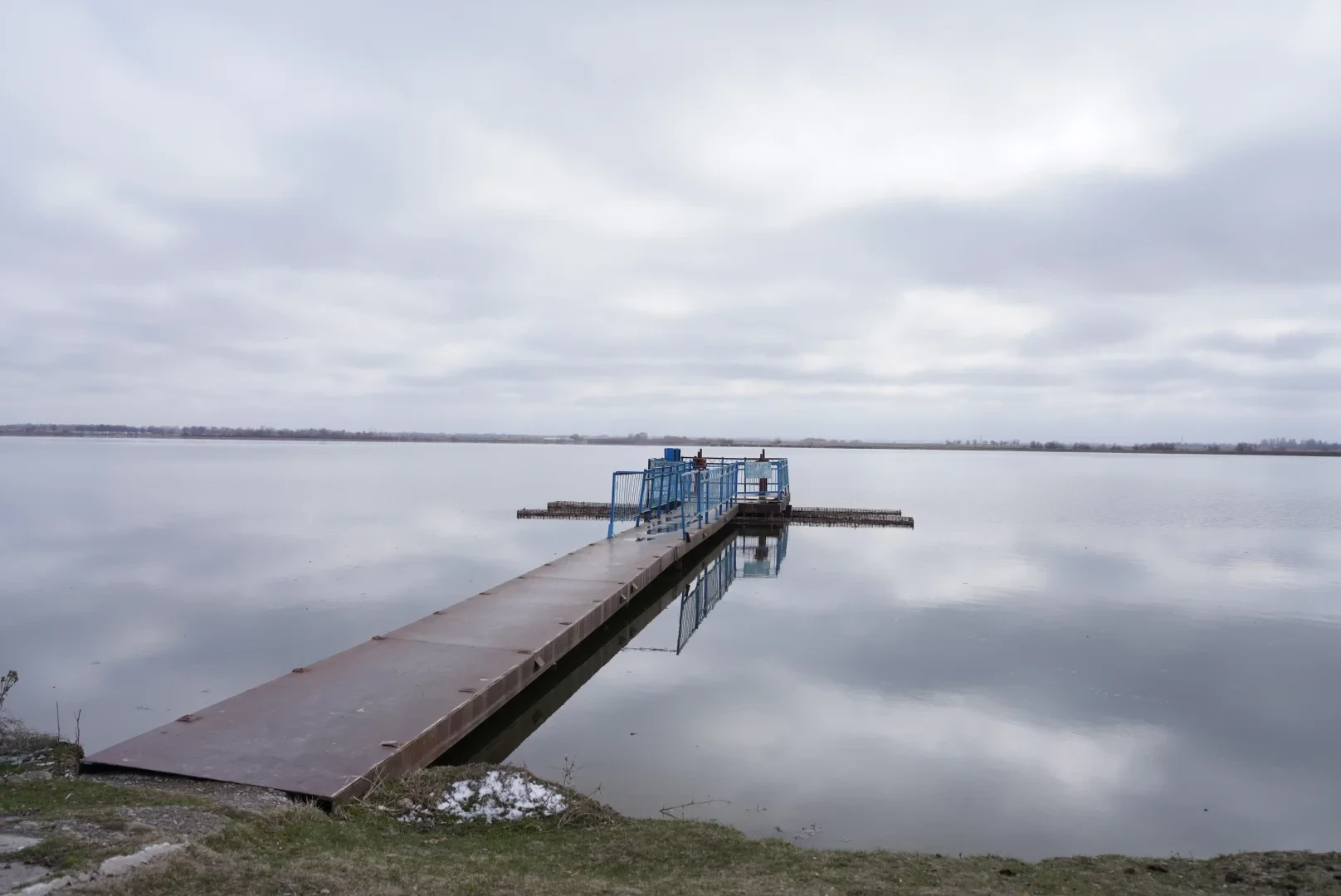
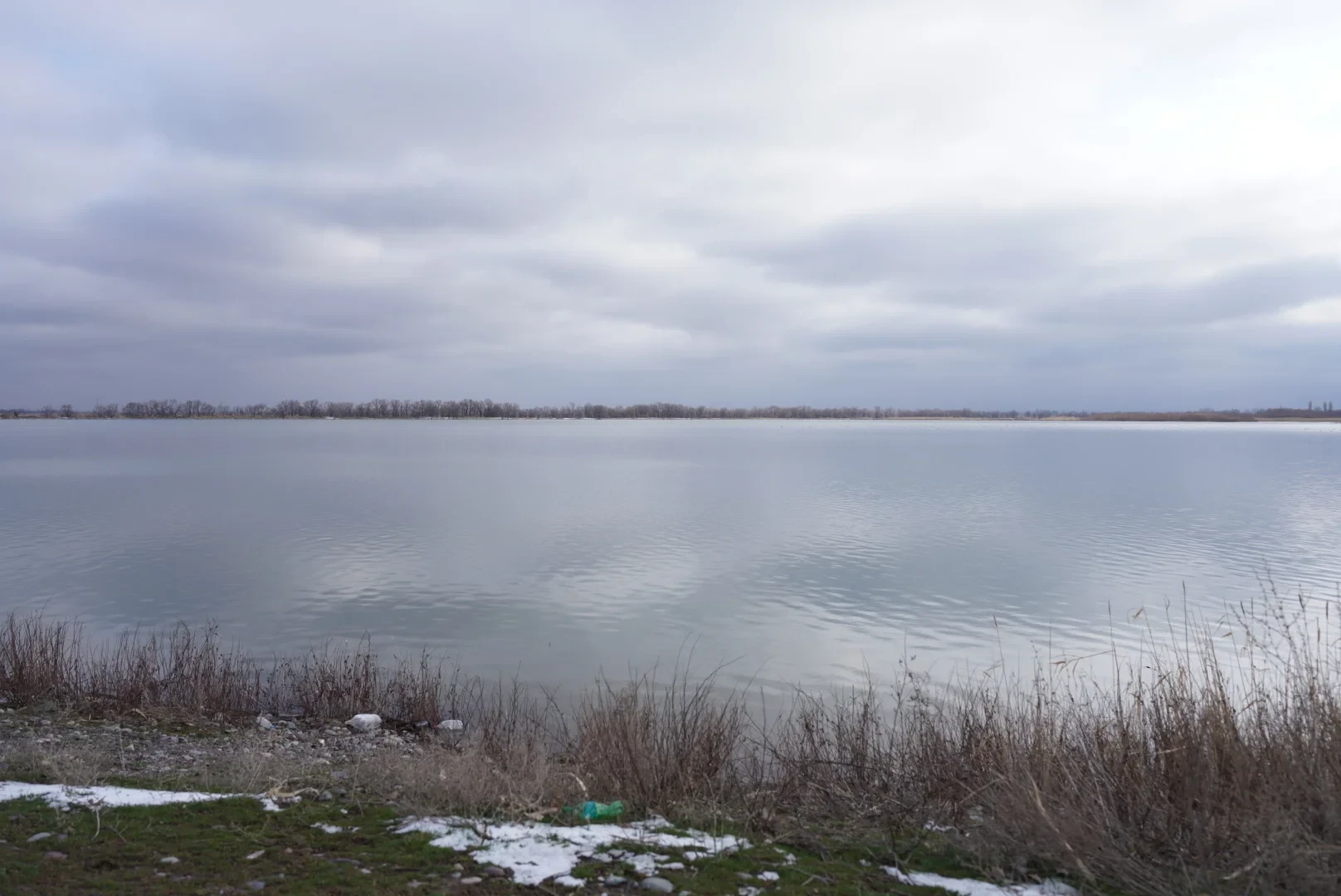
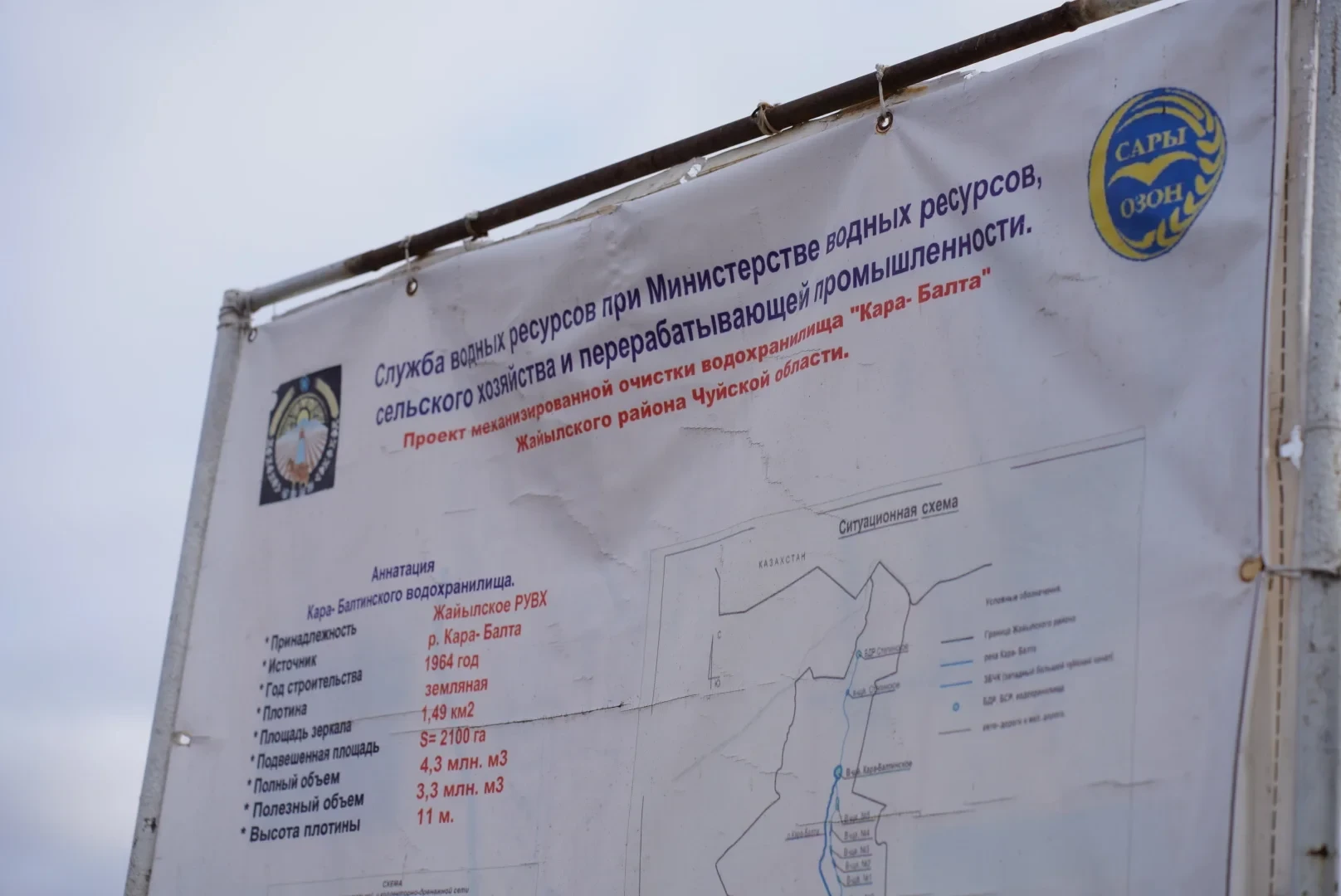
The next stop on his route was the Jayil district, where he studied the activities of the Kara-Balta and Stepninsk reservoirs. These facilities are crucial for ensuring sustainable water supply for irrigated lands and serve thousands of hectares of agricultural land.
The minister emphasized the need to pay attention to the current state of the reservoirs. He noted that many of them had not been cleaned for the past 50 years, which significantly reduced their design capacity.
For example, a reservoir designed for 4.3 million cubic meters currently holds only about 2 million cubic meters. This amount is insufficient to supply 2,100 hectares of irrigated land. Additional water volumes come from the Big Chui Canal and the Kara-Balta River.
"Before starting new construction, our main task is to improve the condition of existing reservoirs, carry out their cleaning, and restore their design capacity," noted Erlis Akunbekov.
As a result of the working trip, instructions were given for the modernization of the irrigation infrastructure, as well as for the phased cleaning and reconstruction of reservoirs, which will allow for the rational use of water resources.
The implementation of these measures will ensure uninterrupted water supply for farming enterprises, enhance the sustainability of agricultural production, and strengthen the agricultural potential of the region.


