
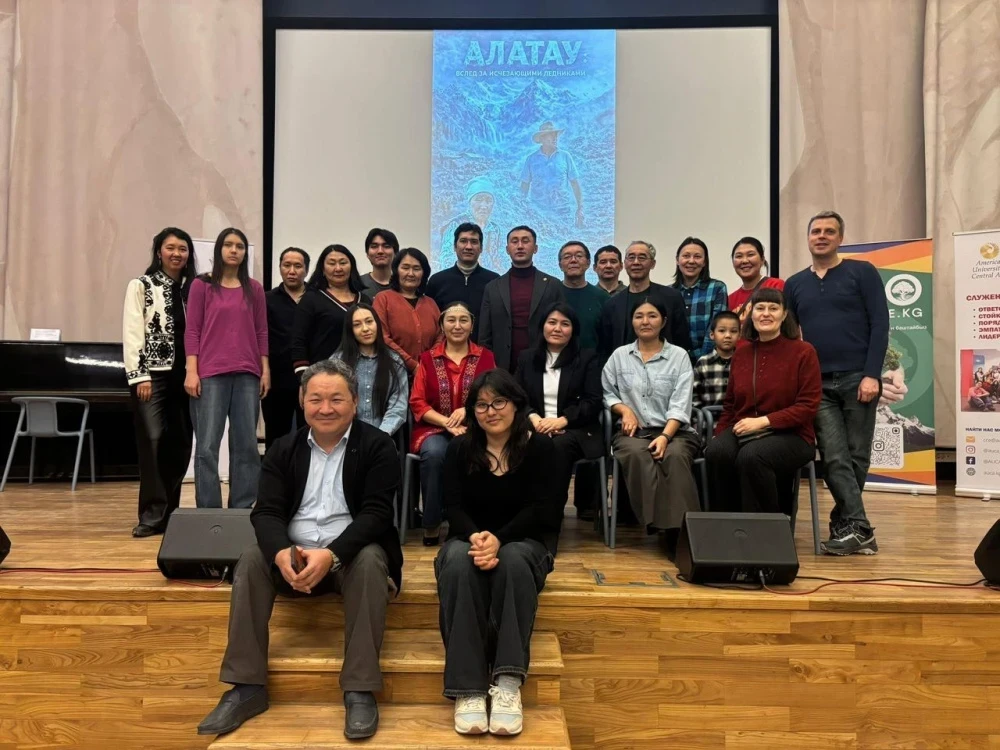
The project was implemented by teams of journalists from Kyrgyzstan and Kazakhstan. The initiator and director of the film was Munara Borombaev (Bishkek), along with Madina Ashilova (Almaty). The editors of the project were Anarkhan Altymyshova (Kyrgyzstan) and Kalimash Begalieva (Kazakhstan).
The film addresses common environmental issues faced by both countries and represents a comprehensive study of one of the most pressing problems in Central Asia - the rapid melting of glaciers and its consequences for millions of people.
The authors emphasize how this transboundary environmental issue affects water and food security, social stability, gender equality, and the human right to a healthy environment.
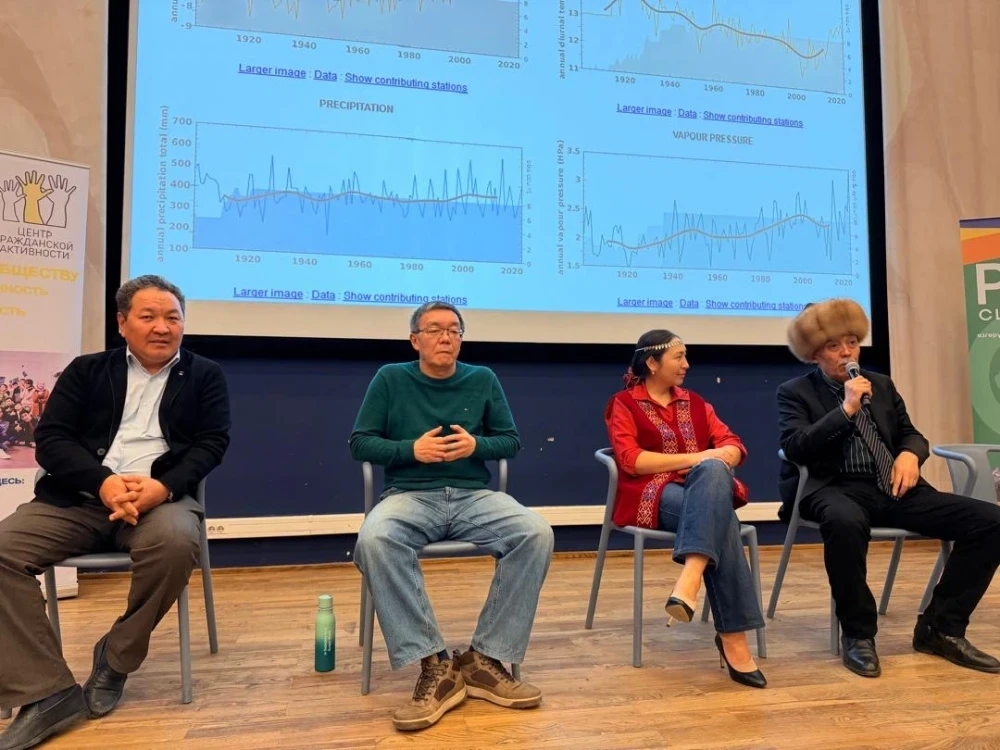
The premiere screening became an important cultural event and a platform for open discussion. The organizers aim to draw the attention of diplomats, international organizations, government structures, and civil society to the climate challenges of the region and the need for joint efforts within the framework of the UN Sustainable Development Goals.
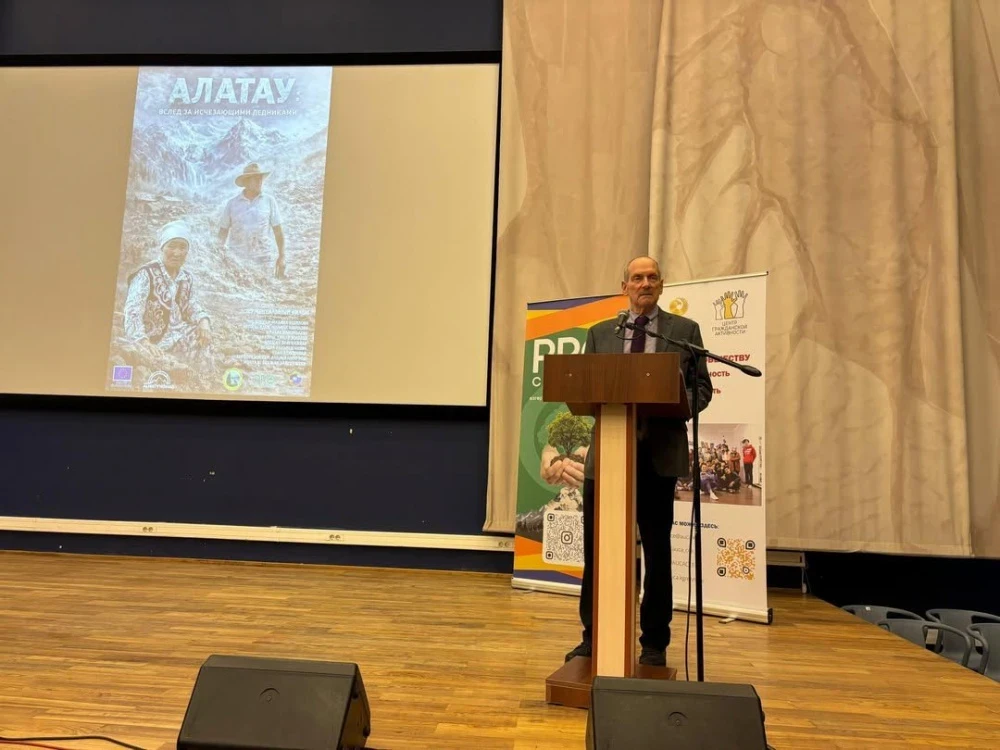
Munara Borombaev, one of the film's authors, noted: "We wanted to show that the melting of glaciers is not an abstract threat of the future, but a real problem we are facing right now. In the film, we trace the connection between the reduction of glaciers, climate disasters, migration, and drought. We also look at not only the problems but also possible solutions and adaptations to climate change."
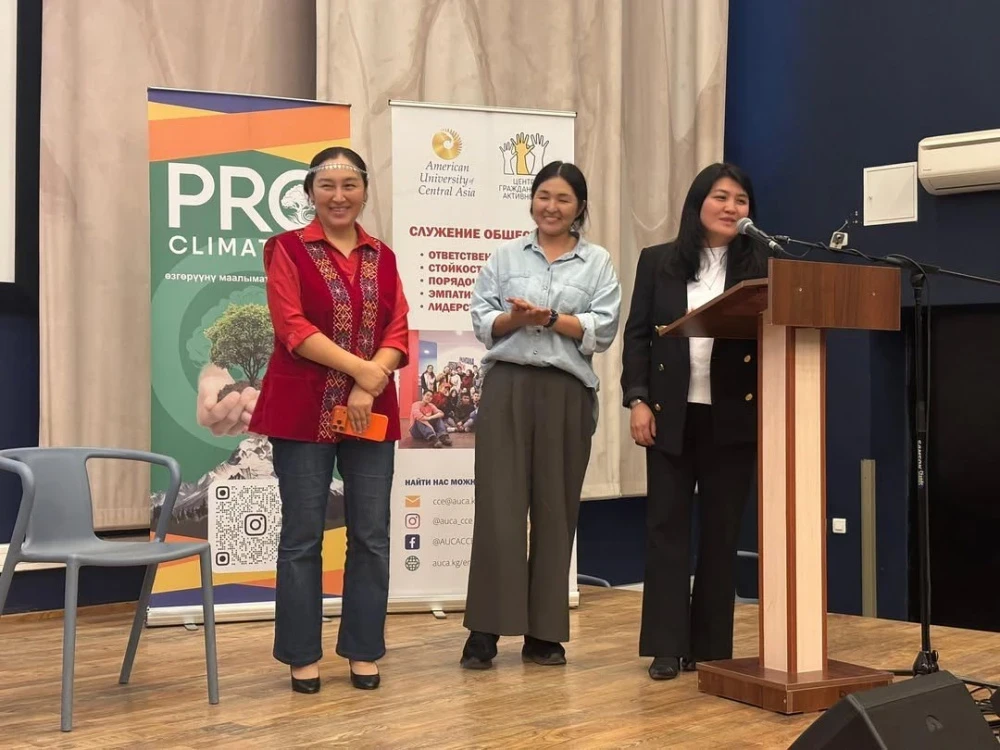
The filming of the movie took place in 2025 with the support of the European Union as part of the project "Enhancing Audience Resilience through Authentic Stories" (CARAVAN), implemented by Internews.


