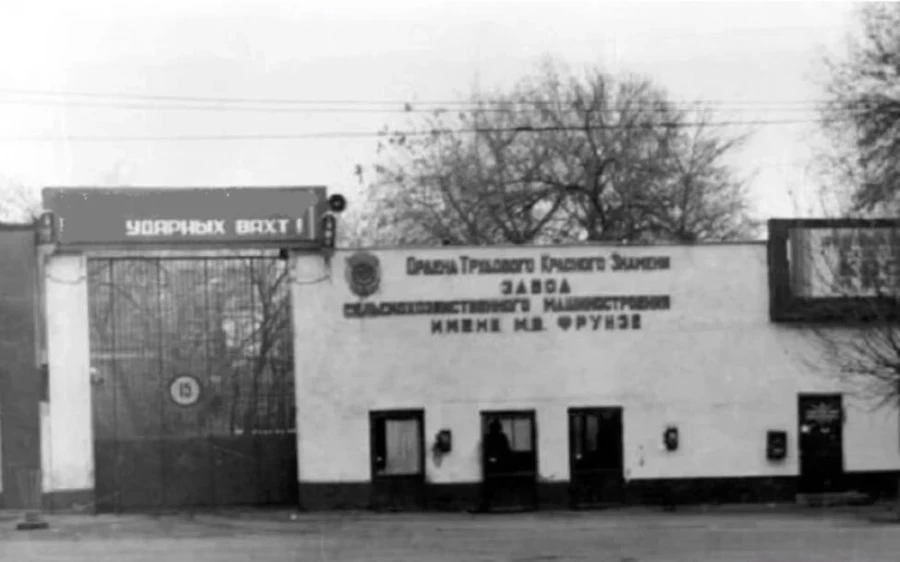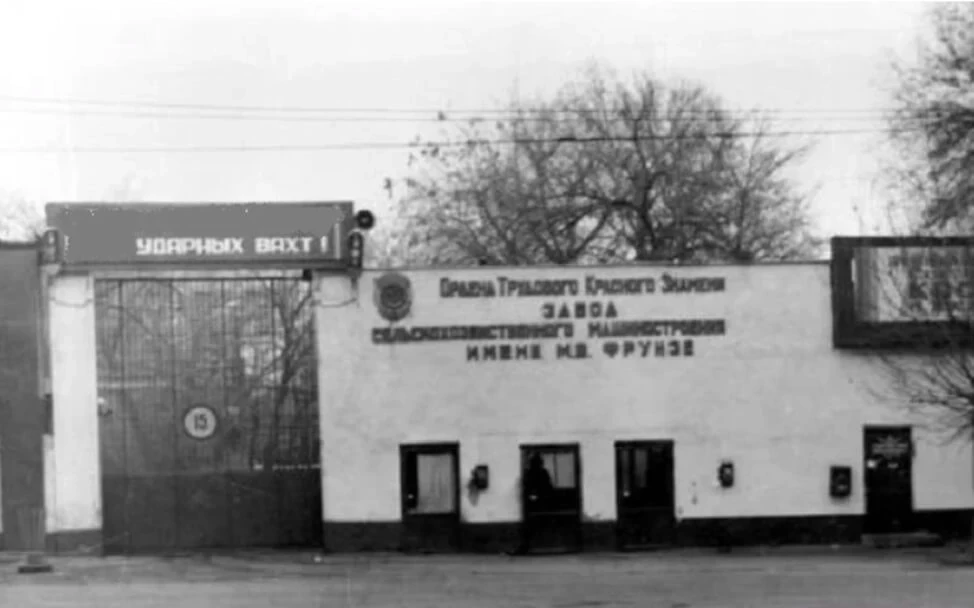
The evolution, crisis, and attempts to revive one of the most famous industrial giants of the country
The M.V. Frunze Agricultural Engineering Plant, known as “Selmash”, was one of the largest industrial facilities in the USSR and played a key role in providing the entire country's agriculture with machinery and specialists. The products of this factory were used in collective and state farms from Central Asia to Siberia and the Volga region.
“Selmash” became not just a workplace but also an important part of life for many families, forming an entire urban infrastructure around it: residential neighborhoods, social facilities, sports teams, and cultural institutions. In this article, we will tell its story — a time when the fraternal republics created a common economy and developed industry.
Foundation and Early Years (1920s-1930s)
The story of “Selmash” begins in the 1920s, when mechanical workshops of the cooperative “Intergelpo” operated in Pishpek. This cooperative, which arrived from Czechoslovakia in 1925, was created to assist the young Soviet republic in training personnel and implementing technologies.
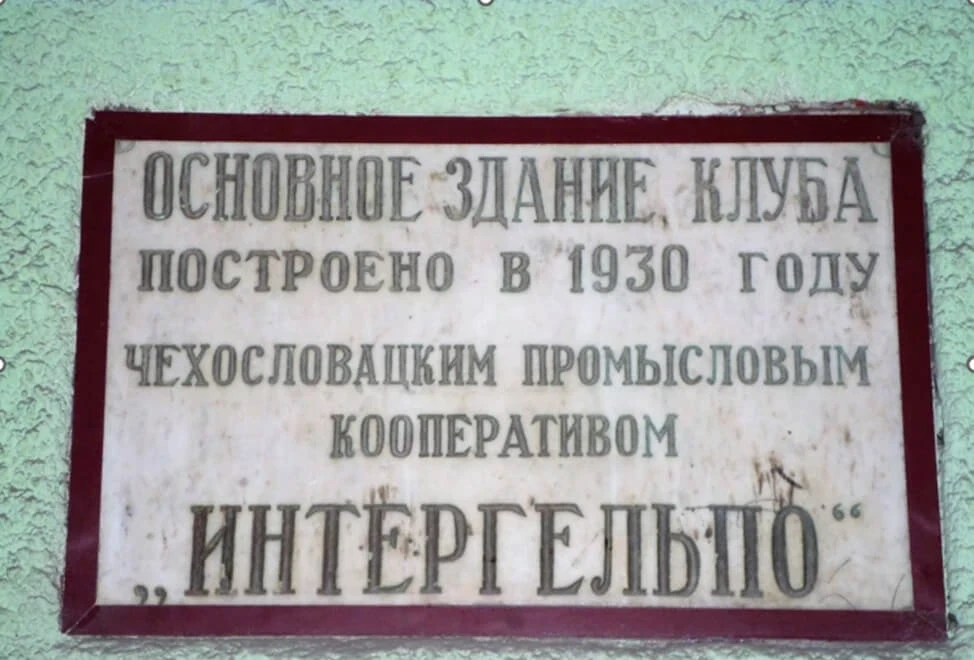
Thanks to the efforts of over a thousand specialists of various professions, the barren territory transformed into a full-fledged industrial and residential area. Mechanical workshops, textile and woodworking shops, as well as houses, a school, and social facilities were built here.
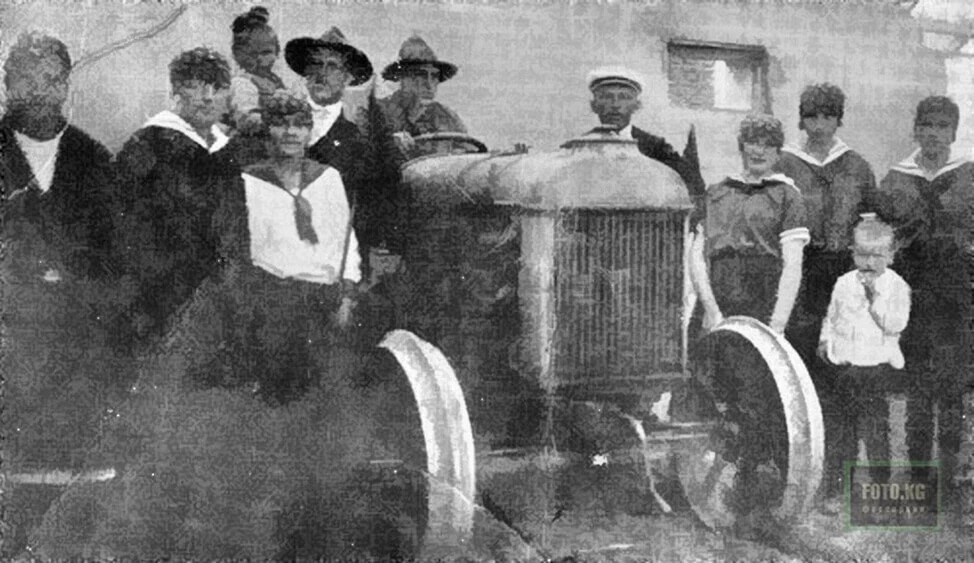
Workers of “Intergelpo” and the first agricultural machines. An era when industry was created by the hands of the working people
The connection with “Intergelpo” also includes Julius Fucik, a famous Czech journalist and anti-fascist, who highly praised the work of the communards in 1930. His name was given to a park that became a recreation center for workers, now known as Fucik Boulevard.
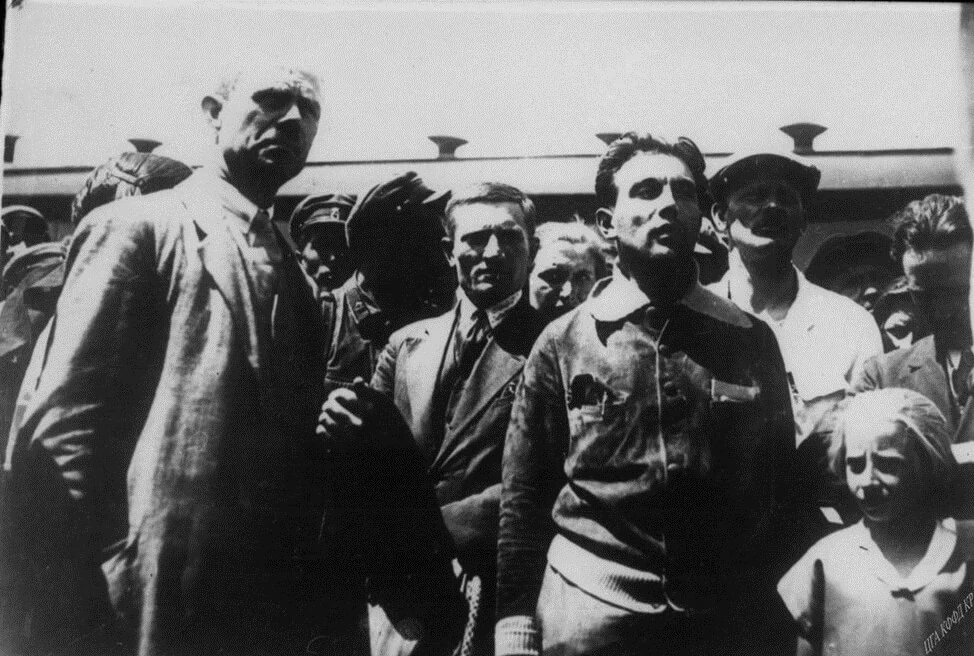
Julius Fucik in Frunze, 1930. The writer planned to dedicate a novel to him after visiting the “Intergelpo” cooperative
In 1941, under the conditions of the Great Patriotic War, “Intergelpo” became the basis for a new machine-building plant, which later received the name of M.V. Frunze.
Formation Period (1940s-1950s)
The war was a decisive moment for transforming small workshops into a significant machine-building plant. In the autumn of 1941, the evacuation of strategically important enterprises began, leading to the relocation of equipment from the First of May Agricultural Engineering Plant to the Kirghiz SSR.
These production facilities were placed on the basis of the already existing mechanical workshops of “Intergelpo.” This merger is considered the founding date of the M.V. Frunze Plant.
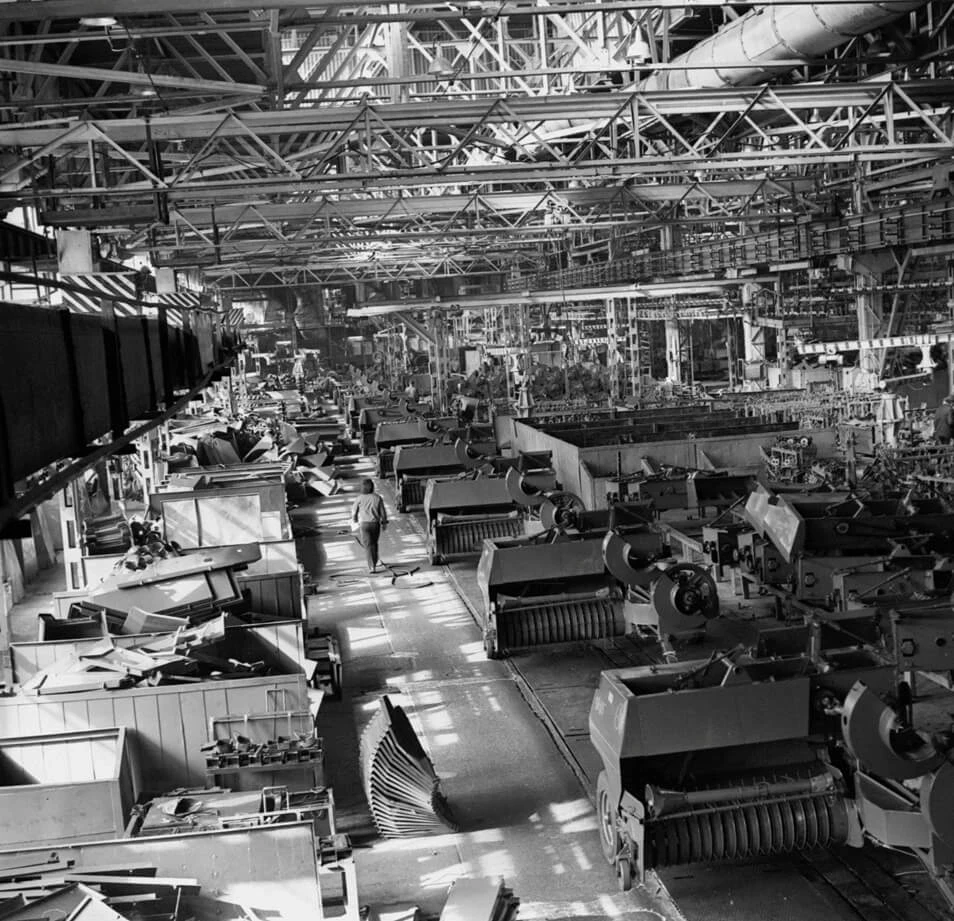
Main workshop of the Frunze Plant
Launching under wartime conditions required maximum mobilization of resources and personnel. The plant operated to fulfill state orders, producing not only agricultural machinery but also military products.
According to Semen Yakovlevich Polyakov, the deputy director of the plant, during the war they produced sabers and parts for tanks. After the war, the plant returned to its peaceful specialization, and the accumulated experience became the basis for further development.
In the 1960s-1970s, “Selmash” became a leading manufacturer of balers for forage harvesting, which helped ensure the country's food security.
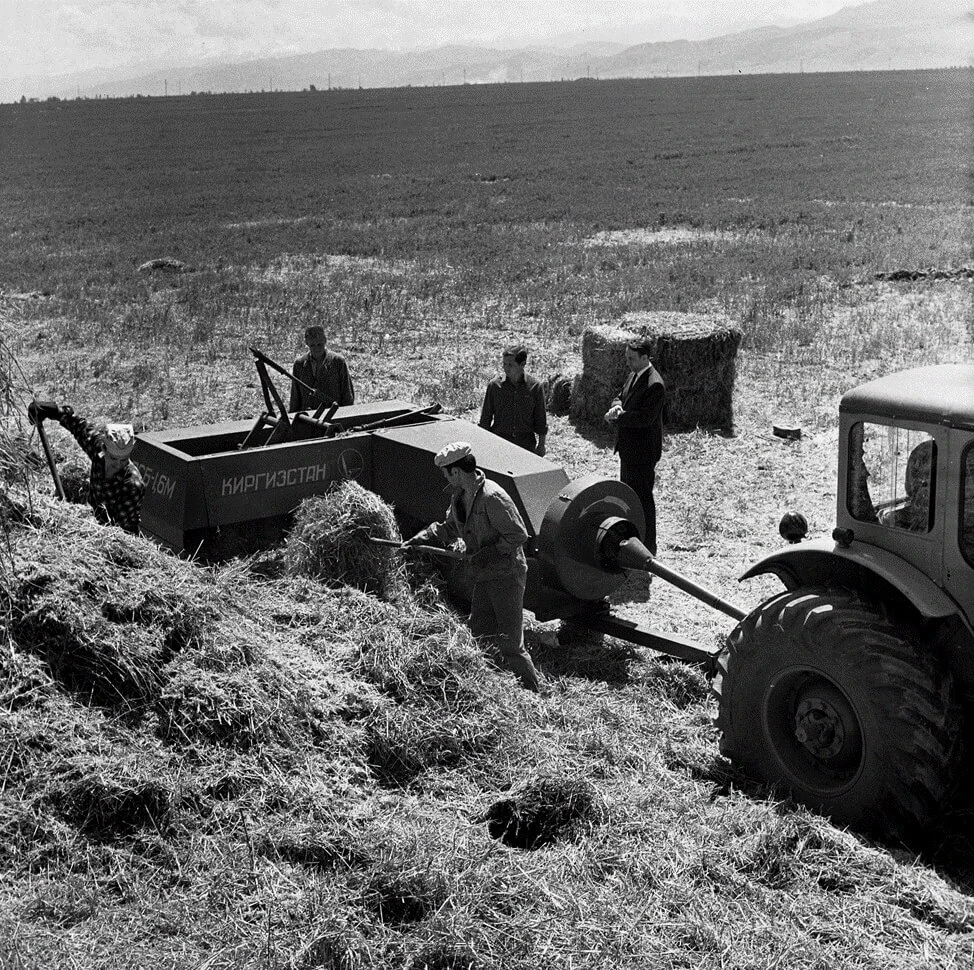
By the 1970s, the plant had significantly increased its production volumes and expanded its product range, including over 40 types of agricultural machines.
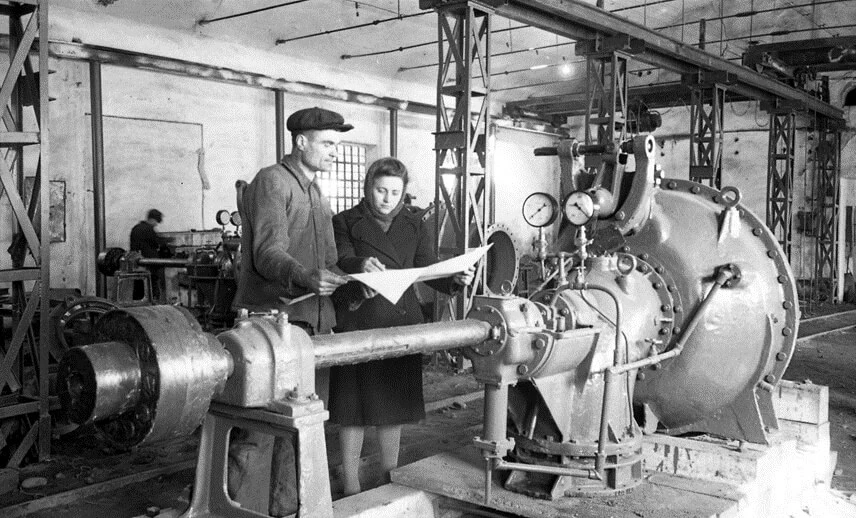
Decline and Privatization after 1991
With the collapse of the USSR in the early 1990s, “Selmash” faced sharp changes. The plant, which was once part of a unified system, found itself in new economic conditions, and in 1992 its production could still deliver 19,975 balers. However, soon production volumes began to decline rapidly.
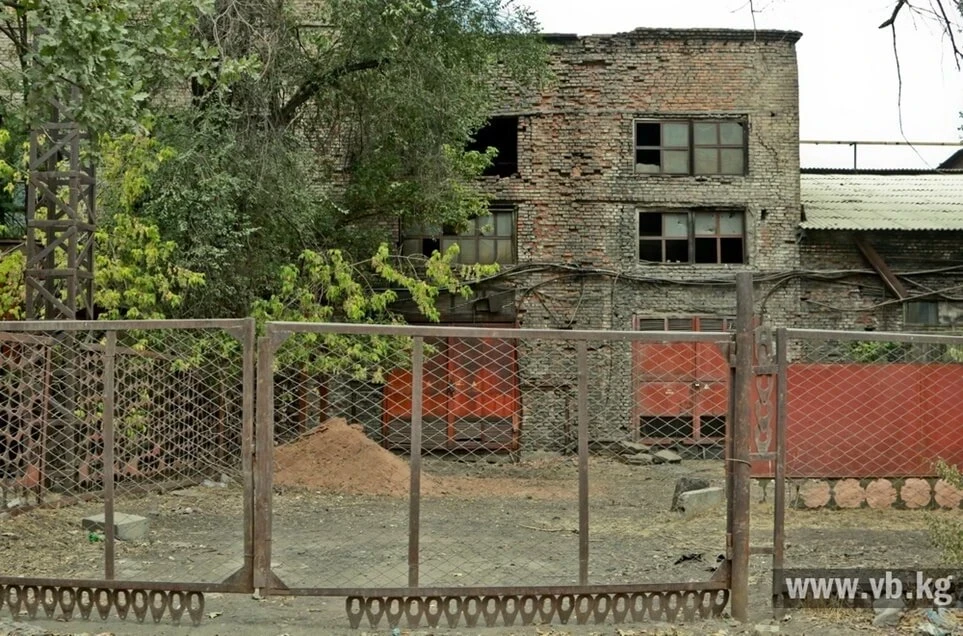
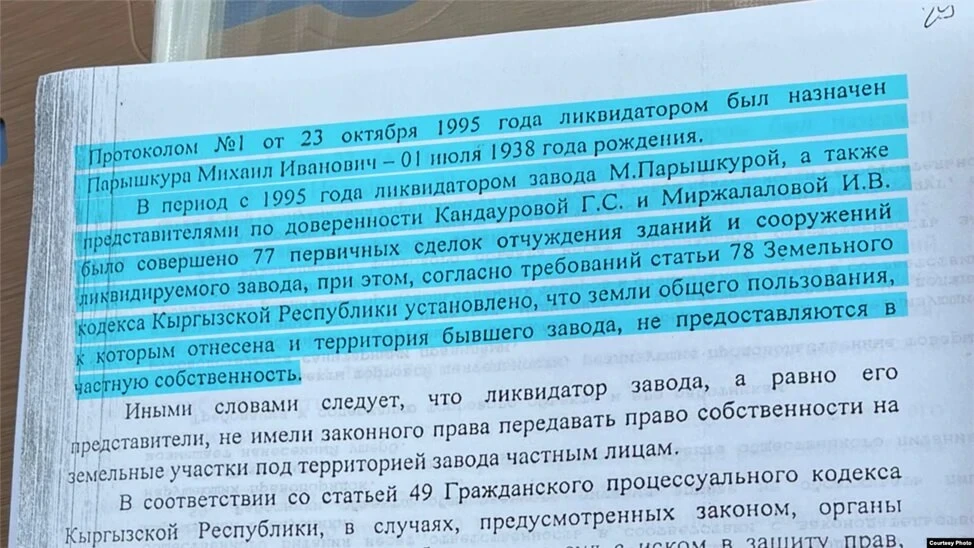
By 1995, the plant was declared unprofitable and began selling off its assets. The liquidation of the plant occurred as part of a large-scale privatization program. Many specialists left the country in search of work.
However, starting in 2015, reindustrialization began on the territory of the former plant, and new manufacturing enterprises emerged here. By 2024, about 80 companies are operating on the territory, and by 2025 their number is expected to exceed 200.
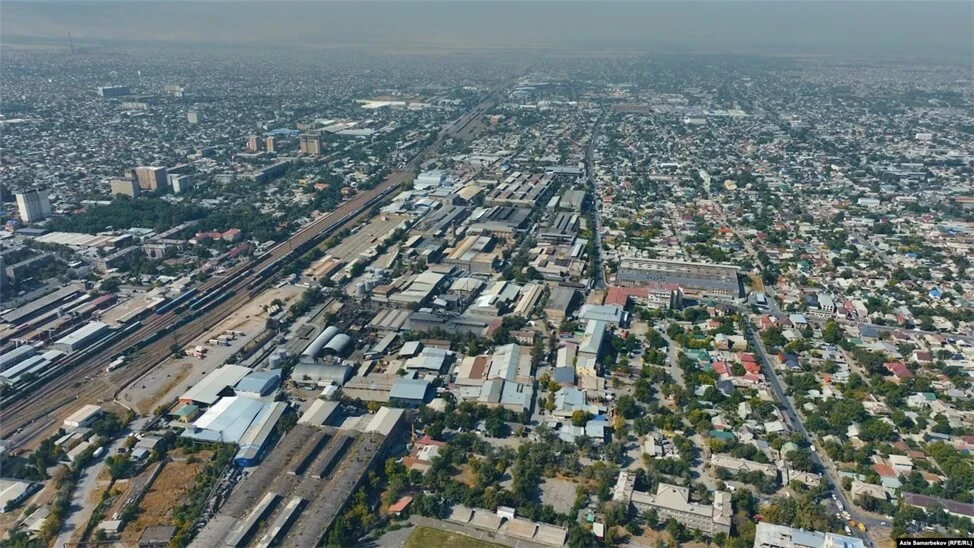
Thus, the history of the Frunze Plant is not just a chronicle of one enterprise; it reflects the fate of the entire Kyrgyz industry, which, despite difficulties, is beginning to rise again. It is important that in this new era, the production traditions are preserved and the potential for further development is realized.