
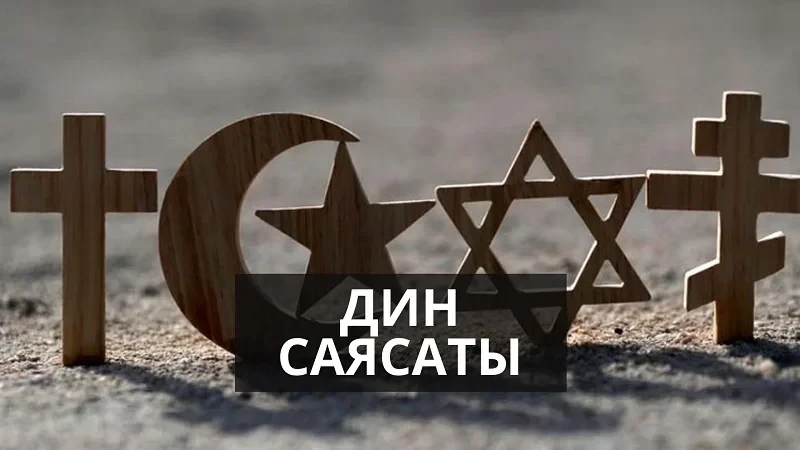
- State decisions are made based on the Constitution and legislation, not religious norms
- Religious organizations are isolated from political activities and do not participate in elections
- All religions and beliefs have equal status before the law; no religion can be declared state
- Citizens have the right to choose their religion or remain atheists
However, there were also issues such as inadequate quality of religious education, ignorance among the population, and cases where families left for countries like Syria, highlighting the weakness of religious policy.
In 2025, the law "On Freedom of Religion and Religious Organizations" underwent changes: state control was strengthened, and measures became stricter. Religious figures were removed from the political sphere; to participate in elections, they had to resign from their religious positions and wait five years before they could run again. All religious organizations are required to coordinate their projects related to construction, distribution of literature, and education with the Department of Religious Affairs. Unified standards for religious educational institutions were introduced.
The plan to adhere to the principles of a secular state is reflected in the concept of state policy in the religious sphere of Kyrgyzstan for 2021-2026:
- Tightening legislation against religious groups involved in politics
- Prohibition of the use of religion in political processes, participation of religious leaders in campaigning, and use of religious buildings for political purposes
- Introduction of mandatory secular subjects in religious educational institutions and subjects such as "History of Religious Culture" in schools to improve the education system
- Creation of mechanisms for cooperation between civil servants and religious leaders within the framework of legislation
- Conducting informational work, providing citizens with scientifically grounded information on religious issues, as well as monitoring the financing of religious organizations
“When developing state policy in the religious sphere, public opinion expressed on social networks is taken into account. Of course, negative influences and challenges arise. False information and disinformation create serious difficulties. Important political decisions can be distorted by organized "bots," leading to public opinion disorientation and conflicts.
The digital environment has become a new field for religious radicalism: extremist ideologies spread rapidly through social networks, facilitating the recruitment of new supporters by radical groups. Strengthening the secular principles of the state has been designated as a priority in two concepts of state policy in the religious sphere of Kyrgyzstan (the first for 2014-2020, the second for 2021-2026). This has led to a deeper understanding of secular principles in society, which has become the basis for the sustainable development of the religious sphere.
Changes in the law on freedom of religion have contributed to improving measures for ensuring public safety. Explanatory work is being carried out among citizens regarding the correct understanding of secular principles and state policy in the religious sphere, as well as the prevention of religious extremism and radicalism.
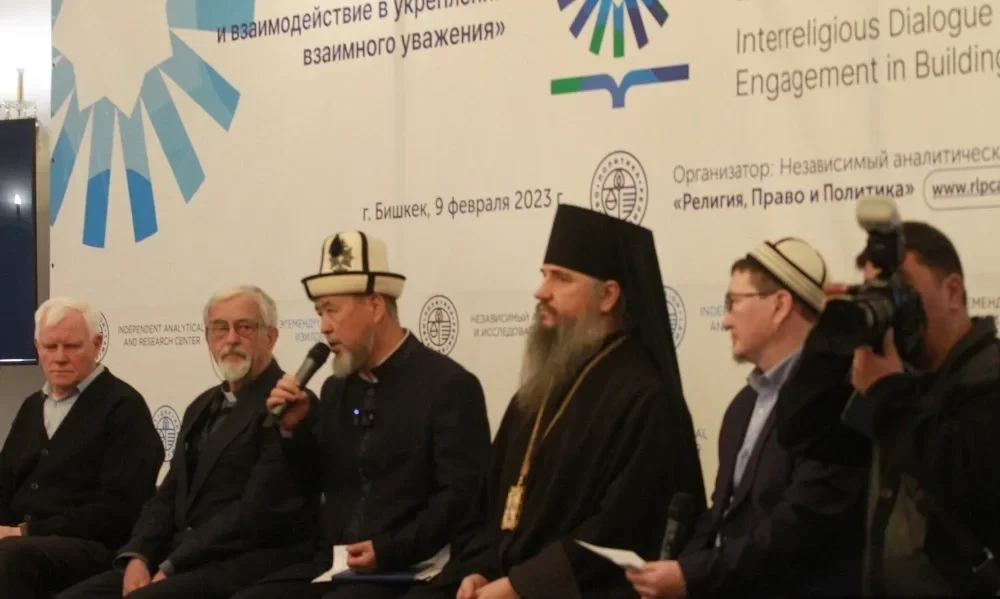
To strengthen interfaith harmony and social cohesion in the country, an Interfaith Advisory Commission has been established, which holds thematic events annually,” the press service of the National Agency for Religious Affairs and Interethnic Relations reported.


