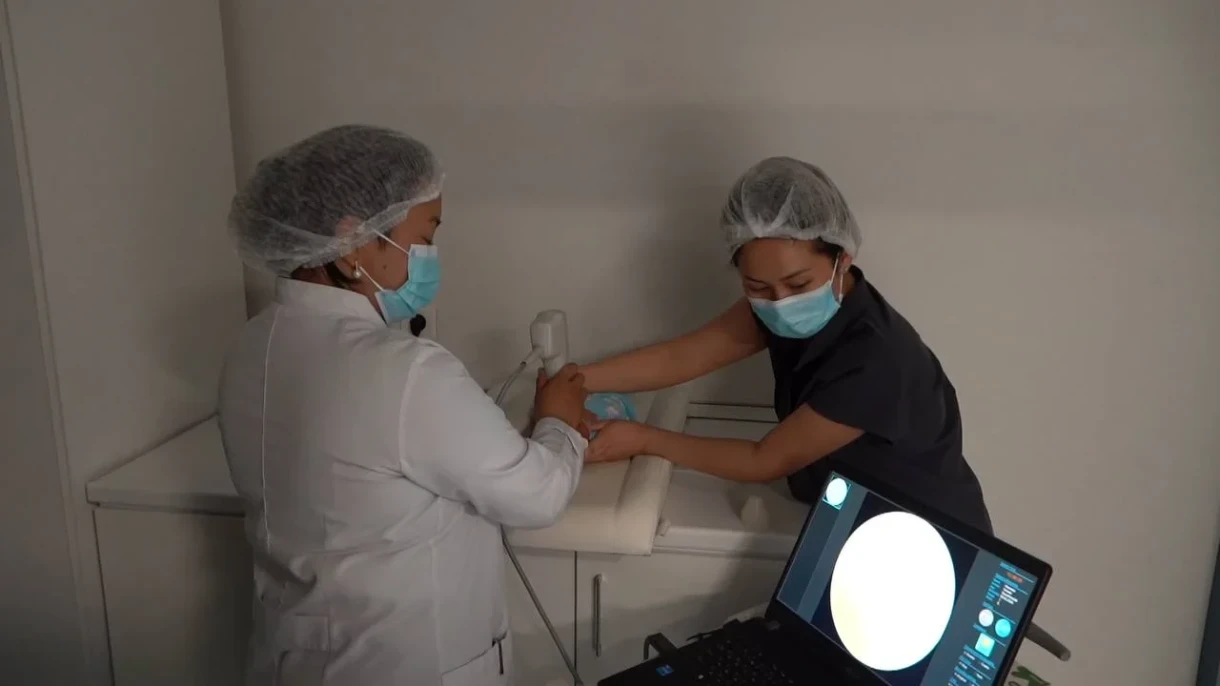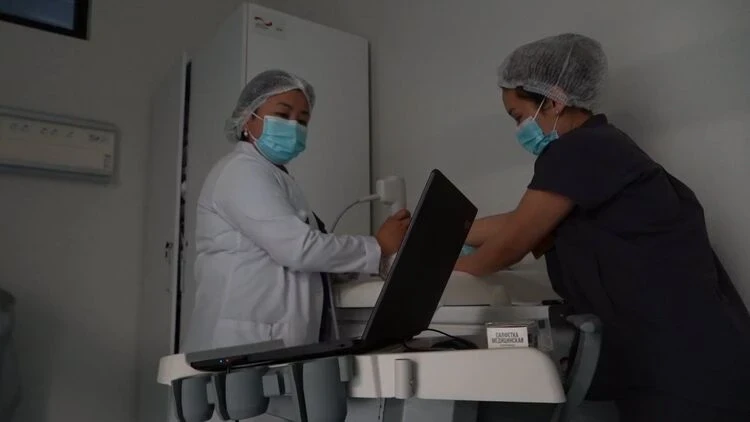
In Kyrgyzstan, there is a growing system for the early detection and treatment of retinopathy in premature infants, a condition that can lead to complete blindness without timely medical assistance. This is reported by the press service of the Ministry of Health.
Alina Sagynbekova, an ophthalmologist from the National Center for Maternal and Child Health (NCMCH), explains that retinopathy of prematurity is related to the immaturity of the vascular network and anatomical structures of the eye. This condition does not occur at birth but develops as the child grows, highlighting the importance of regular examinations.
Detection of retinopathy usually occurs within the first three weeks of life. All infants born before 35 weeks of gestation should be examined by an ophthalmologist. In Bishkek, such examinations are conducted at the NCMCH, while in the regions, they are performed at central regional hospitals where specialists have undergone the necessary training for screening this condition.
It is important to note that parents may not always notice the early signs of the disease, so consulting a doctor in the first weeks of the baby's life is crucial.
Retinopathy has several stages, and the first two require dynamic observation. In some cases, as the child grows, changes may resolve on their own. However, if the condition worsens, specialized treatment is necessary.
The absence of timely examination or treatment can lead to complete vision loss and disability.
Modern treatment methods show high results: according to global and local statistics, 89-90% of children retain good vision after timely intervention. In some cases, correction with glasses may be required.
Every year, the number of examinations and support for premature children increases in Kyrgyzstan. Previously, the focus was on identifying pathologies, but now a comprehensive system for monitoring and treatment is being established.
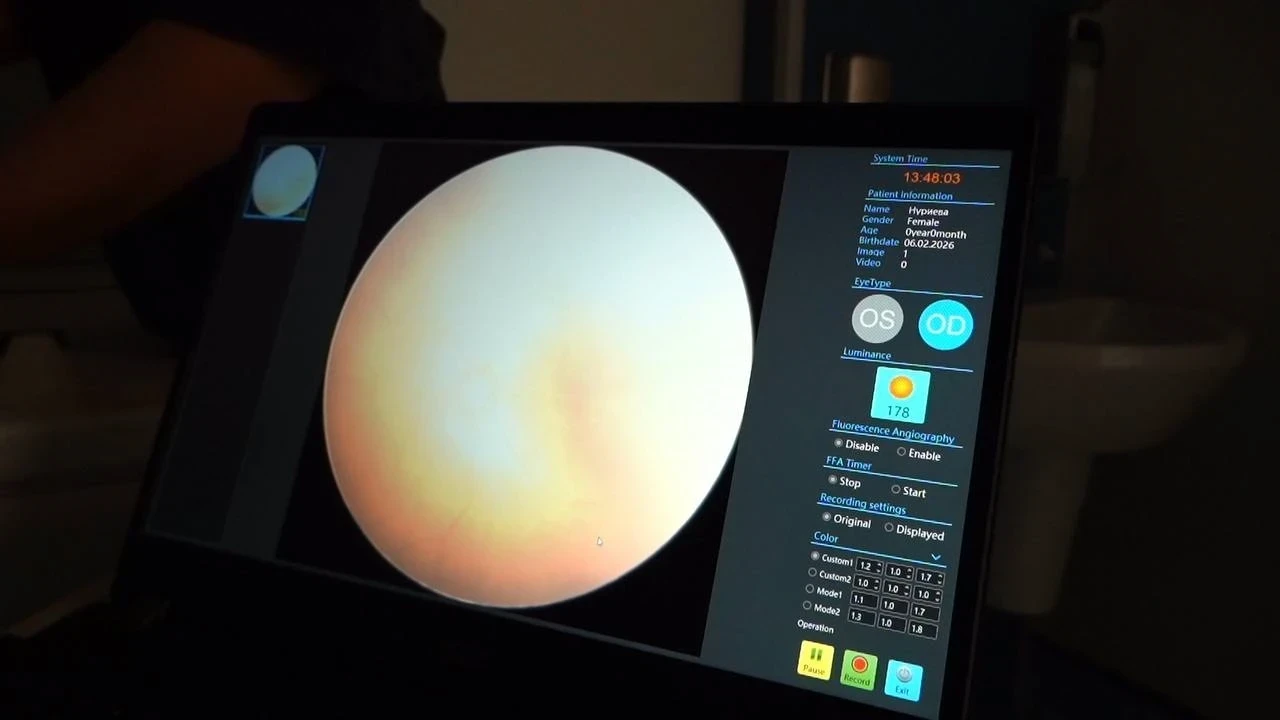
In 2024-2025, the volume of ophthalmological assistance to at-risk children in the country significantly increased. The total number of examinations rose from 851 to 2584. Initial examinations increased from 881 to 940, while follow-up examinations grew from 970 to 1644. This indicates regular monitoring of children and an improvement in the quality of medical support.
Since 2024, surgeries for retinopathy of prematurity have begun at the NCMCH. The number of children receiving specialized assistance increased from 42 in 2024 to 79 in 2025.
Modern treatment technologies include laser coagulation and anti-VEGF therapy, supported by the High Technology Fund of the Ministry of Health of the Kyrgyz Republic, as well as combined approaches to treatment.
This indicates a shift towards more active methods of treating retinopathy of prematurity in the country.
Doctors emphasize that every premature child should undergo examinations by an ophthalmologist, ENT specialist, neurologist, and pediatrician. A comprehensive approach and early monitoring are key to identifying possible deviations and preserving the child's health.