
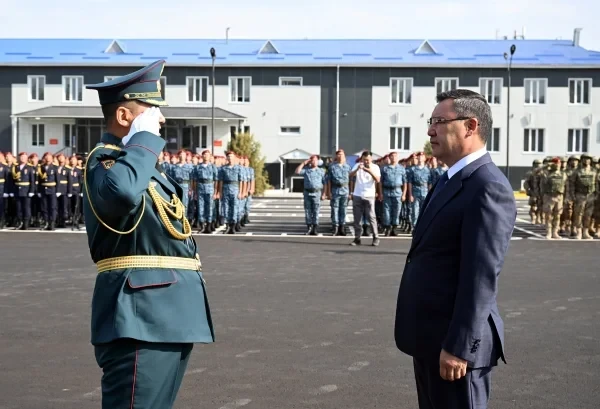
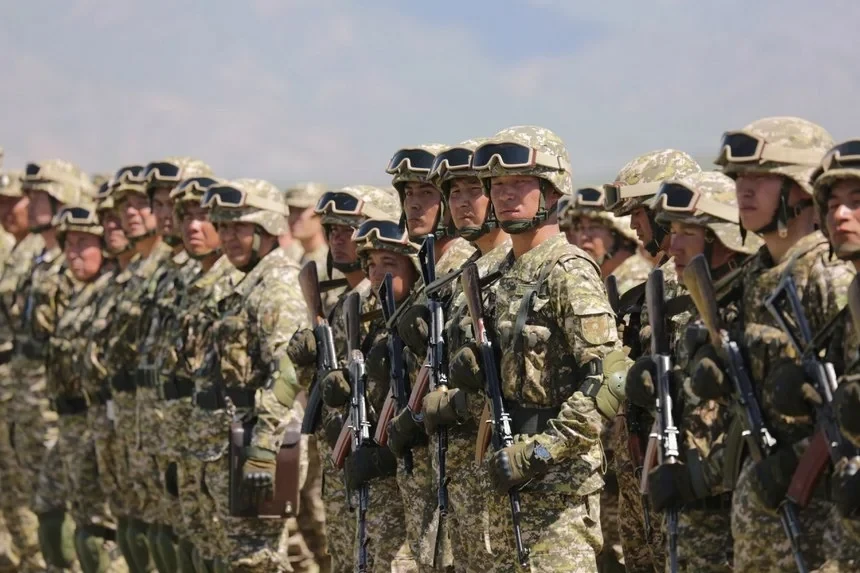
According to Otonbaev, over the past five years, funding for the army has increased almost threefold. Currently, budget funds are being allocated in full, unlike in the past when the armed forces received only 30% of the planned funding.
About 1-2% of the total GDP is allocated for defense. This is sufficient to meet current tasks, but given the deteriorating global situation, further increases in the defense budget will be required.
Lessons from Border Conflicts
Recent armed clashes on the border with Tajikistan have catalyzed a reassessment of security approaches. Otonbaev noted that if the army had been in its current state during these conflicts, a potential adversary would have "thought a thousand times" before attacking.
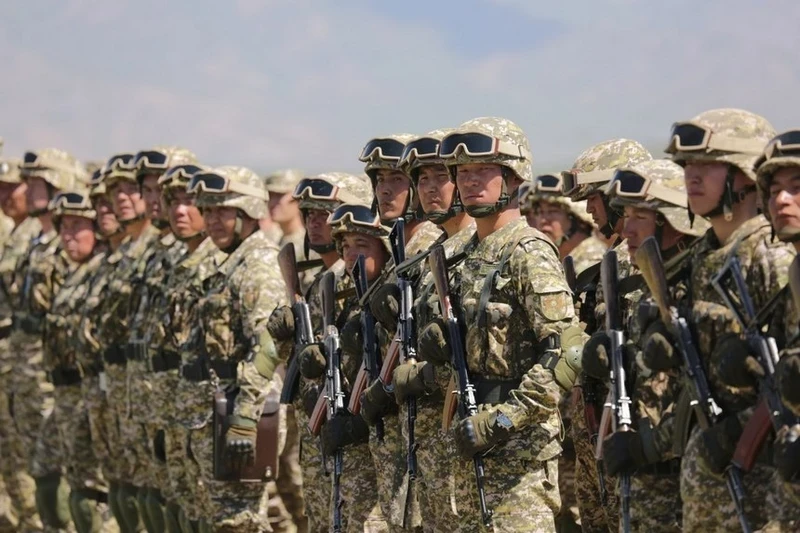
The focus is on the principle of deterrence, and in peacetime, the army's task is to prevent aggression.
Technological Progress: Drones and Digitalization
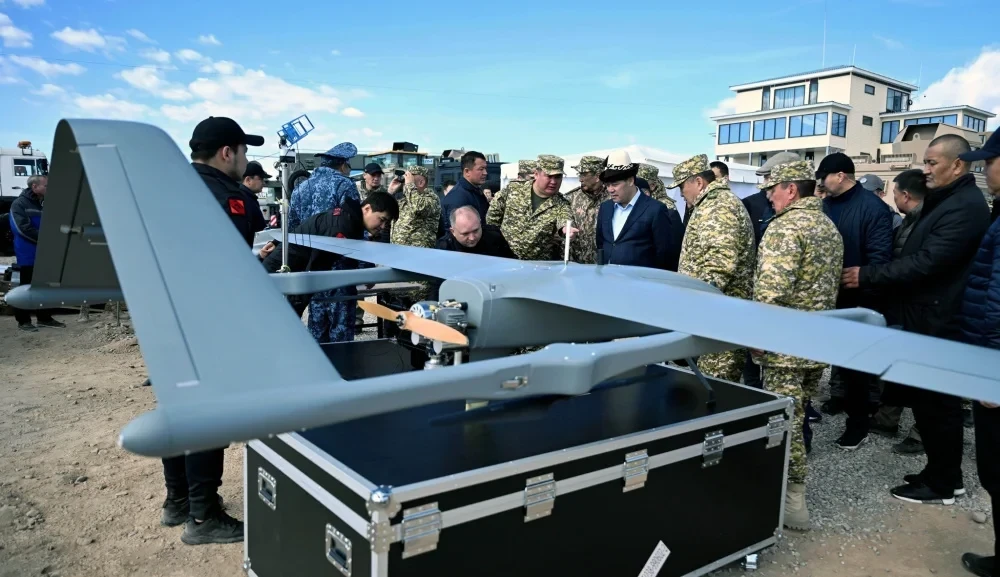
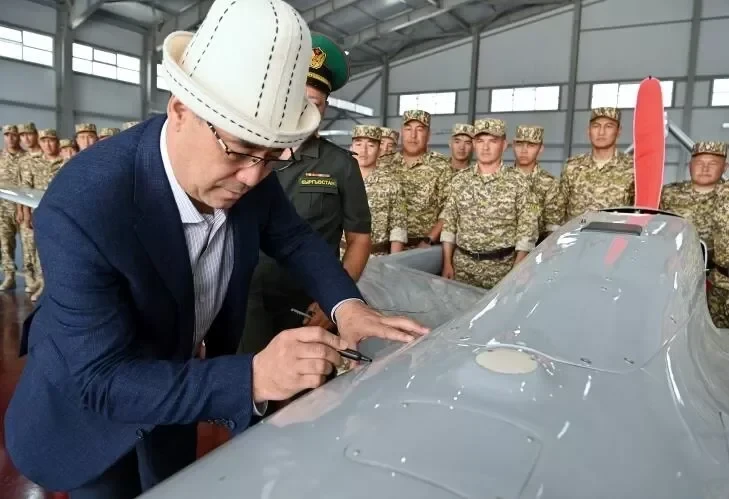
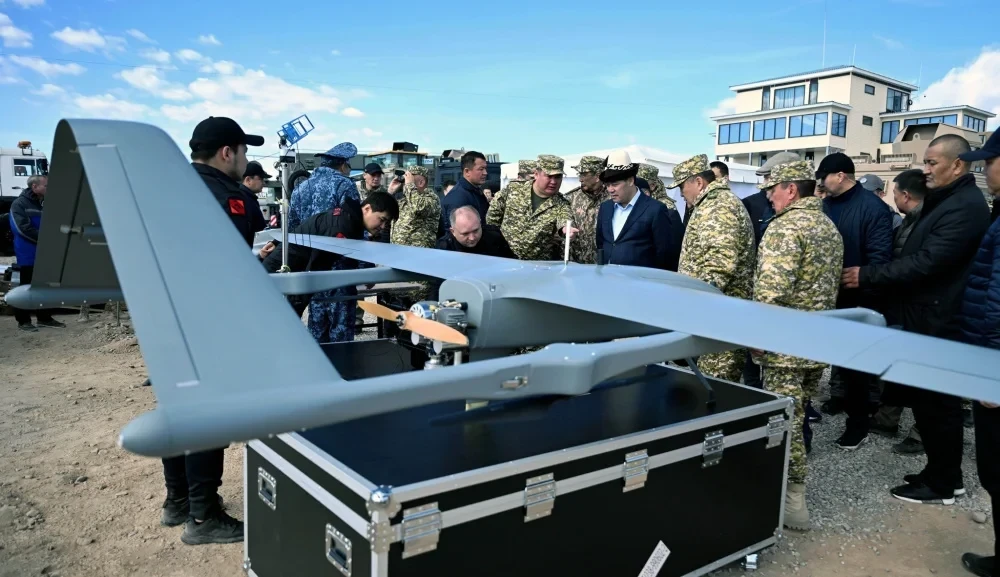
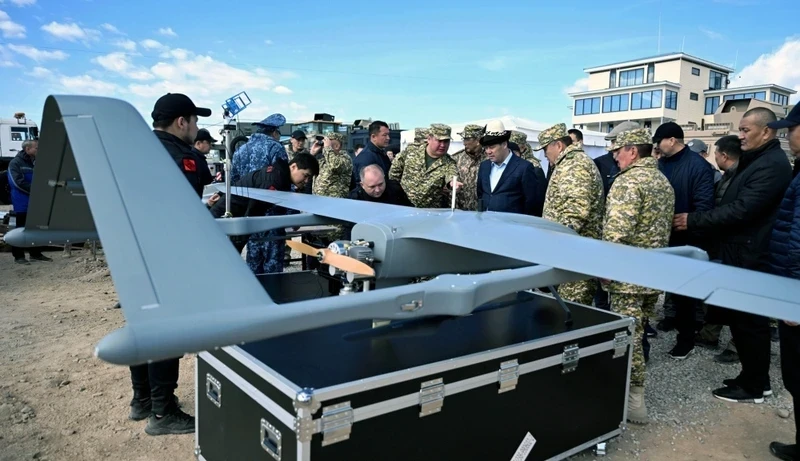
The modern army is changing its approaches. While tanks, helicopters, and infantry were once the main components, modern conflicts show that not only soldiers but also FPV drones play a key role, with battlefield distances increasing to 10 km.
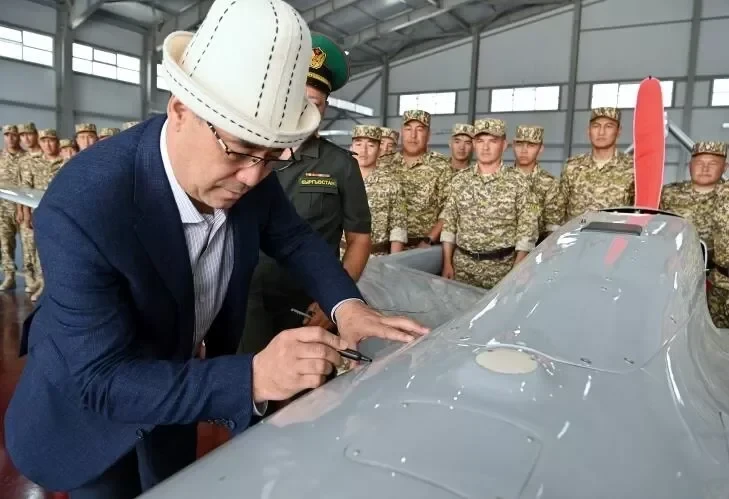
Kyrgyzstan has begun producing FPV drones and has already trained the first specialists to educate military personnel. Work is also actively underway on new combat tactics.
Engineering Measures on the Border
Previously, border protection was carried out only physically by border guards. Now, engineering means are being actively implemented: barbed wire, control and tracking strips, video surveillance systems, and drone monitoring.
The use of drones significantly expands control zones and improves response speed.
Service Conditions
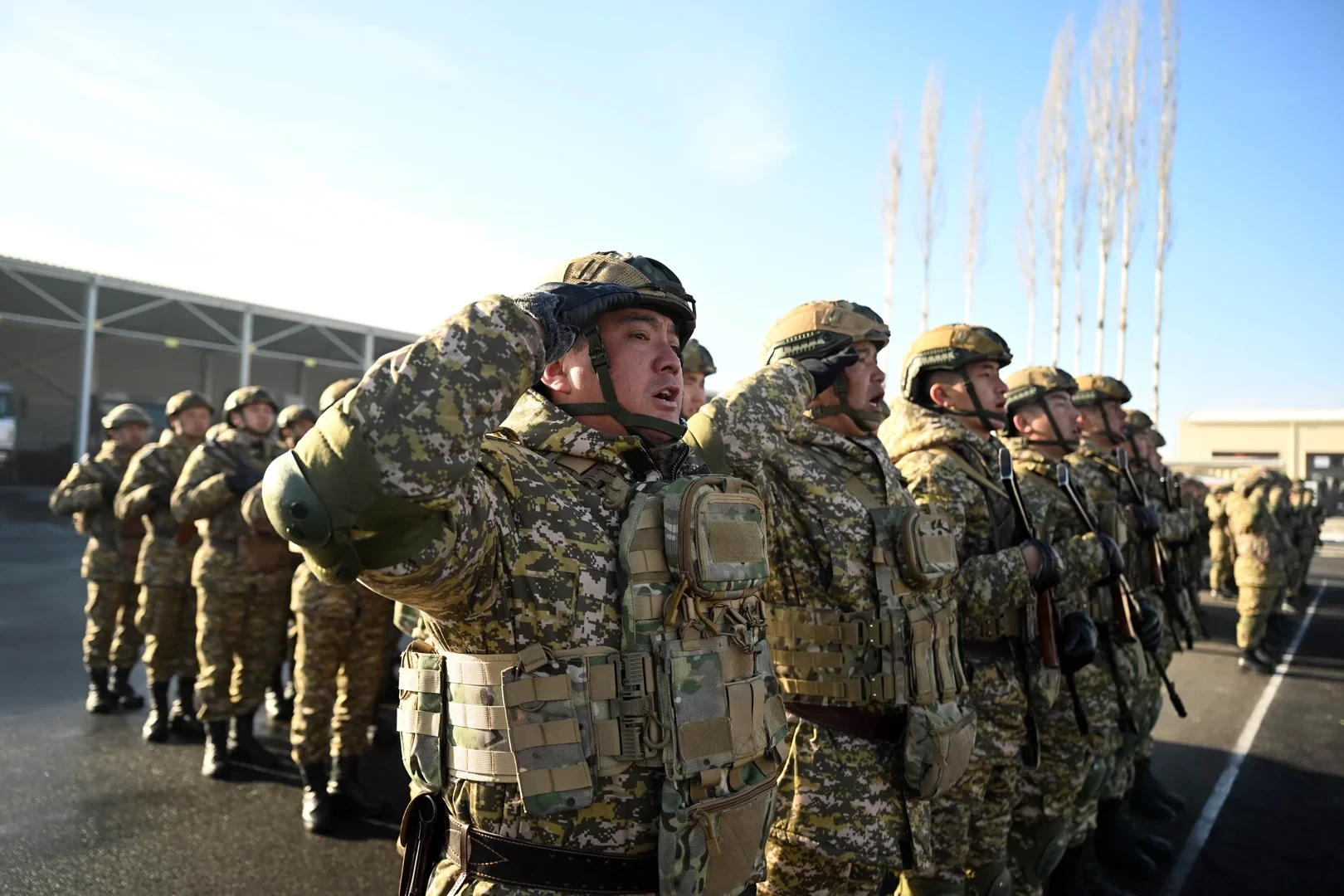
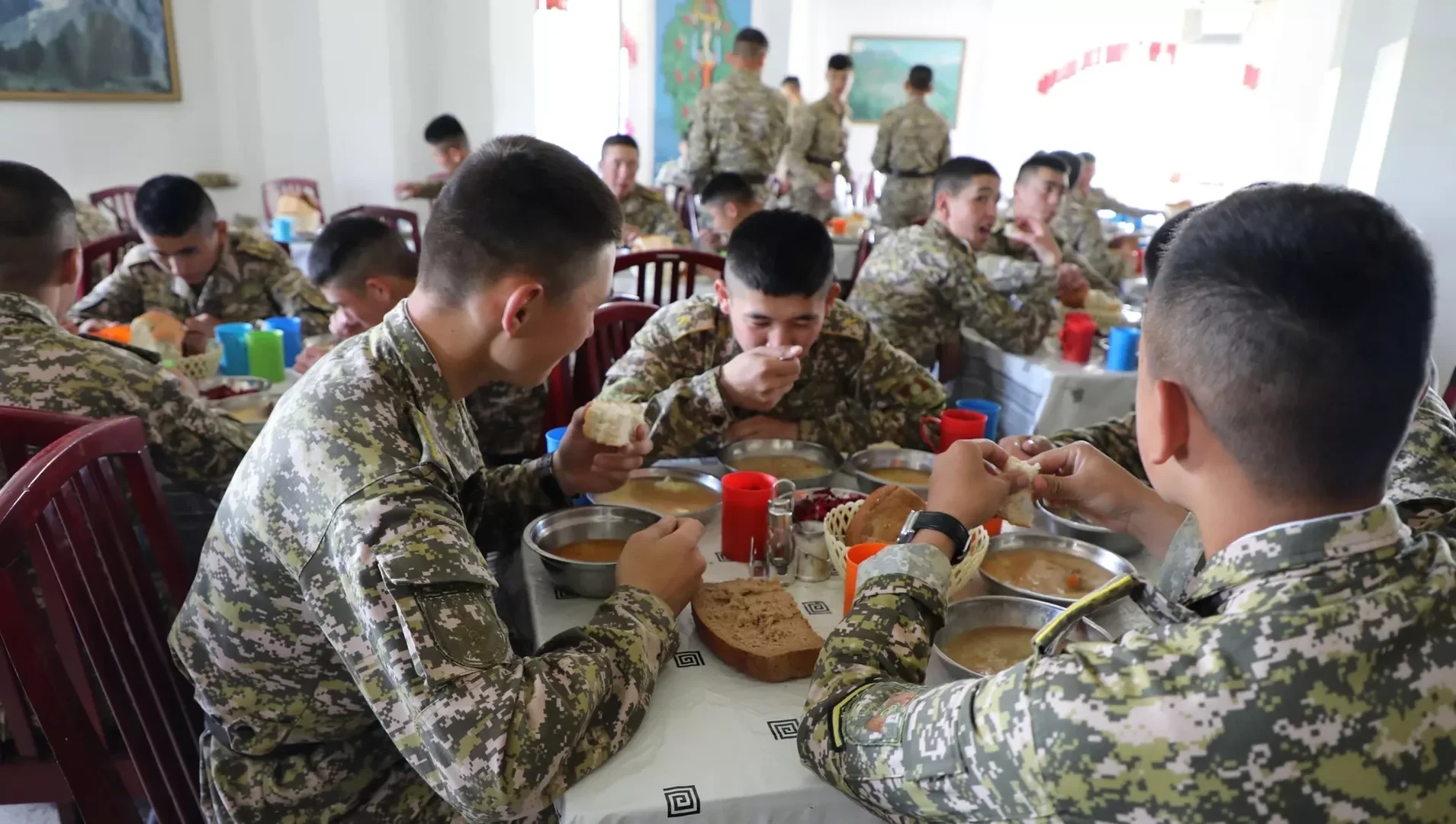
Significant improvements have occurred in living conditions:
- introduction of a cubicle accommodation system (7-8 people in a room instead of 50-100);
- modern sanitary conditions and mandatory availability of hot water;
- twice a year provision of uniforms for conscripts;
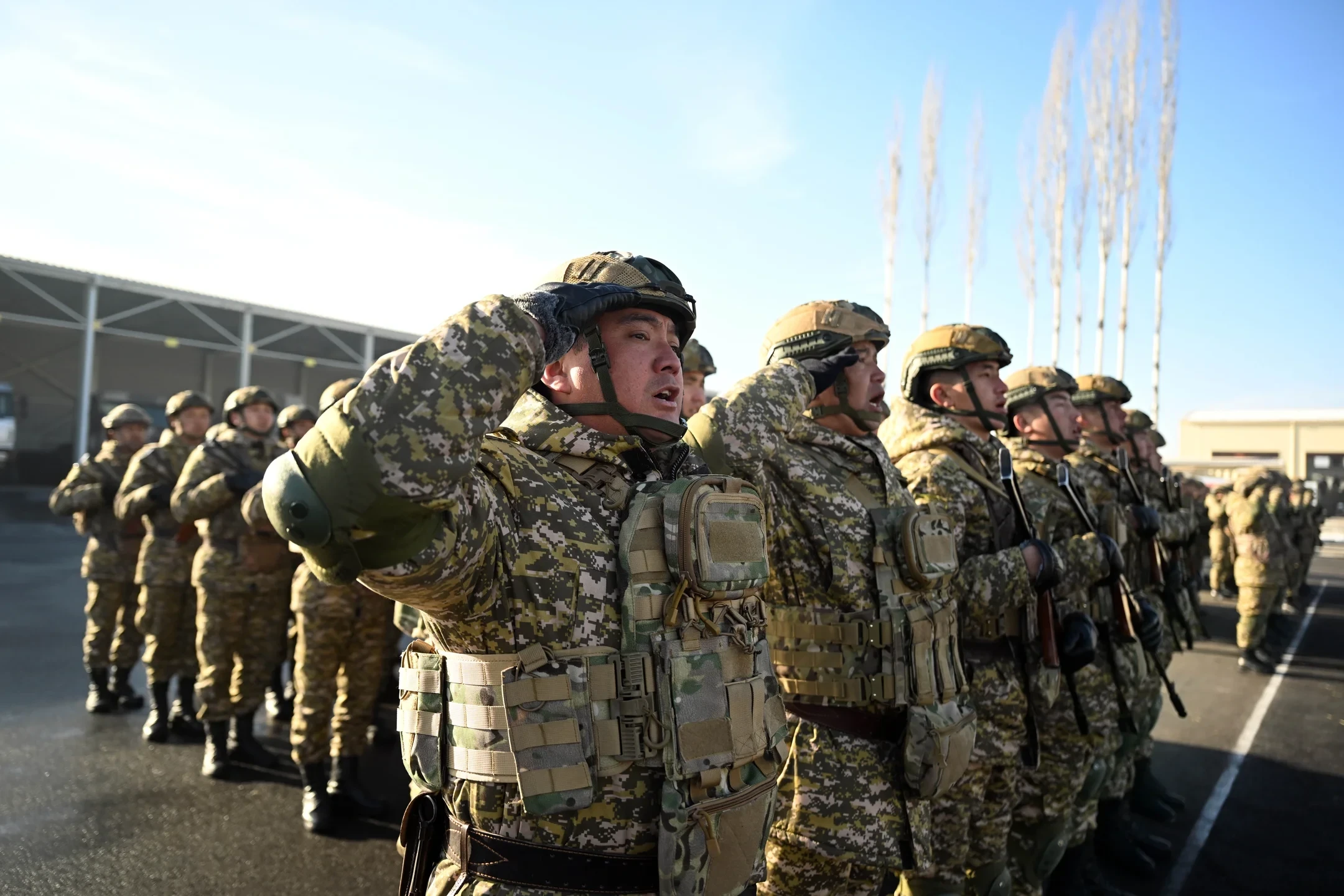
- full provision of all military personnel with uniforms.
New Nutrition Standards
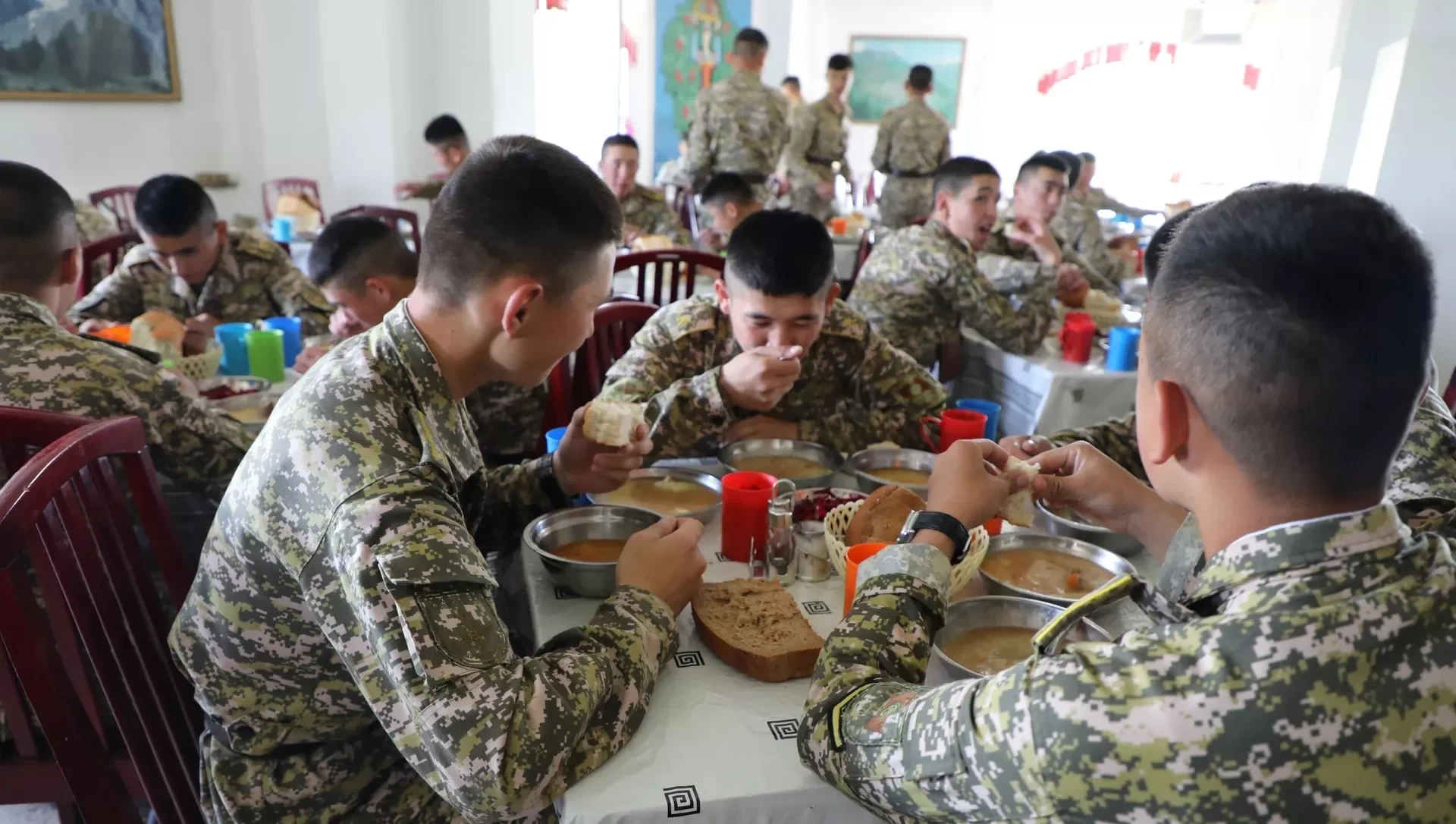
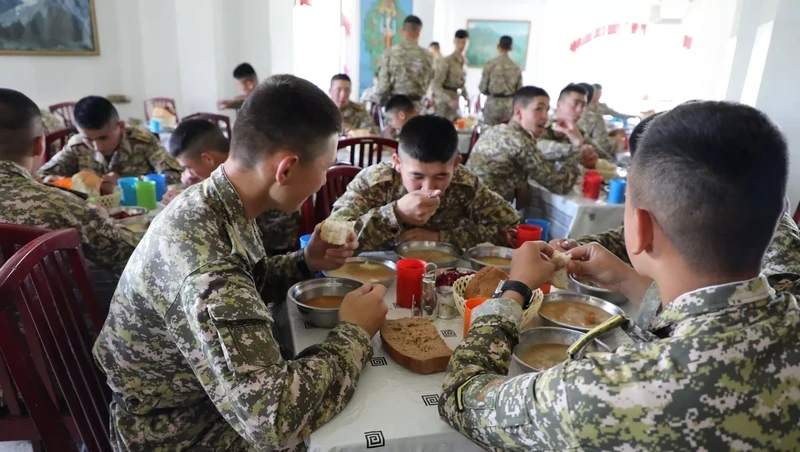
By the end of 2025, updated nutrition norms are planned to be implemented. Daily caloric intake will increase from 1800 to 4800 kilocalories, which is almost three times more. The diet will be developed considering the physical load of military personnel.
Doctrine and International Cooperation
The military doctrine has been updated with clarification of tasks and distribution of responsibilities. Security is viewed as a comprehensive process encompassing military, economic, and diplomatic aspects.
Kyrgyzstan actively participates in collective security mechanisms through the Collective Security Treaty Organization and in peacekeeping missions within the framework of the Shanghai Cooperation Organization.
Internal exercises "Mekenchil" involving all law enforcement agencies of the country are planned.
Defense Readiness
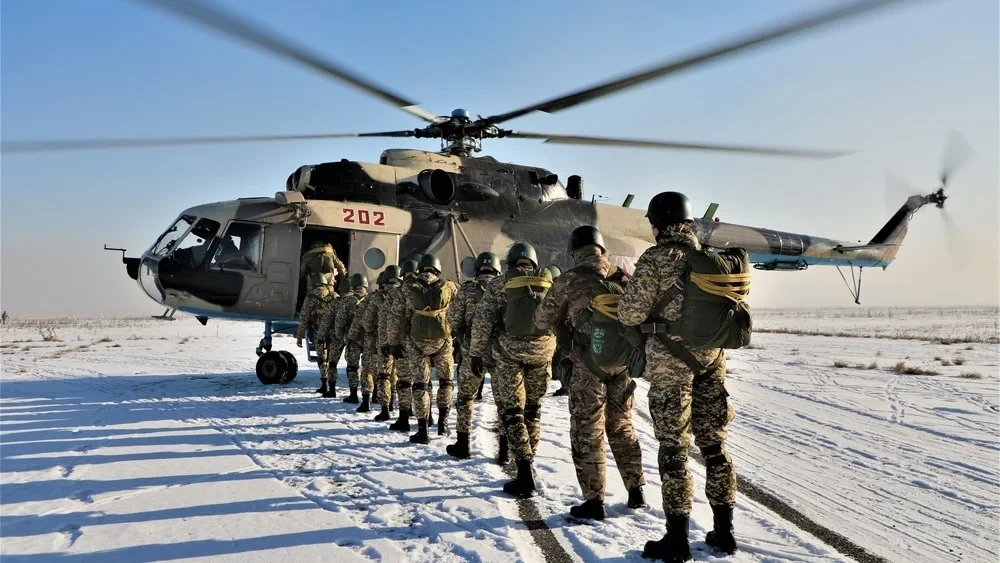
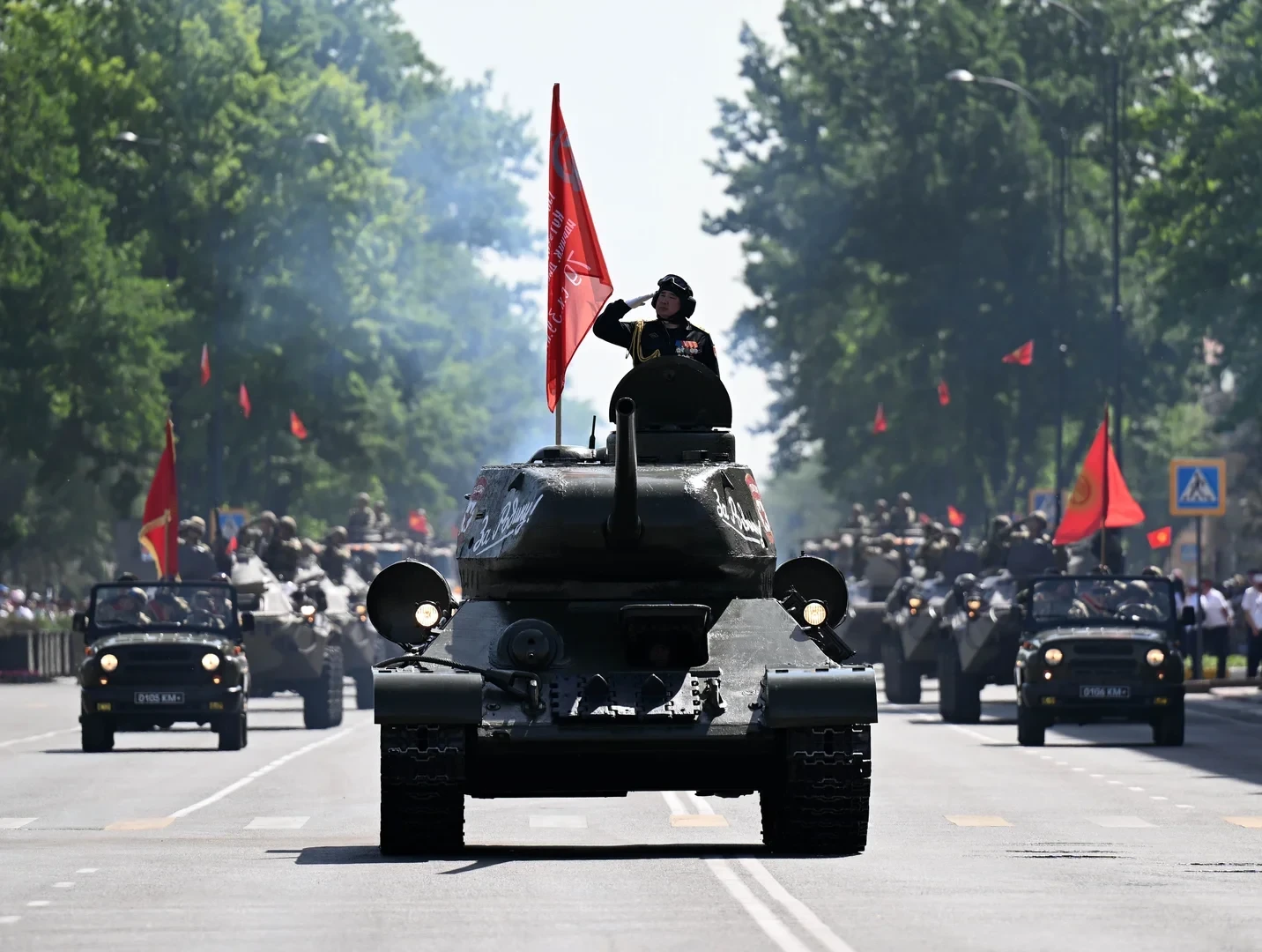
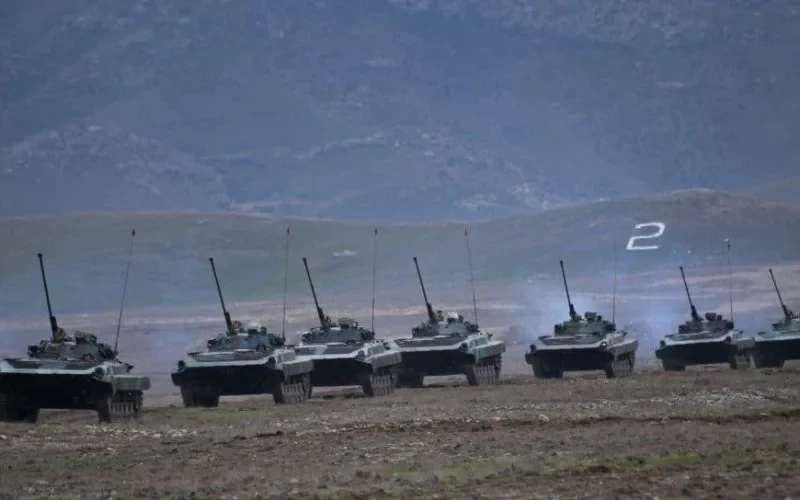
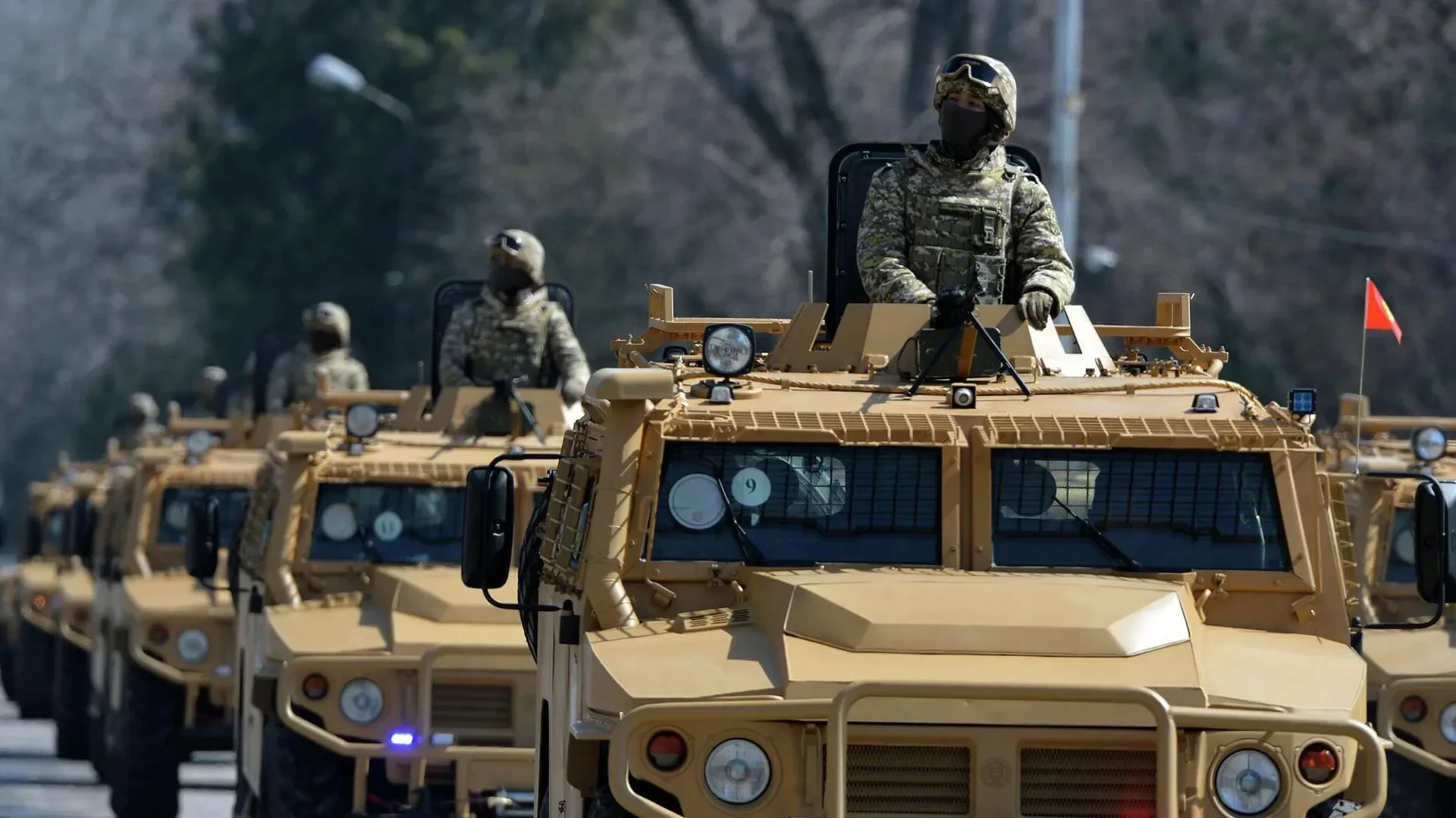
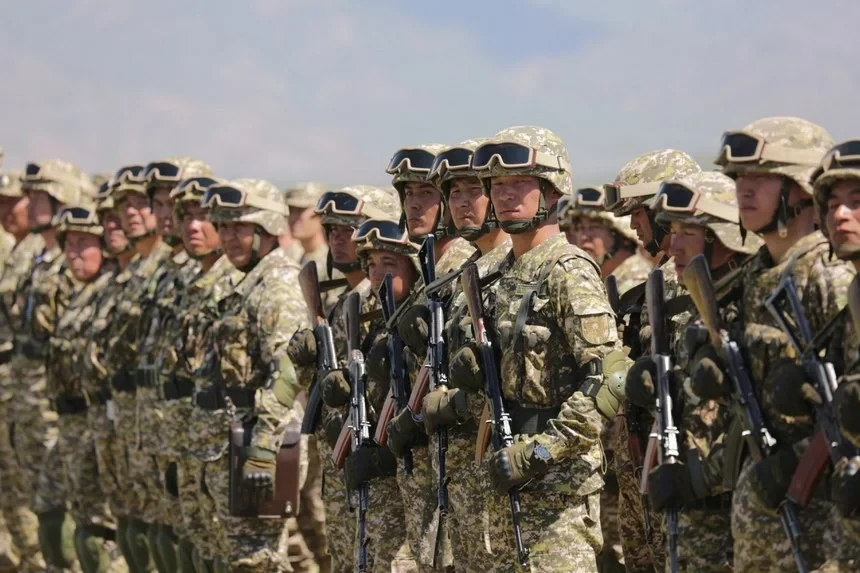
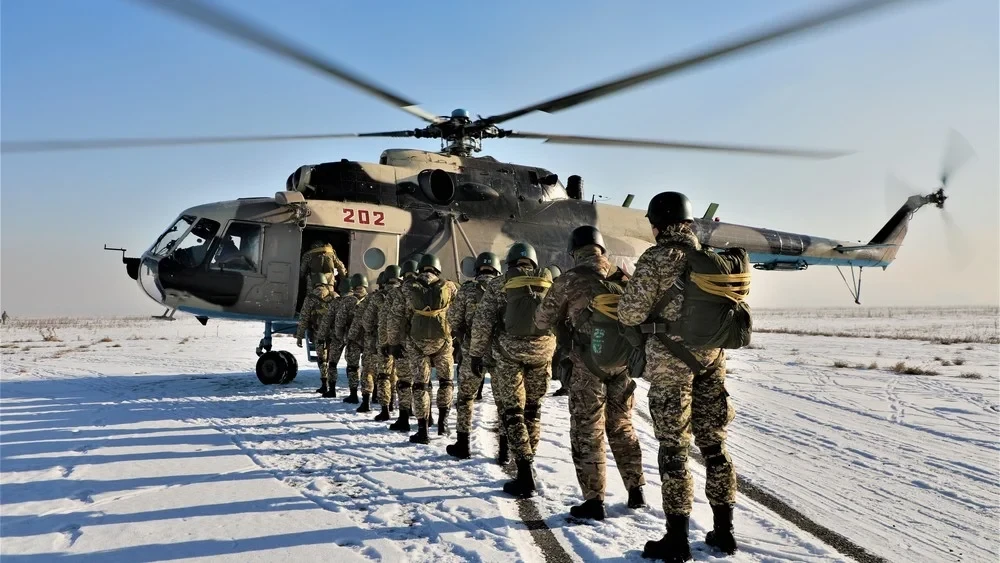
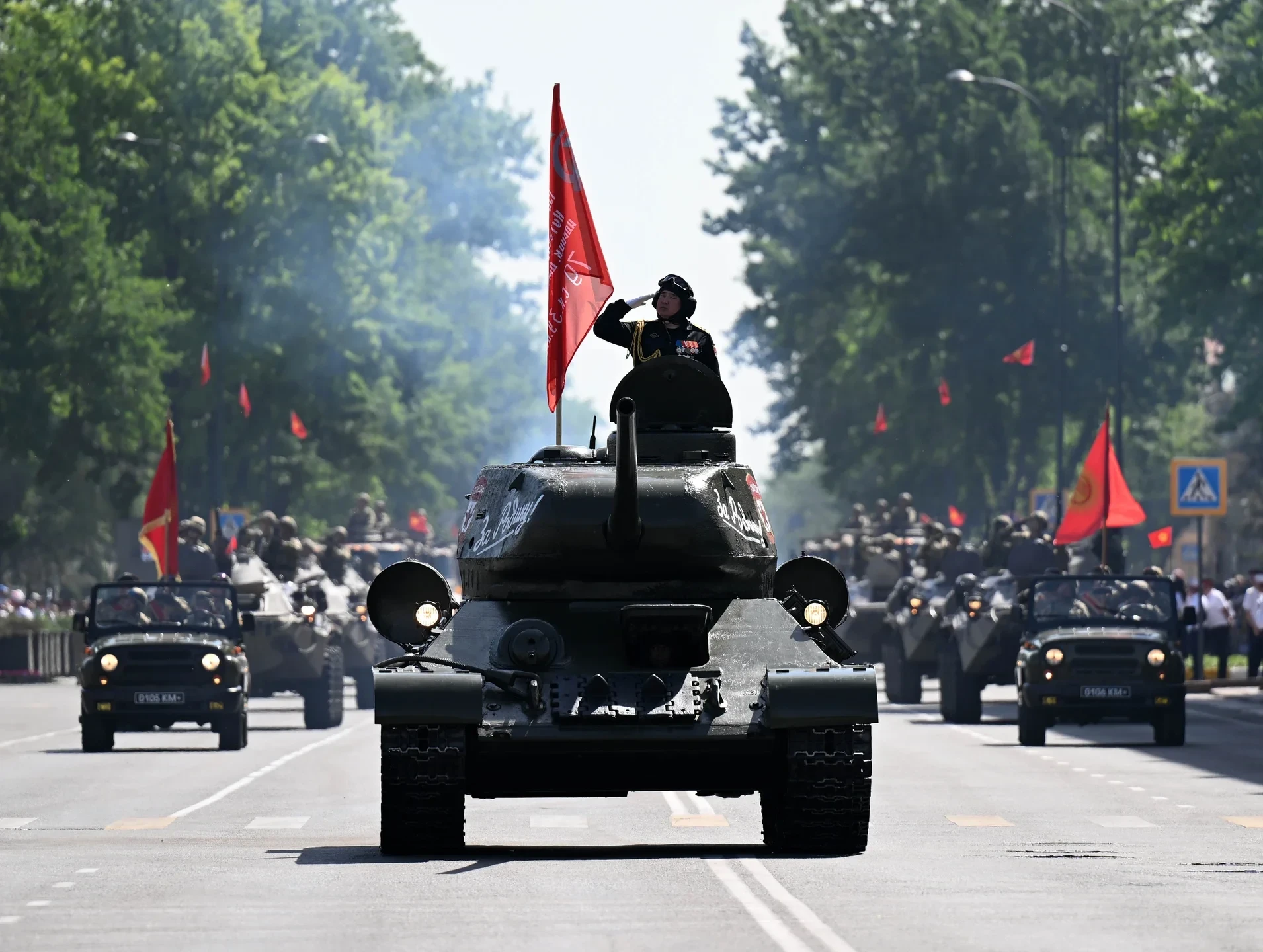
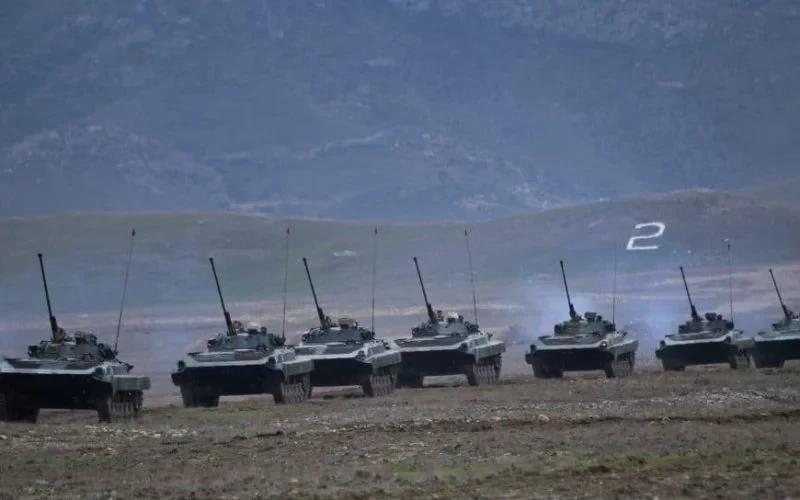
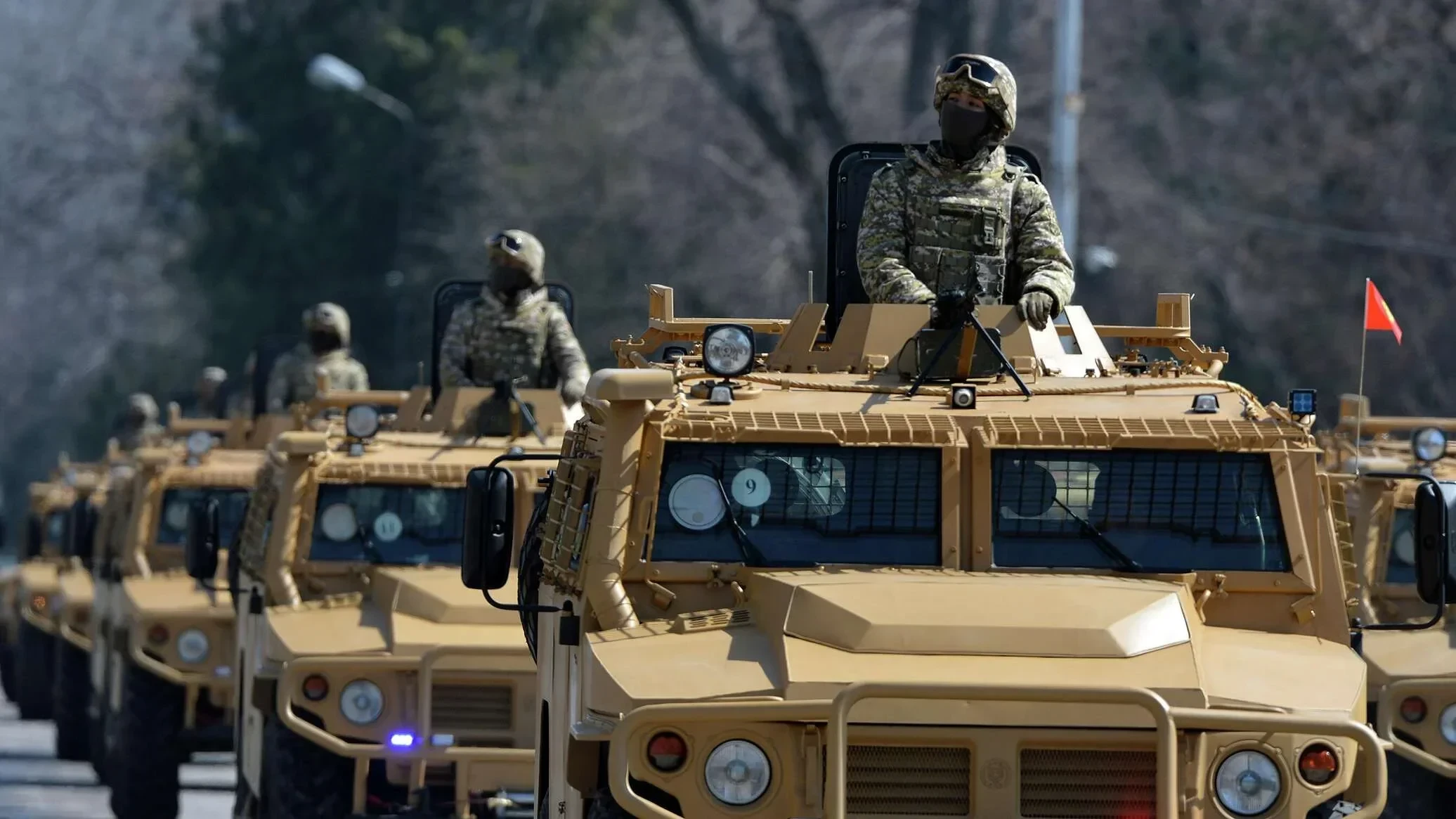
According to the General Staff, the size of the army ensures defense readiness. A phased modernization of weapons is being implemented, some of which is demonstrated at parades, but most capabilities remain classified.
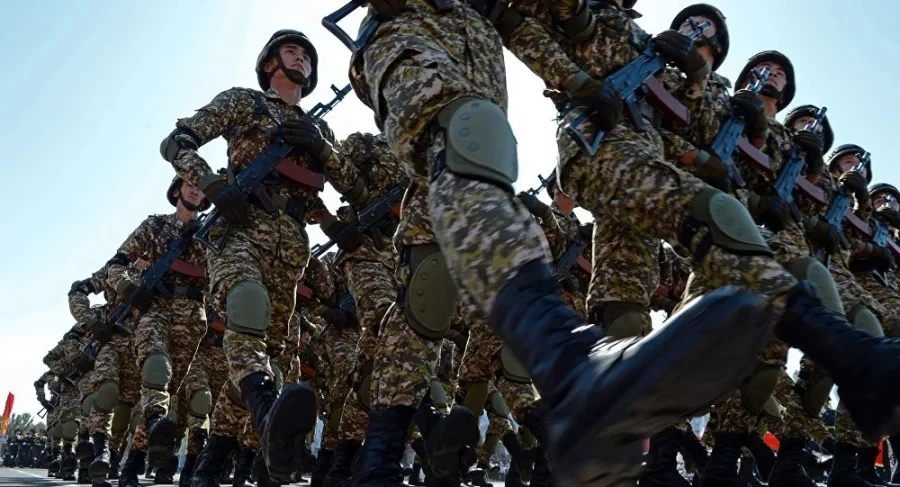
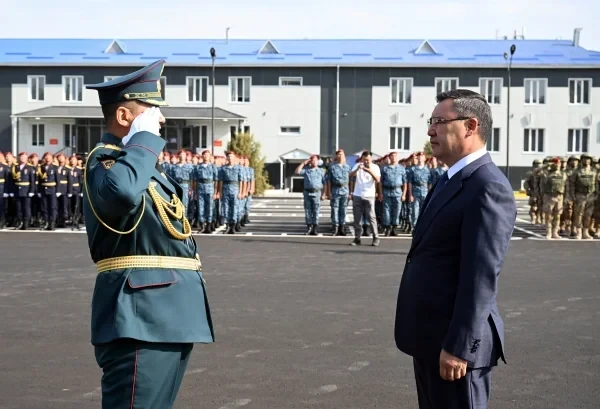
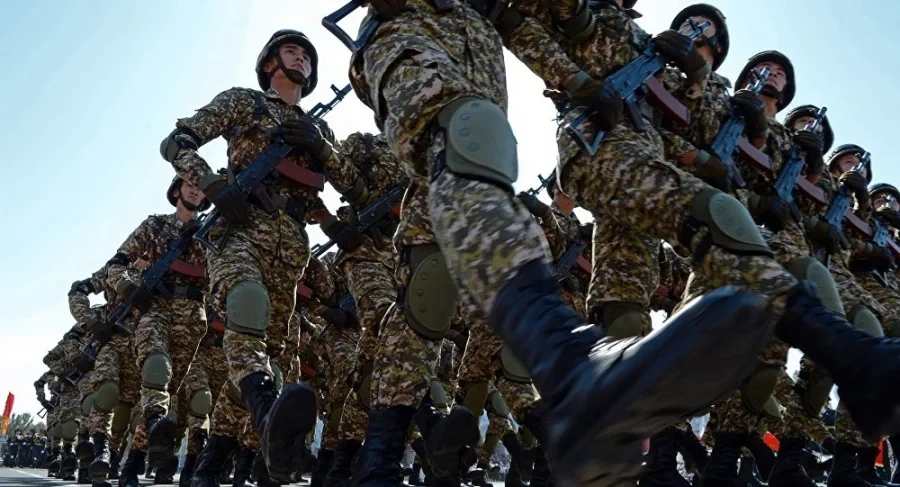
Over the past five years, the army of Kyrgyzstan has significantly strengthened its positions — both financially and in terms of technology and organization. The focus is now on professionalism, digitalization, and mobility.
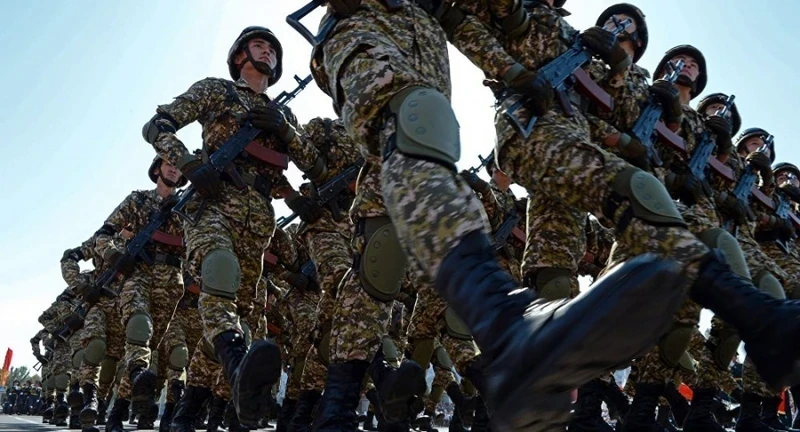
Today, the Armed Forces are perceived as a tool of strategic deterrence and a guarantor of national security, capable of adapting to new forms of warfare and regional challenges.
The reform of the army will continue with an emphasis on increasing combat readiness and developing military-patriotic education among the youth. ```


