
An important aspect for fish farmers is that the choice of feed is not just a question, but a result of the professional and technological approach of each individual farm. Farmers consider numerous factors, such as region, water quality, and stocking density, when selecting feed. Even minor changes in the formulation can lead to serious consequences, including fish mortality and environmental issues.
Industry representatives emphasize that feed costs constitute a major portion of expenses in aquaculture. In December of last year, the cancellation of VAT on imported feed was seen as a step towards stability. However, starting December 12, 2025, the tax will be reintroduced, which, according to fish farmers, will significantly increase production costs and lead to higher fish prices in the domestic market.
Producers have set a goal to increase fish production from 20 to 100 thousand tons.
Market participants assert that without the ability to import feed, achieving this goal will be extremely difficult. A ban on imports will lead to a feed shortage, increased costs, and reduced profitability, which will negatively affect production volumes and the country's export performance.
The industry also notes that efforts for import substitution have not yet yielded significant results. Key components, such as fish meal, fish oil, and vitamins, are still imported from abroad, maintaining dependence on foreign supplies.
Experts warn that a complete ban could lead to the growth of an illegal feed market and a decrease in tax revenues. Furthermore, Kyrgyzstan, as a member of the World Trade Organization, is obliged to adhere to international trade rules. Restrictions may cause dissatisfaction among partners and negatively impact the investment climate.
Fish farmers also emphasize that certain standards, such as HACCP and GlobalGAP, which many imported feeds possess, are necessary for successful trout exports. The absence of these standards could create barriers in external markets. At the same time, in Kazakhstan, the fish industry receives active government support, and such restrictions are not being discussed there.
In the event of worsening business conditions in Kyrgyzstan, some companies may consider relocating their projects to other countries.
The association stresses that local feed producers need time to establish the necessary technological base. Fish farmers believe that support for the industry should be provided through subsidy mechanisms and preferential financing, rather than through abrupt administrative measures.
The organization has stated its commitment to developing the fish industry and maintaining a balance of interests between the government, business, and consumers.
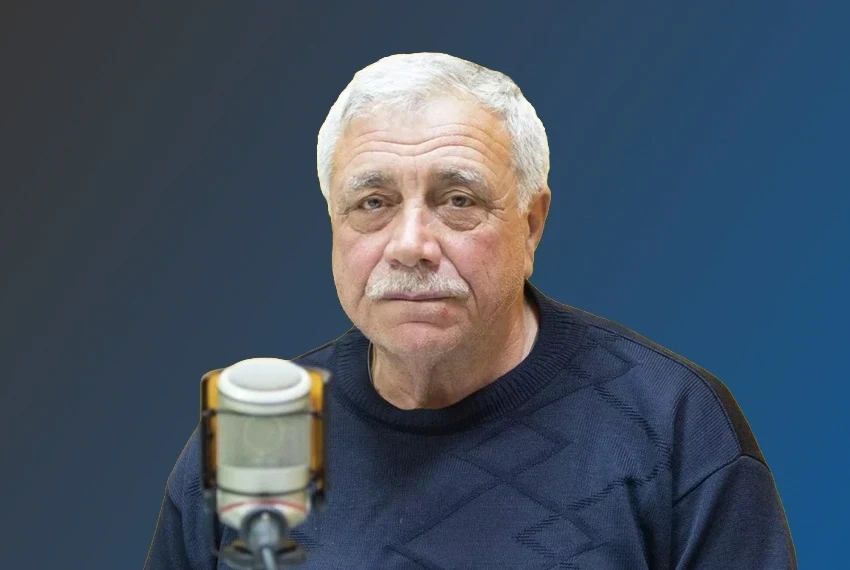
Renat Dosayev is the head of the Association of Fish Farms, a distinguished agricultural worker with over 50 years of experience. He has implemented more than 100 projects in aquaculture both in Kyrgyzstan and abroad. For over 20 years, he has led the association and is one of the most influential experts in the field of fish farming.


