
The agency emphasizes that the internet has become an important part of young people's lives, providing them with numerous opportunities for communication, learning, and development.
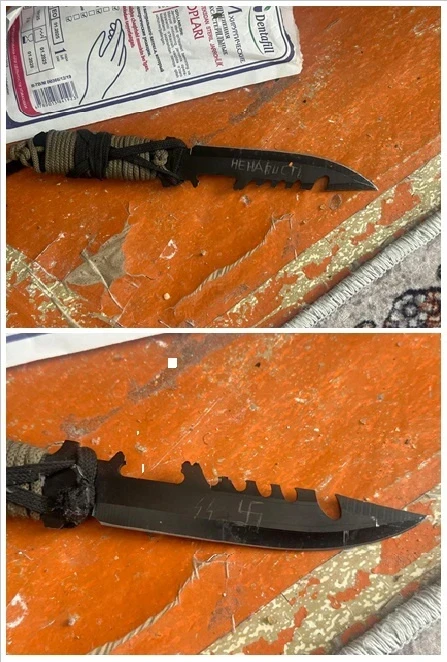
Nevertheless, there are many groups and individuals who use social networks and messengers to gradually involve minors in radical ideologies, including terrorism.Over the past six months, the GKNB has documented several cases of youth radicalization through online resources, where members of terrorist organizations recruit teenagers. Some of them were detained at the stage of preparing terrorist acts, studying instructions for creating explosive devices, while others had already begun their production.
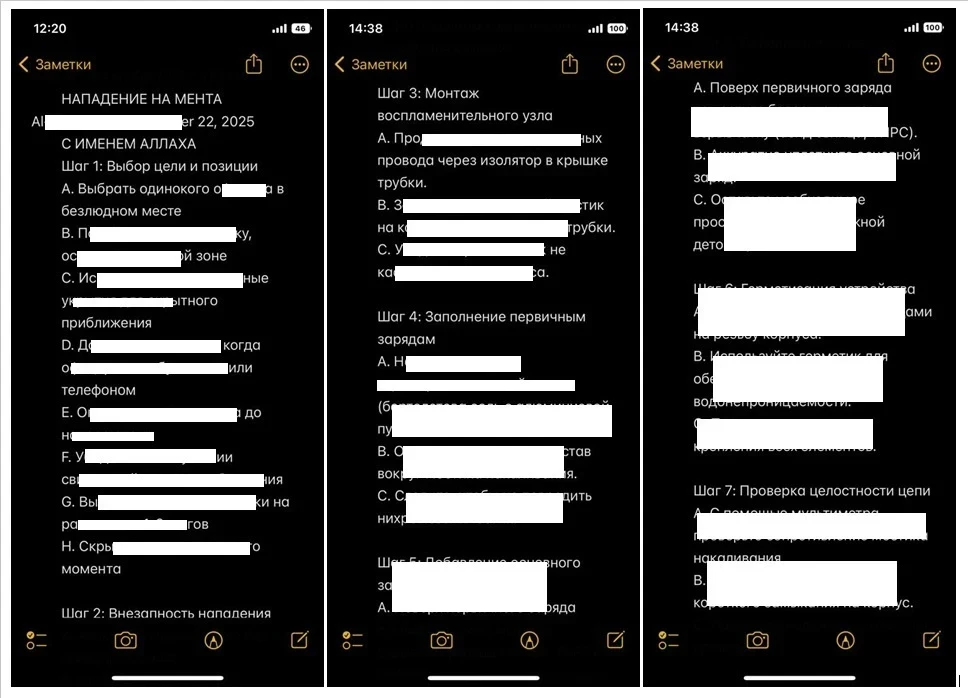
Photo by GKNB.
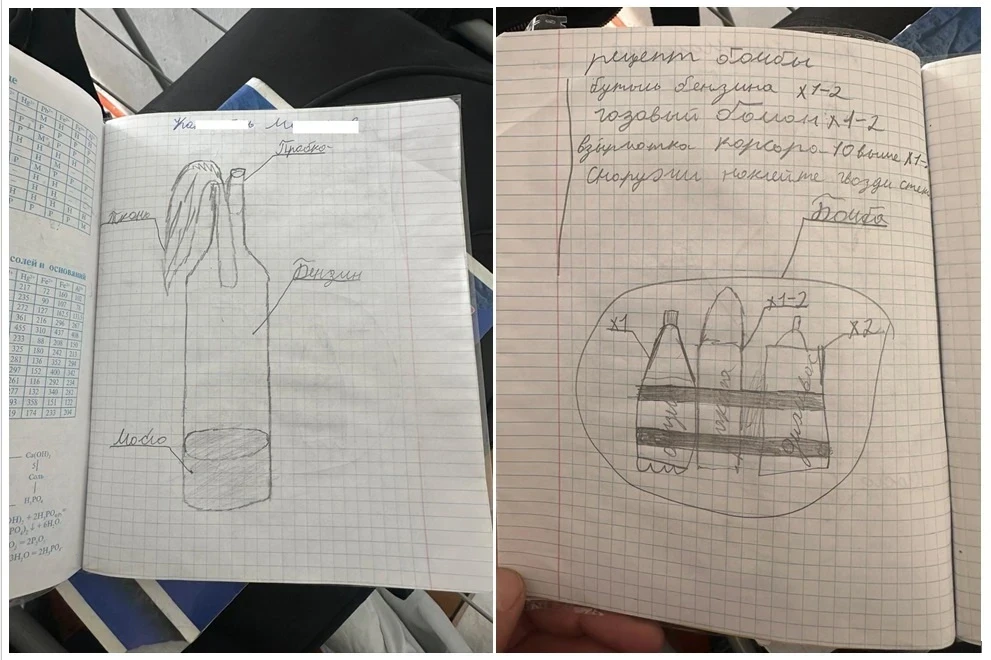
Photo by GKNB.
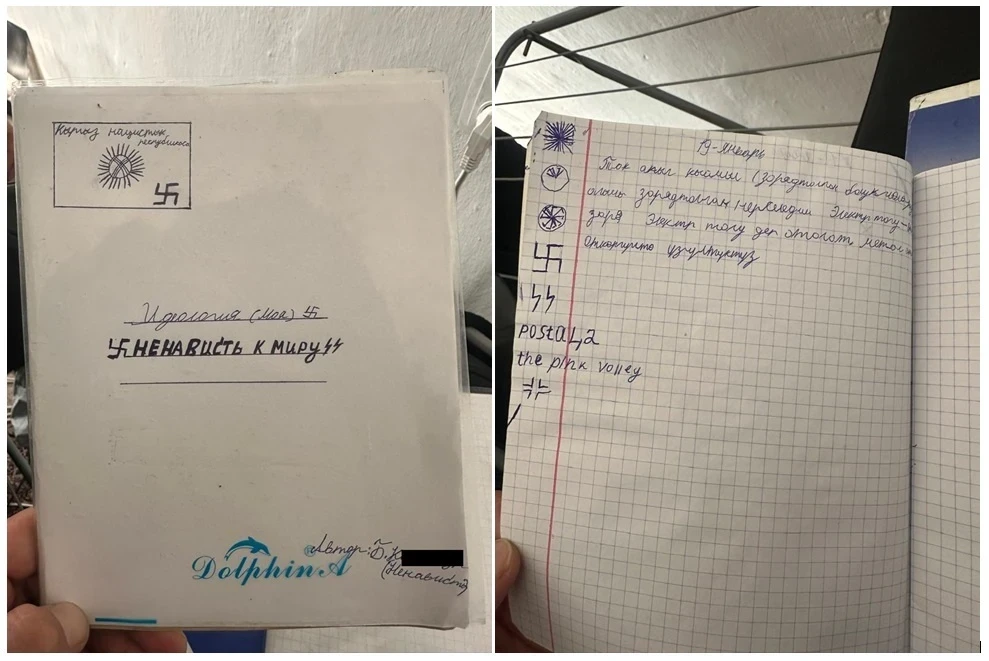
Photo by GKNB.
Photo by GKNB.
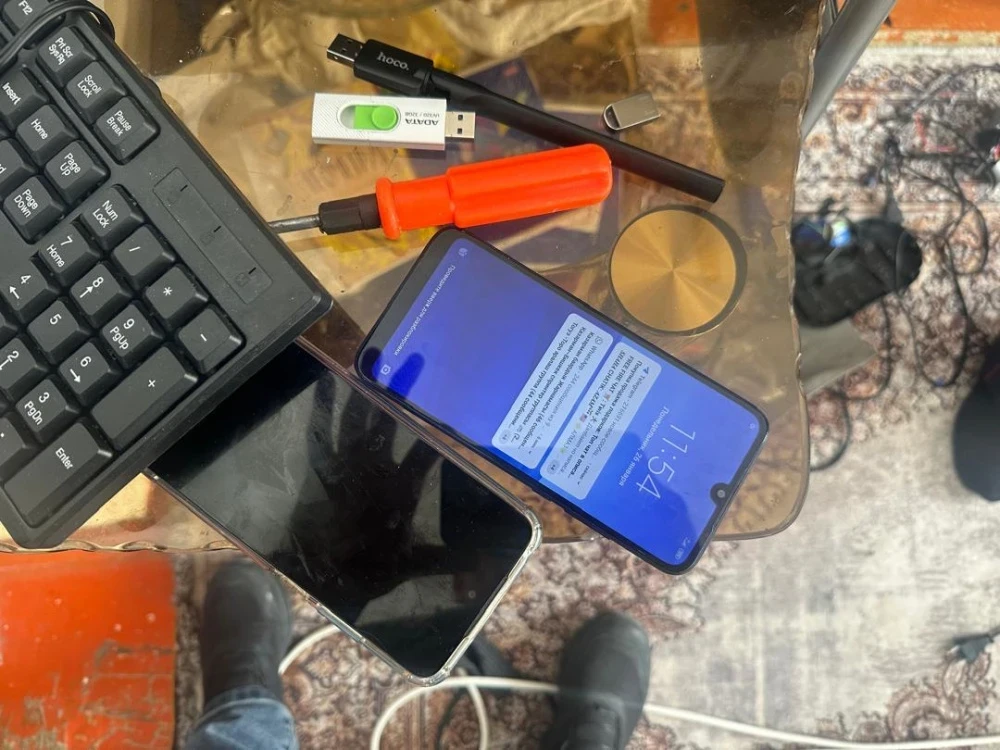
Photo by GKNB.
In the Kyrgyz Republic, such actions, including preparation for them, are considered serious crimes and entail criminal liability.The GKNB emphasizes that the process of radicalization often occurs unnoticed: through friendships, manipulation, and psychological pressure, as well as false promises. "As a result, the teenager begins to adopt extremist views that justify violence, leading to a change in their worldview and loss of social connections," the statement says. "Such involvement can have devastating consequences for the teenager themselves, jeopardizing their future."
Parents are advised to pay attention to the following alarming symptoms:
- obsessive interest in video games;
- significant changes in behavior, including withdrawal;
- removal from family and friends;
- expression of aggressive religious or radical beliefs;
- hidden contacts with strangers online;
- curiosity about dubious websites and closed groups;
- aggression towards parents and relatives;
- justification of violence or illegal actions.
Parental actions can prevent serious consequences for both teenagers and society as a whole.


