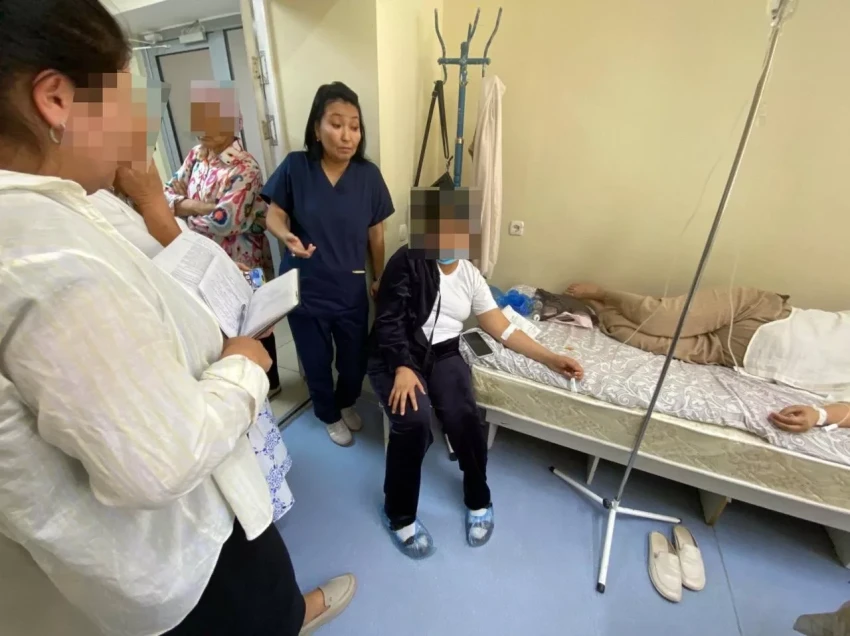
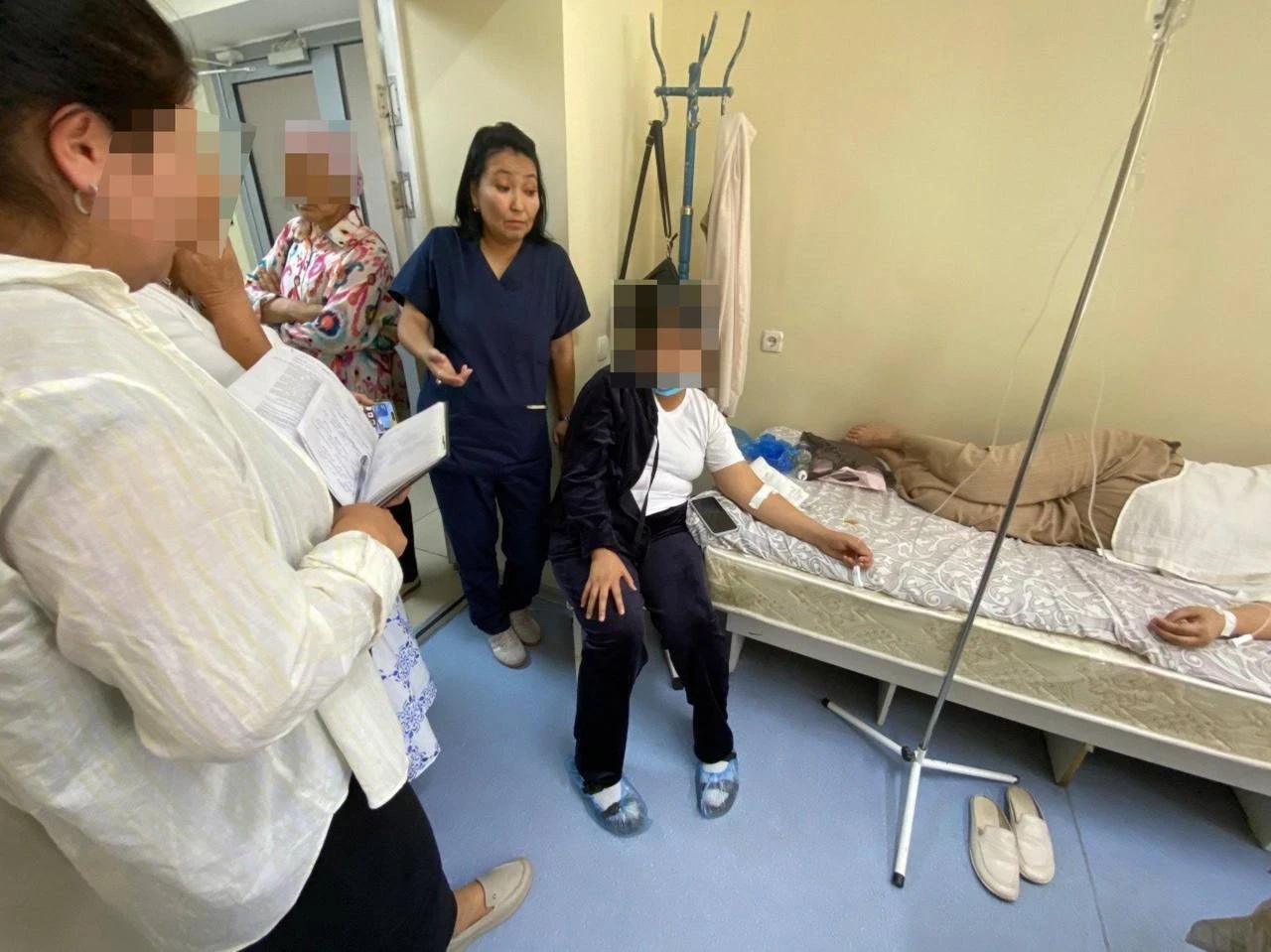
During the inspection, numerous systemic problems were identified, linking the low quality of oncological care to violations of patients' rights.
Hospitals are experiencing a shortage of linear accelerators, modern diagnostic equipment, medical specialists, necessary medications, and inpatient beds.
This situation not only worsens patients' health and increases mortality from oncological diseases but also leads to serious socio-economic problems for their families, as they are forced to turn to private clinics.
At the NCOH, there are sometimes queues for radiation therapy, and patients wait for treatment from one to two weeks.
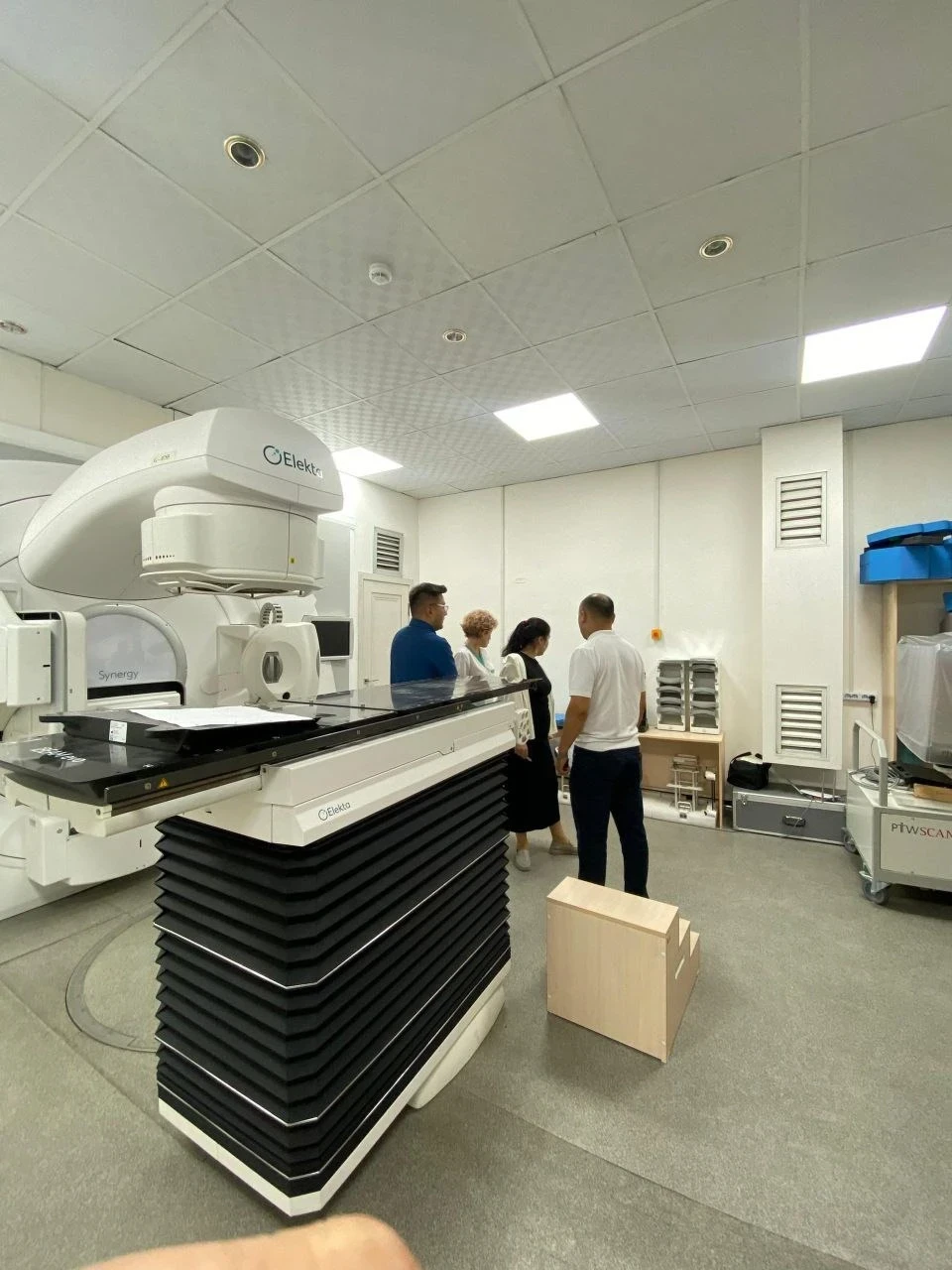
During the monitoring, which took place in August 2025, 34 patients were waiting to begin radiation therapy. However, of the three treatment machines, two linear accelerators (Elekta Synergy and Elekta Synergy Platform) were found to be out of order, and treatment was only being conducted on an outdated machine, the "Babatron".
Medical workers emphasize that delays in providing medical care can worsen the disease and threaten patients' lives.
Linear accelerators are only available at the NCOH, forcing patients from different regions of the country to travel to Bishkek for radiation therapy.
Even with three functioning machines, it is extremely difficult to provide timely treatment for all those in need.
According to the NCOH, only 25.6% of patients with newly diagnosed oncological diseases were able to receive radiation therapy in the past five years.
According to international standards, there should be one linear accelerator for every 300,000 people, and for a country with a population of 7 million, at least 20 such machines are needed.
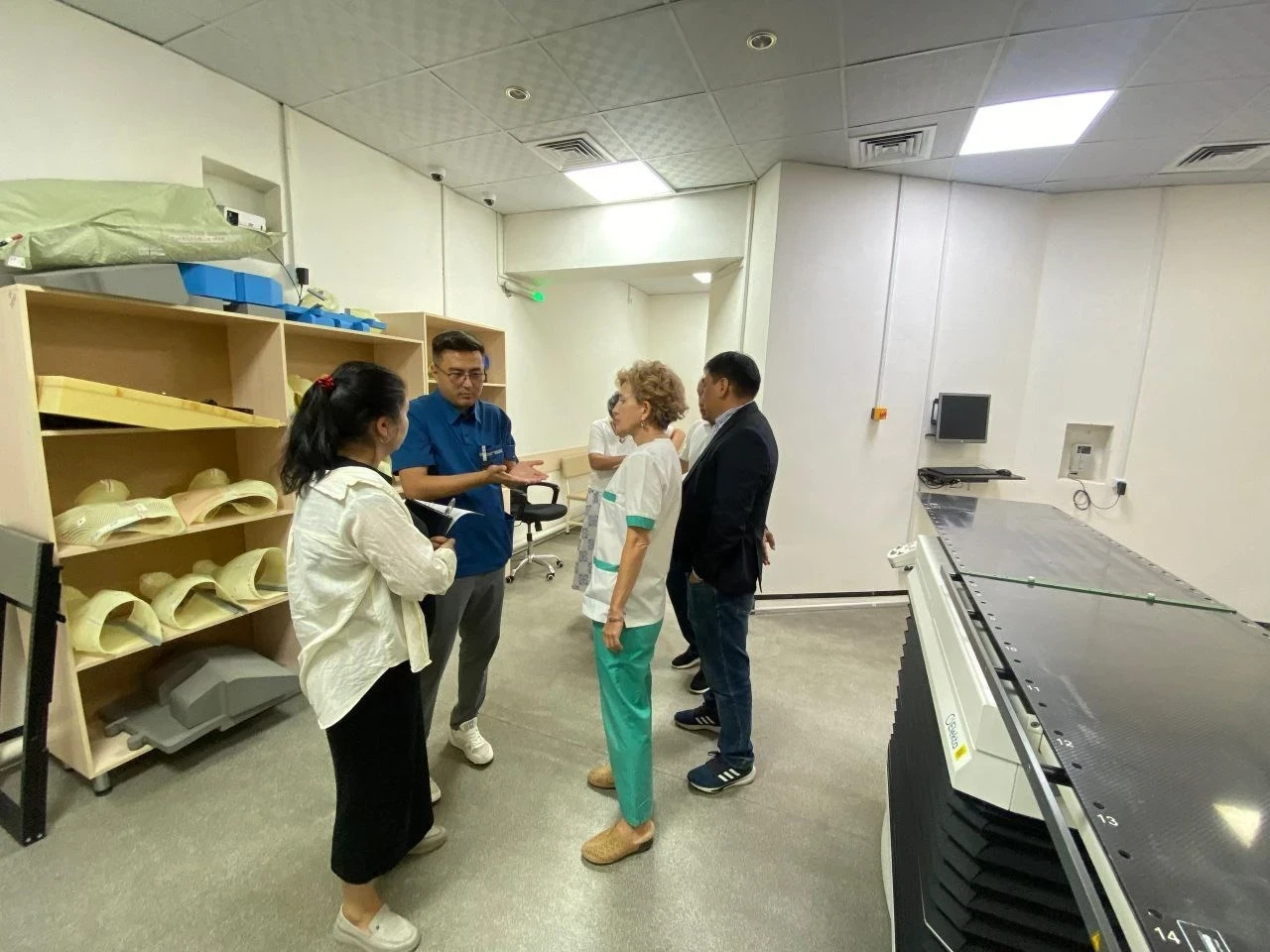
Additional difficulties in oncology are also created by the lack of specialized fixation devices, which are necessary to increase the accuracy and safety of treatment on linear accelerators.
At the time of the inspection, there were no thermoplastic masks in the radiation therapy department, and the available devices were worn out and deformed.
Human rights defenders noted that there was no possibility to conduct full procedures for children in the radiation therapy department, as there were no pediatric thermomasks available.
The results of the monitoring showed that it is difficult to talk about early diagnosis of oncological diseases in the country due to outdated equipment and limited technical capabilities.
Only one ultrasound machine and one outdated mammograph, operating since 2014, were functioning in the center. There was also a lack of angiographs, modern endoscopic, and laparoscopic systems.
Ombudsman Jamila Dzhamanbaeva called on government agencies to ensure the realization of citizens' constitutional right to health protection and access to quality and timely medical care.