
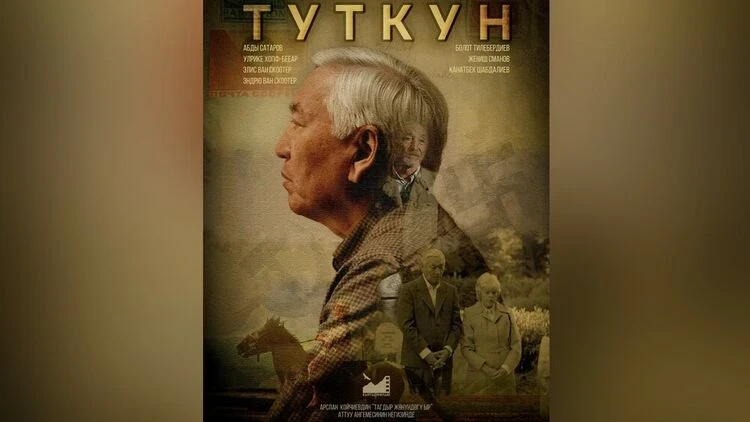
December 24, 2025. The Ala-Too cinema in Bishkek is packed. The premiere of the film "Tutkun," created by Temir Birnazarov, attracted not only regular viewers but also true connoisseurs of Kyrgyz cinema, eager to see something deeper and more original than the recent commercial films. Some viewers, unable to find seats, sat right on the steps.
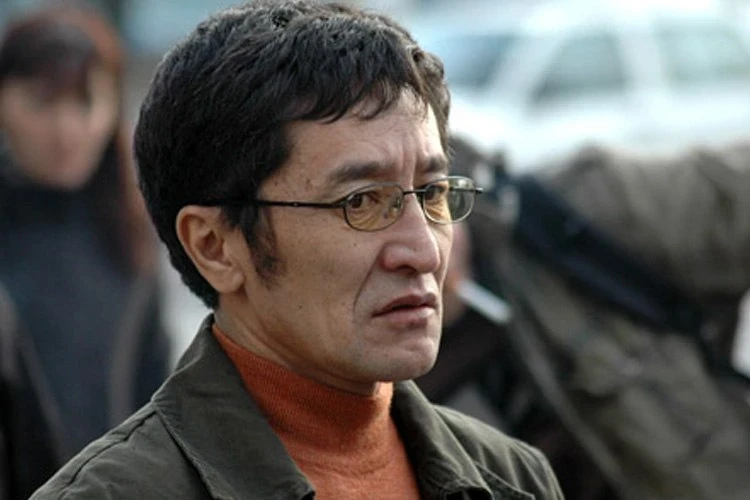
Temir Birnazarov is already known for his film "Belgisiz Marшrut" ("Unknown Route"), which made him a notable figure in the film industry. His new work "Tutkun" is based on a story by Aslan Koichiev, who recently became the state secretary.
All the prerequisites for success were present: a strong literary foundation, a talented director, and state support of 24 million soms through "Kyrgyzfilm."
The plot of "Tutkun" tells the story of Kalymurat, who during the war is captured and remains in Germany, not returning to the USSR. He starts a family, marries, raises a daughter named Kanykey, but throughout his life he is tormented by nostalgia for his homeland. The past, memories, and a sense of guilt do not leave him in peace.
Kalymurat constantly appeals to the official authorities of Kyrgyzstan, asking to return him to his homeland or at least restore contact with his relatives. However, his letters go unanswered. One of them catches the attention of the KGB, which sees him not as a person with a tragic fate but as a potential threat.
A KGB representative arrives in Kalymurat's native village, finds his relative, and stages a "happy life" for the family without him. Then, on his behalf, he sends a letter to Germany, declaring Kalymurat a traitor who has renounced his homeland.
When Kalymurat receives this letter, his hope for return is finally shattered. He suffers a heart attack and dies in the hospital, never returning home either physically or spiritually.
The film ends, leaving the audience with a sense of disappointment.
The problems of "Tutkun" begin to manifest themselves from the very first minutes. In the first ten minutes, viewers watch a silent scene in a school corridor, where the KGB is searching for a character involved in a love intrigue. This does not create tension but rather tires the audience.
Next, the same character is presented as a comic hero, but the actor playing the KGB officer does not convey the image of a security service employee. Instead, he looks like an ordinary neighborhood cop. The KGB storyline, which was supposed to be central, turns out to be flat and unexpressive.
When the action shifts to Germany, the film comes to life a bit. Kalymurat, now Helmut, lives with his wife Greta, makes a komuz and saddles, reminiscing about his childhood in the jailoo. His daughter Kanykey brings a musical instrument from Berlin, but it turns out to be a dombra, raising the issue of a language barrier, although this topic is only briefly mentioned.
The film lacks full scenes where father and daughter communicate in Kyrgyz. If Kanykey does not know Kyrgyz, then why introduce this motif? It does not develop and does not lead to an internal conflict.
It is evident that Temir Birnazarov aimed to convey a deeper thought than just a story about the tragic fate of a prisoner of war.
The film was supposed to be about captivity without barbed wire, about the tragedy of lost identity.
However, the director lacked the artistic means to evoke the emotional response he hoped for from Kalymurat's story.
The film does not have the usual dramaturgy, catharsis, or redemption. The ending remains hopeless, and the audience does not experience emotions but only raises questions. Moreover, Birnazarov chooses a cold, alienated style, where characters become symbols rather than heroes with whom one can identify. Perhaps this enhances the philosophical subtext, but it negatively affects the audience's emotional engagement.
"Tutkun" found itself between genres and expectations.
It could be classified as a war drama, but it is not a film about war. It can be perceived as historical, but history is secondary here. A social drama, but it is too abstract. In the end, "Tutkun" did not meet the expectations of the audience and does not conform to the usual festival standards.
Viewers came to "Ala-Too" hoping to see a film comparable to "Belgisiz Marшrut," perhaps even more mature. But, unfortunately, Temir Birnazarov presented a completely different work. And, alas, this film is perceived as a serious step back in his career.


