
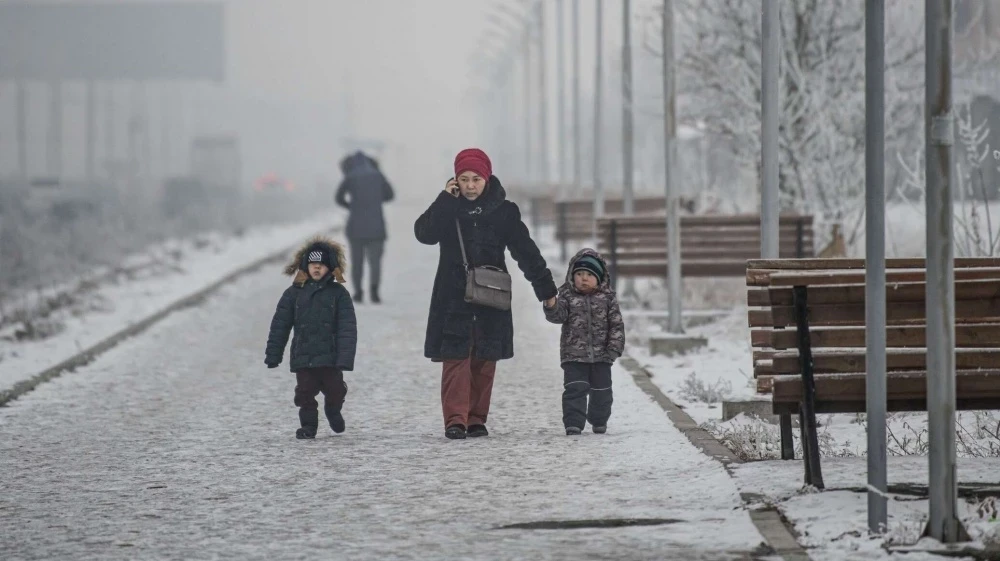
Several large families have turned to the editorial office of VB.KG, each family with a unique story but sharing one common problem: a lack of social support for children in the fields of culture, sports, and leisure. In their opinion, large families do not receive any benefits for visiting museums, theaters, or sports facilities, which justifiably causes protest. They are calling for the creation of a program similar to Russia's "Pushkin Card," which would allow children to participate in cultural events for free or at significant discounts.
One of the petitioners, Anara, who is raising four children, shares her difficulties. Her food budget takes up a large portion of her income, leaving insufficient funds for cultural events for her children. She recounts how her children have begun to feel guilty about the family's financial problems. "My daughter said, 'Mom, if we weren't here, you would be very rich.' The children understand everything," Anara admits. The woman points to the closure of free clubs and restrictions on access to school stadiums, which, in her opinion, fosters class resentment among children and pushes them towards questionable activities. "A lot is said about Aitmatov in Kyrgyzstan, but what would he say about today?" the mother wonders.
Kubat and Saniya, parents of three children, have faced indifference from the entertainment industry. Visiting shopping centers has become a real challenge for them, as some play areas require an adult to accompany each child, making relaxation impossible for a large family. They believe that the country lacks a well-thought-out policy for domestic children's tourism and the organization of quality outdoor leisure activities. In their opinion, urban parks could become places for enlightenment with "health trails," educational excursions, and workshops for children, as is done in other countries.
Unfortunately, the city center has become a zone of increased danger: teenagers on electric scooters pose a threat to families with small children. City residents are also concerned about the state of Dubovy Park, where unique sculptures are in a neglected condition, causing confusion among children. Kubat and Saniya emphasize that a child's environment at an early age shapes their personality. If children see neglect and indifference, it is hard to expect them to develop a love for order and beauty in the future. Large families in Bishkek hope that their call will be heard, and that a program supporting children's leisure will emerge in Kyrgyzstan, as investments in culture and sports are investments in a safe and educated society of tomorrow.


