
In an interview provided to 24.kg, volunteers spoke about an outstanding dog named Barkhan, their experience working in Turkey after the earthquake, and how they search for children, as well as why they have to take taxis to calls despite their important mission.
Barkhan: the founder of the center and an unusual tracker
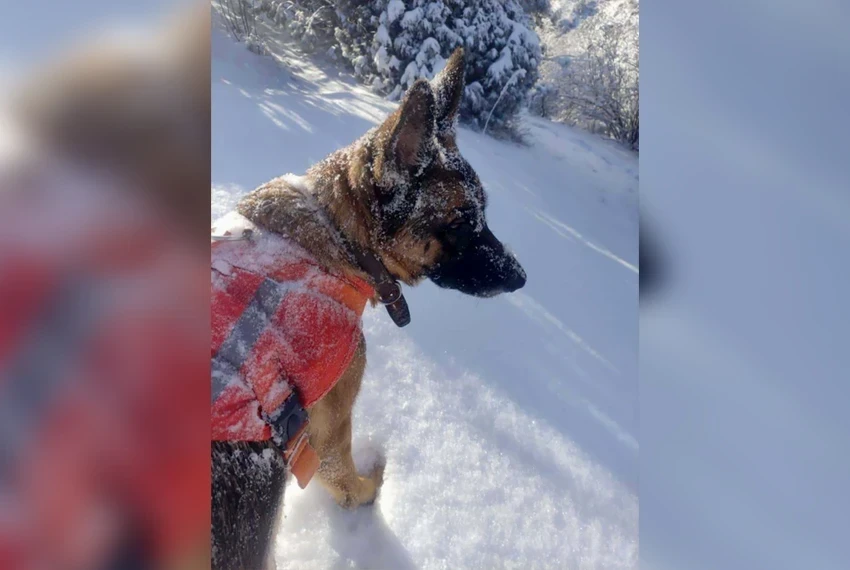
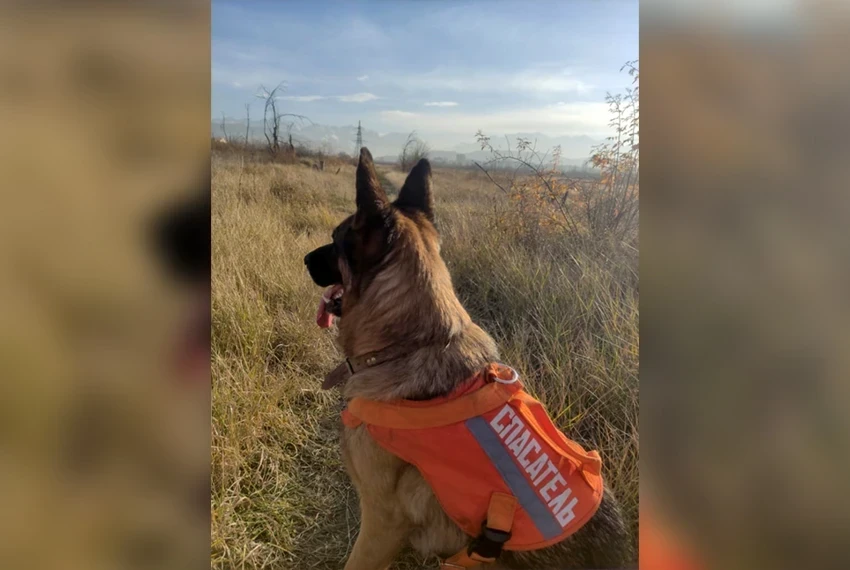
The "Rescuer" canine center began its activities in 2019 with a German Shepherd named Barkhan, a brilliant tracker, according to the center's chairwoman Elena Gatyzhskaya, who is also a canine specialist and trainer.
Barkhan was determined to find people, and the process of searching brought him joy.
The first serious challenge for Barkhan and Elena occurred when they were searching for an elderly woman who had disappeared in Bishkek near the "Dordoy" market. After several days of fruitless searching, they were invited to help. Barkhan indicated places where the woman might have been, but the trail soon went cold, and it turned out later that she had moved to another area. Unfortunately, the woman was later found dead.
Following this incident, they searched for a missing child, and Barkhan once again demonstrated his outstanding abilities, which spurred the creation of a full-fledged canine center.
LiSa: Barkhan's heir and a versatile tracker
Several months later, Barkhan had a daughter named LiSa (emphasis on the first syllable). She inherited her father's talents but proved to be more independent. While Barkhan primarily worked as a tracker, LiSa, affectionately called LiSunya, became a versatile tracker, successfully finding people both on land and in water.
Canine specialists explain that dogs search differently depending on the circumstances. In the first hours after a person goes missing, they can catch even the smallest scent particles, but after a few days, the trail becomes harder to track as scents settle in various places.
When it comes to bodies of water, dogs rely on the scent of decomposition that rises above the water. Even if a body ends up on the shore, searches are conducted from a boat, where the scent is preserved.
In real searches, canine specialists trust only the dogs. Relatives may indicate a direction, but if the dog points in another direction, the rescuers follow its lead, as canine noses are not fully understood, but over the years of work, they have never let them down.
Searches in Kemin: Overcoming Difficulties and Hope
In September 2025, a child went missing in the Kemin district. About a thousand people participated in the search, including volunteers from Kazakhstan.
During the search, the boy's slipper was found, which raised suspicions of abduction. Three days later, LiSa joined the search, revealing that the child's trail led to a river, and the search continued on the water.
On the seventh day of searching, hope was fading: the large number of people and dust hindered the dog's work.
Relatives asked the canine specialists to go over the area with the shepherd one more time, more for comfort. LiSa began sniffing the child's belongings, and when one of the men brought out a bag with a baby blanket, she suddenly dashed towards him and buried her nose in the blanket, then headed towards the river.
This confirmed that a trail had been picked up, and a boat was needed. The organizers did not have their own boats, but two were provided from Kazakhstan. The rescuers quickly figured out the mechanism and set off in search.
Unfortunately, the child was found drowned.
The Emotional Side of Searches: How Dogs Cope with Loss
The results of search dogs' work do not always mean finding a living person. Even if the trail goes cold, the dog indicates a direction, which helps rescuers change tactics and check hospitals, shelters, and neighboring areas. Finding a body is also a result, allowing relatives to bury their loved one.
However, for dogs, such discoveries can be a heavy burden. Frequent searches for the deceased can diminish their motivation, and to avoid this, special training sessions are conducted where conditions are created as if the dog is finding a living person. This helps restore their enthusiasm for work, as they, like humans, need emotional support.
Onli: The Only Search Dog in Kyrgyzstan
Onli is the only active search dog in the country, which means that all the search workload falls on her. Nevertheless, she has already successfully found three living people.
Onli is an energetic German Shepherd who came from Kazakhstan. Canine specialist Svetlana notes that the now six-year-old dog is a full-fledged citizen of Kyrgyzstan and has a passport.
During our conversation with the canine specialists, Onli showed a desire to work, looking around cautiously and preparing for action. Svetlana shares that meeting Elena means the start of searches for Onli, and the dogs always crave that moment.
Currently, the center has only a few people working: canine specialists Elena, Svetlana, and Dmitry, as well as senior coordinator Melina. This small team bears all the responsibility for searches and organizing work.
Lack of Support: Why Rescuers Use Taxis
Canine specialists note that rescuers and other volunteers in Kyrgyzstan receive virtually no government support. Unlike many countries where there are presidential grants for such individuals, Kyrgyzstan lacks this, despite volunteers cleaning Lake Issyk-Kul and searching for the missing.
The issue of training dogs also remains relevant. There are training locations, but access to them is limited. The city has many abandoned sites where dogs can be prepared for emergency work, but they cannot train in the same place.
All resources of the volunteers go towards maintaining the dogs: treatment, prevention, equipment, and training. This requires significant expenses, but for them, it is a way of life.
The center does not have its own vehicle, so they have to move by taxi, and not all drivers are willing to take dogs. Often, kind people come to the rescue.
New canine specialists are not emerging, as all equipment must be purchased with personal funds, and there are no training conditions. The center is constantly looking for volunteers with dogs, with simple requirements: age from four months to five years, no fears or health problems, and vaccinations are required. All breeds are suitable except brachycephalics.
The Importance of the "Golden Hour": Why You Shouldn't Delay Reporting a Missing Person
Legislation does not require waiting three days to report a missing person. The police are obliged to accept the report immediately.
It is important not to waste time. The first hours are the most critical: cameras can be tracked, witnesses can be interviewed, and searches can begin while the trail is still fresh. After contacting the police, canine specialists can be called immediately, as they cannot start their work without a report. Often, they are approached by employees of the Ministry of Internal Affairs and the Ministry of Emergency Situations, with whom the center has a cooperation agreement.
Assistance in Turkey: How the Center Organized Its Mission
After the devastating earthquake in Turkey, the center independently offered its help. Due to a lack of seats on the Ministry of Emergency Situations flight, the trip was organized at their own expense. One compassionate individual purchased the necessary equipment for the rescuers.
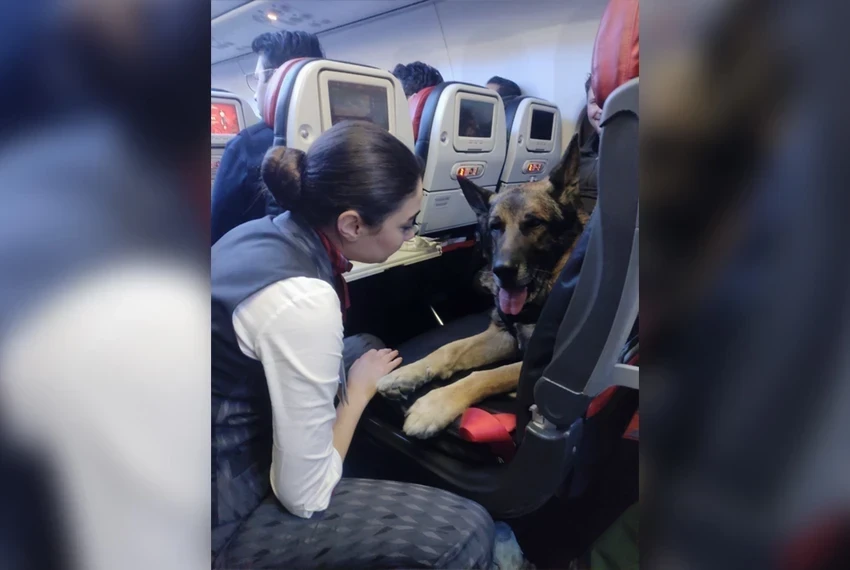
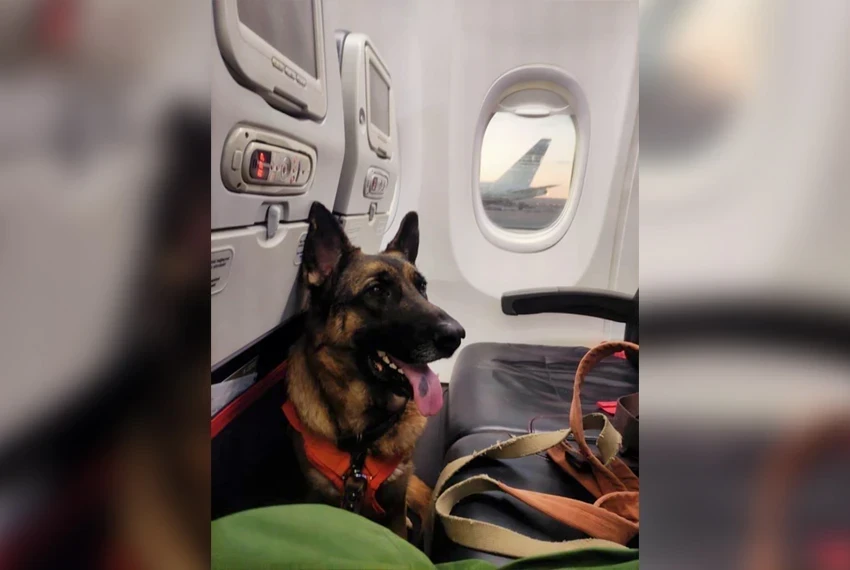
Turkish Airlines provided seats, but the dogs traveled on their owners' laps: LiSa with Elena, Bernese Mountain Dog Teya with rescuer Ani, and Barkhan received a separate seat. On board and in airports, passengers and crews asked to remove the muzzles from the dogs, which is due to the respect Turks have for them.
The journey involved three flights. In the airports, the team was provided with special rooms where staff supported the rescuers and expressed gratitude to the dogs for their work.
On-site, they were provided with three locations to search for bodies. The dogs became very tired, and Barkhan caught a cold in his shoulder and injured his paw, so he returned home on painkillers.
During the return flight, the medication wore off, and he began to whimper. An empathetic flight attendant hugged him, cried, and thanked him for his help, which was very touching.
On the return flight, Turkish Airlines provided rescuers with seats in business class.
The Loss of Legends: Why the Center Has No New Dogs
As of today, Elena Gatyzhskaya does not have her own dog. This is due to two circumstances: the first is psychological trauma, as Barkhan and LiSa, her beloved pets, passed away one after the other. Barkhan lived for 11.5 years, and LiSa for 6. They were family members, and the loss was too heavy. The wounds from the losses have not yet healed, and Elena is not ready to start over.
The second reason is financial. Search dogs require significant investments for maintenance, training, and veterinary care, and Elena currently does not have the means to do this.
Why specifically a German Shepherd? This is Elena's passion, her love. For some, it is Labradors or Pomeranians, but for Elena, it is shepherds.
Nevertheless, she continues to work, train, and pass on her experience by participating in searches. Even without her own dog, she remains the soul of the canine center.


