
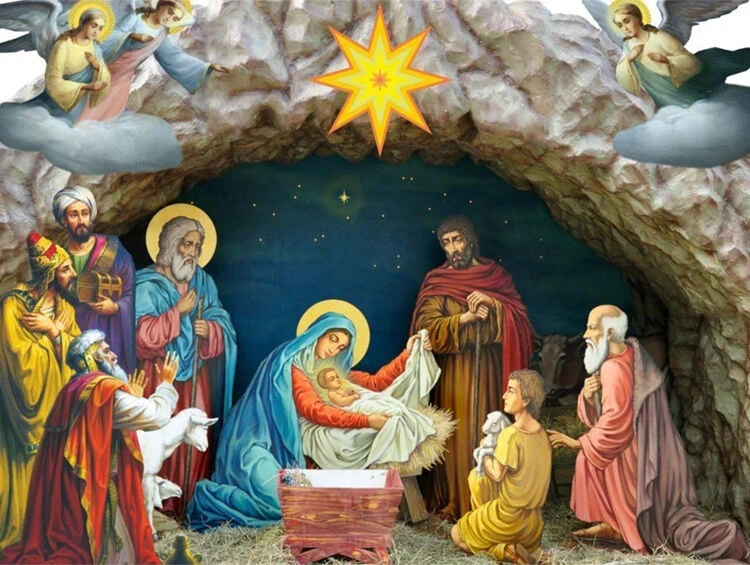
Tomorrow, January 7, Orthodox Christians in Kyrgyzstan will celebrate the Nativity of Christ — a significant holiday that is an official day off in the country. This day marks the end of the 40-day fast leading up to Christmas, as well as the conclusion of the January holidays.
Origin of the holiday
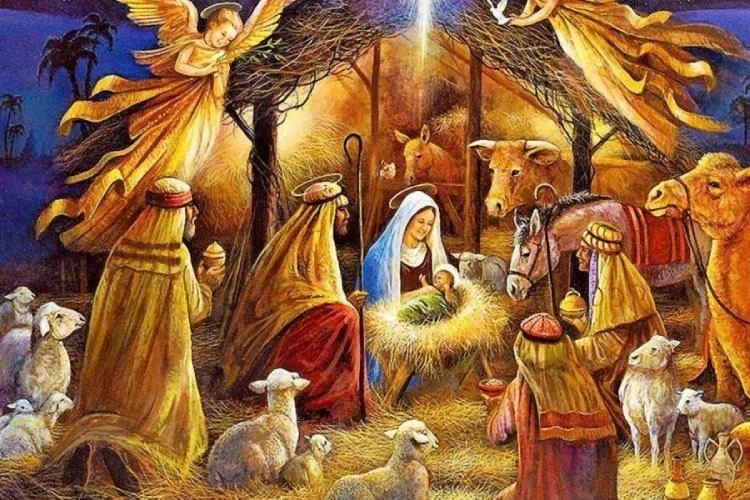
Christmas was established in honor of the birth of Jesus Christ, whom Christians revere as the Savior. This event took place in Bethlehem — a small Jewish town.
According to the Scriptures, during the census, the Virgin Mary gave birth to Jesus in a crowded city. Due to a lack of lodging, she and her husband Joseph were forced to stay in a stable, where the Savior was born.
At the moment of Christ's birth, a star lit up in the sky, guiding the Magi to the infant. The first to come to worship were the shepherds, and the wise men brought gifts: gold, frankincense, and myrrh.
Preparation for the holiday

Before Christmas, Orthodox Christians observe a 40-day fast, which aims to prepare the soul and body for the holiday. On the eve of Christmas, the fast ends, and preparations for the celebration begin.
Traditionally, on the night before the holiday, work is prohibited. According to church customs, one should not eat until the appearance of the first star, symbolizing the Bethlehem star.
Celebrations on Christmas
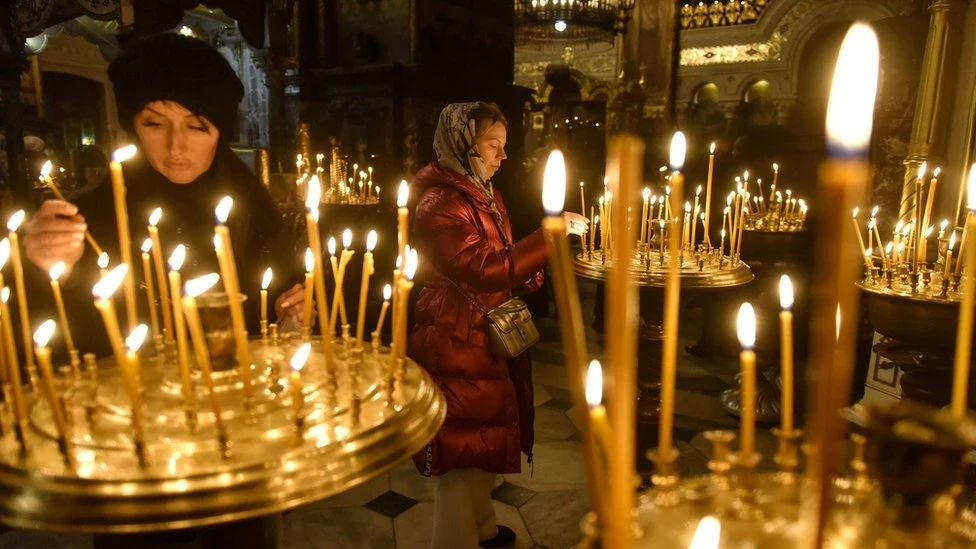
On Christmas Eve, festive services are held in all churches. In Bishkek, they will take place at the Holy Resurrection Cathedral and the Church of Saint Equal-to-the-Apostles Grand Prince Vladimir, located in the 12th microdistrict.
Believers gather for the service to meet the holiday in prayer and then spend time with loved ones.
Traditional dishes

On the Christmas table, kutya (sochivo) holds a special place — a traditional dish that begins the meal on January 7. It consists of grains of wheat, honey, nuts, dried fruits, and poppy seeds, symbolizing wealth and family prosperity.
Although there are no strict rules for composing the Christmas table, it is important that it is generous and varied after a long fast. Additionally, it is customary to invite anyone in need.
Carols and folk signs

On Christmas Eve, Orthodox Christians traditionally sing carols. After the church service, young people dress up and visit their neighbors, singing songs with wishes of health and happiness. Hosts usually treat guests with sweets or money.
Many folk signs are associated with Christmas. For example, the first guest to enter the house on the morning of January 7 will determine the hosts' luck for the entire year. The weather is also noted: frost foretells health, while hoarfrost on the trees indicates a good harvest.


