
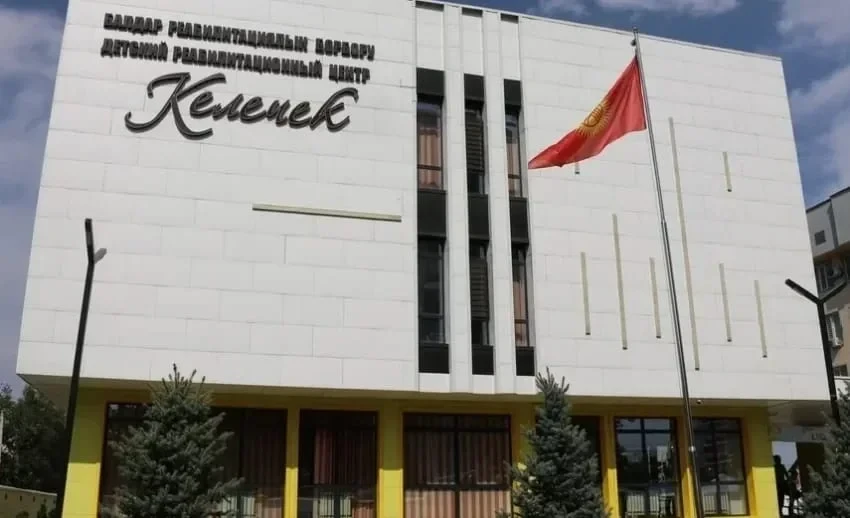
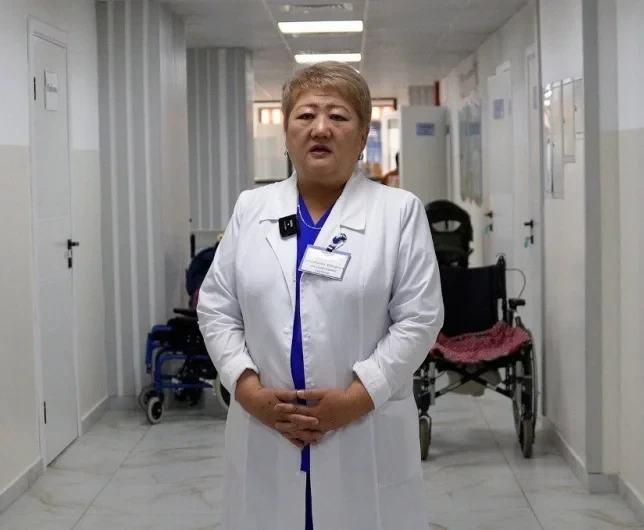
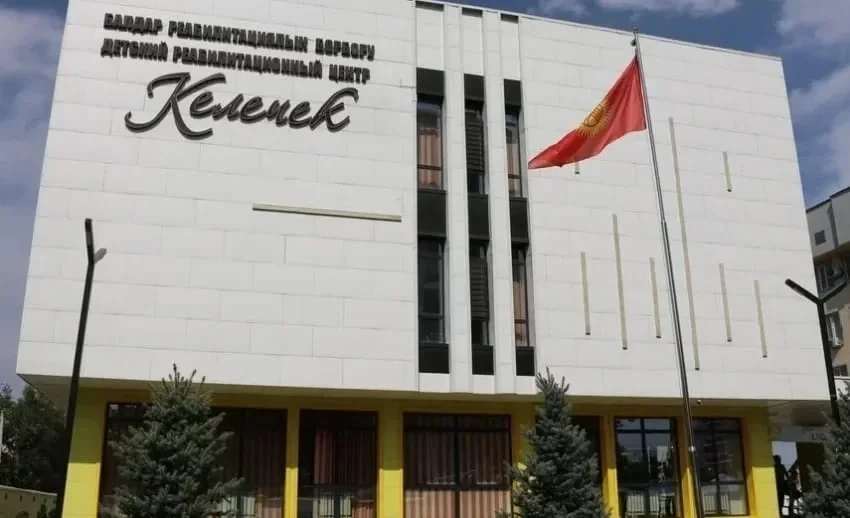
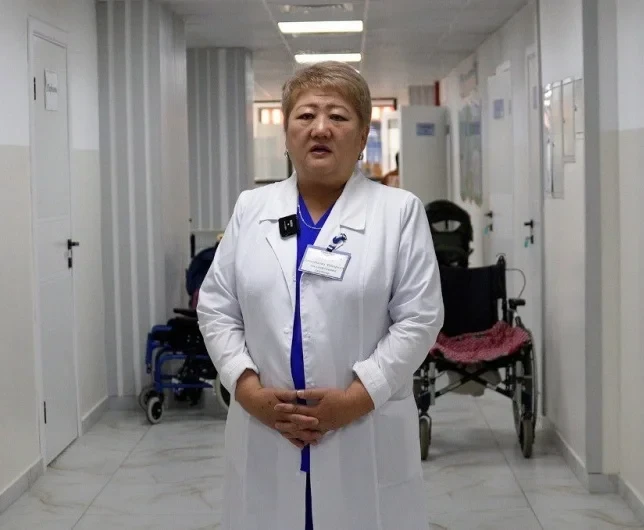
On the air of Birinchi Radio, the director of the Rehabilitation Center for Children with Disabilities "Kelechek," Chinarkul Tumenbaeva, spoke about the work of the institution and its services. She noted that the center was established on December 29, 2022, with the support of the President of the Kyrgyz Republic, and is aimed at helping children with disabilities.
"Kelechek" is a state institution under the Ministry of Labor, Social Protection, and Migration. The main goal of the center is to provide rehabilitation services to children aged 4 to 18 from all over the country. We receive children with various nervous system disorders, musculoskeletal pathologies, as well as with mild forms of intellectual disabilities, Down syndrome, and autism. We have a multidisciplinary team that includes specialists and doctors," Tumenbaeva explained.
She added that the center offers a wide range of rehabilitation services, including medical-social support and psychological-pedagogical assistance.
"Medical-social rehabilitation consists of the work of a physiotherapist, hardware physiotherapy, therapeutic physical training, massage, and dental services. Psychological-pedagogical rehabilitation includes specialists such as psychologists, educators, speech therapists, and occupational therapists, as well as work in a sensory room and interaction with parents," she added.
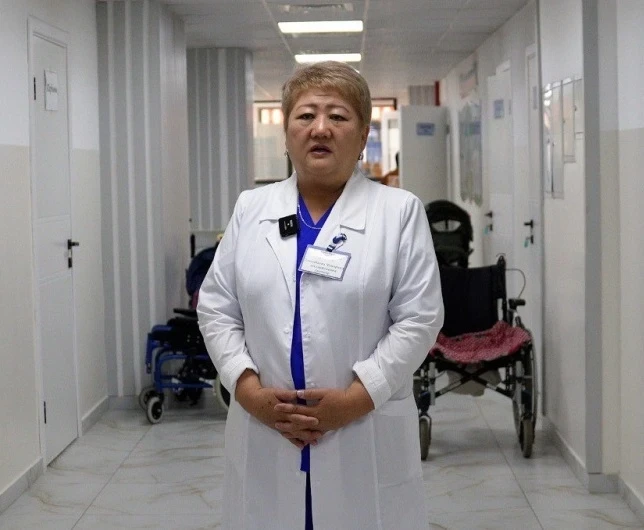
The center accommodates 100 children, of which 60 places are intended for inpatient treatment, while the rest provide day rehabilitation. This allows for services to be organized both in an inpatient setting with four meals a day and in a day rehabilitation format. Children from Bishkek and surrounding areas can attend the center for three hours, while children from remote areas stay in the inpatient facility for a month. Children under ten are accepted with accompanying persons. In the case of outpatient rehabilitation, children can visit the center every other day, allowing the course to last up to two months," she said.
The director emphasized the importance of both medical-social and psychological-pedagogical rehabilitation for children.
"Practice shows that most children need assistance in both areas. About 70% of them have speech disorders or delays in psycho-speech development, so psychological-pedagogical rehabilitation becomes necessary. With the increasing number of children needing help, there is sometimes a shortage of speech therapists and physiotherapists. We work by appointment: after a course, we indicate the date of the next visit, usually in three months, which helps avoid queues," she noted.


