
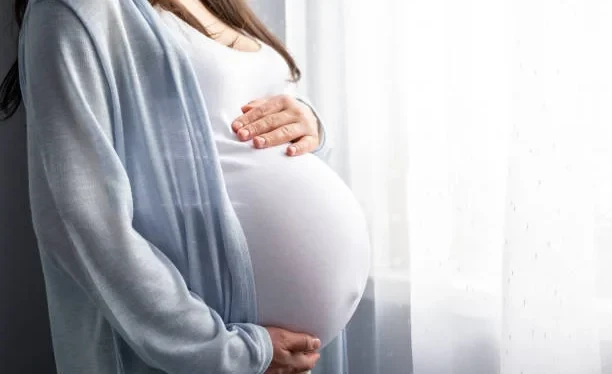
At the Republican Center for Health Strengthening and Mass Communication, experts discussed the dangers associated with anemia during pregnancy.
Anemia is a condition in which the body lacks red blood cells or hemoglobin—the protein responsible for transporting oxygen to tissues.
This condition is particularly critical for pregnant women, as it can lead to serious complications affecting both the mother's health and the development of the fetus.
Doctors identified several main risks associated with anemia during pregnancy:
* Low birth weight: the presence of anemia can result in the baby being born with low weight, which in turn increases the likelihood of complications during delivery and may negatively affect its future development.
* Premature birth: anemia can contribute to premature births, which can also be associated with a number of health problems for the newborn.
* Health complications for the mother: anemia can lead to conditions such as preeclampsia, which poses a serious threat that can cause high blood pressure and organ damage.
* Fatigue and weakness: this condition can cause significant physical exhaustion, making it difficult for pregnant women to perform daily tasks and reducing their endurance during labor.
To prevent anemia during pregnancy, specialists recommend maintaining a balanced diet rich in iron, including foods such as red meat, poultry, fish, and leafy green vegetables.
Those at risk of developing anemia may need to take iron supplements, which should be discussed with their healthcare provider. Regular prenatal check-ups also play an important role in monitoring iron levels and early detection of potential complications.


