
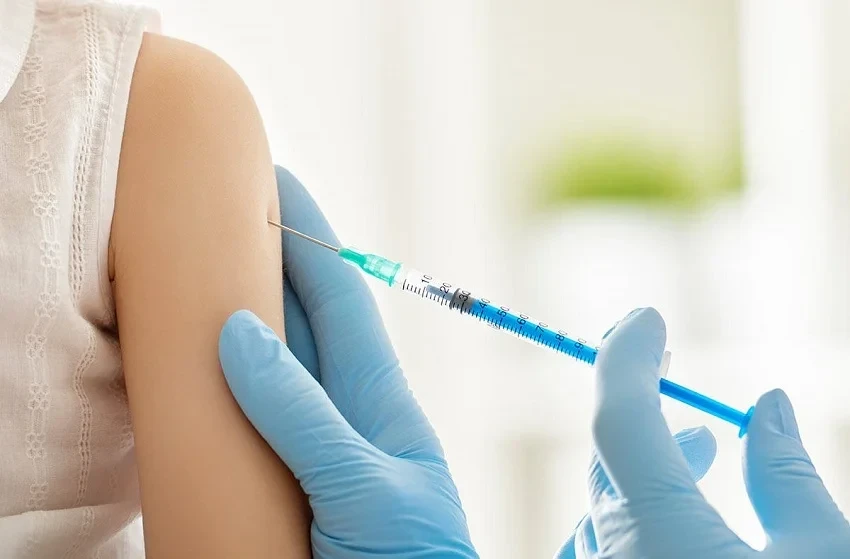




The situation with children's vaccination raises serious concerns, especially considering the growing number of parents who refuse vaccinations. This leads to many children being left without necessary protection, opening the door for viruses. There have been cases where patients seek medical help too late, delaying treatment and resorting to self-medication, which worsens their condition. It is a mistake to use antibiotics for treating viral diseases.

Additionally, doctors note a sharp increase in bacterial resistance to antibiotics, which has resulted from their uncontrolled use during the COVID-19 pandemic.
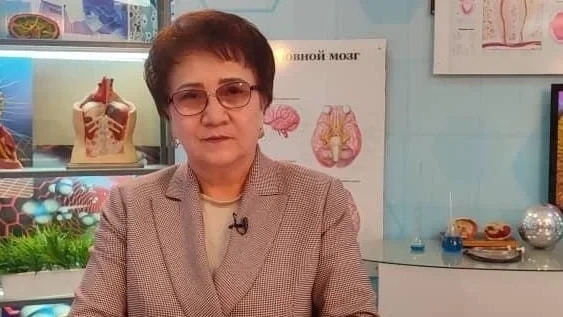
“Frequent and unjustified use of antibiotics, especially from the cephalosporin group, has led to drugs like ceftriaxone becoming ineffective. Bacteria have adapted, and in cases of severe infections, this drug may prove useless. Self-medication with antibiotics, especially without a doctor's supervision, can lead to serious consequences, including death,” she clarified.
This situation underscores how important it is to trust official medicine and not rely on unverified advice from the internet. Fear of vaccination, combined with the use of powerful medications without a doctor's oversight, can create a critical situation in healthcare.
Vaccination – protection against serious diseases
The MMR vaccine (measles, mumps, rubella) protects against three serious viruses. Although these diseases can be relatively mild, their consequences can be extremely serious. Vaccination in childhood is the key to your child's health in the future, including the ability to become a parent.
“Mumps can be particularly dangerous for teenagers and young men, as they may develop orchitis, which can subsequently lead to infertility. Rubella, although it is milder in children, is very dangerous for pregnant women. If a future mother contracts it in the first trimester, it can lead to serious developmental defects in the child,” noted Damirakhan Chynyeva.

Prevention is the best way to protect
The cost of vaccination is significantly lower than treating advanced infections. A vaccine may cost several hundred soms or be free, while treating serious diseases can cost tens or hundreds of thousands of soms.
Moreover, many infections can have long-term consequences. For example, complications after diphtheria or rubella may require prolonged and expensive treatment. In the context of constantly rising prices for medical services, timely vaccination remains the most accessible and effective way to protect health.
Aizharkyn Egemberdieva, head of the infectious disease prevention department at the RCUZ and MK, emphasizes that vaccination is one of the most effective methods of preventing infectious diseases.

Misunderstanding and lack of information about vaccination lead to refusals to vaccinate. Even unverified data from social media can seem more convincing than statistics and recommendations from doctors. Aizharkyn Egemberdieva urges people to rely on scientific data and official recommendations.
According to her, there are several common myths about vaccines:
- “The first myth is that vaccines can cause autism. This myth has been debunked by major international studies.
- The second myth is that it is better to get sick than to be vaccinated. Infectious diseases can lead to serious complications, while vaccination provides protection without the risk of severe consequences.
- The third myth is that vaccines overload the immune system. In reality, a child's immune system encounters thousands of antigens every day, and the burden from vaccines is minimal compared to natural infections.”

“Vaccination is relevant at any age. Over time, immunity loses its effectiveness, so revaccination becomes necessary. Adults are recommended to have revaccination against diphtheria and tetanus every ten years, vaccination against hepatitis B, and annual vaccination against influenza,” added Aizharkyn Egemberdieva.
No strict preparation is required before vaccination, but following simple rules can help the body cope better with the introduction of the antigen.
“It is recommended to come for vaccination in good health and inform the doctor about chronic diseases. On the day of vaccination, one should avoid overheating and overcooling, and after the vaccination, remain under observation for 20–30 minutes. A normal reaction of the body includes mild side effects, such as redness at the injection site or a temporary increase in temperature,” concluded the head of the infectious disease prevention department at the RCUZ and MK.


