
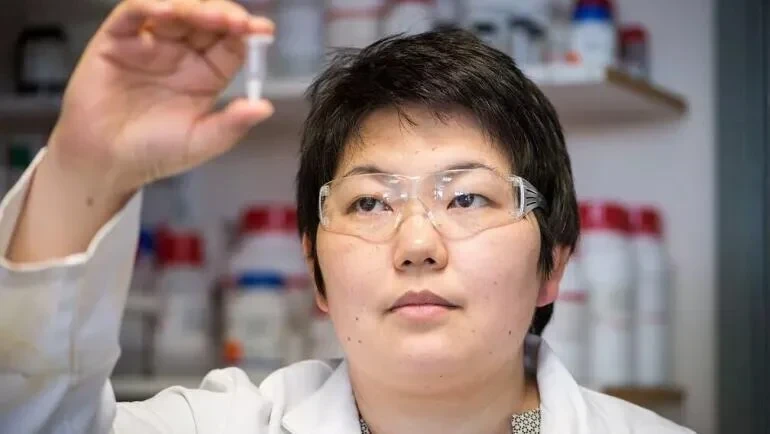
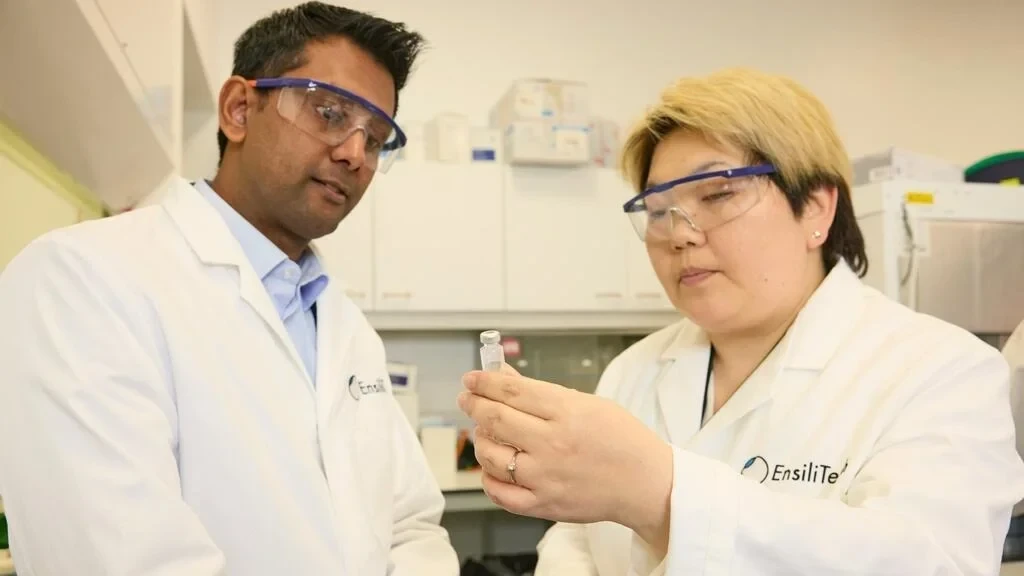
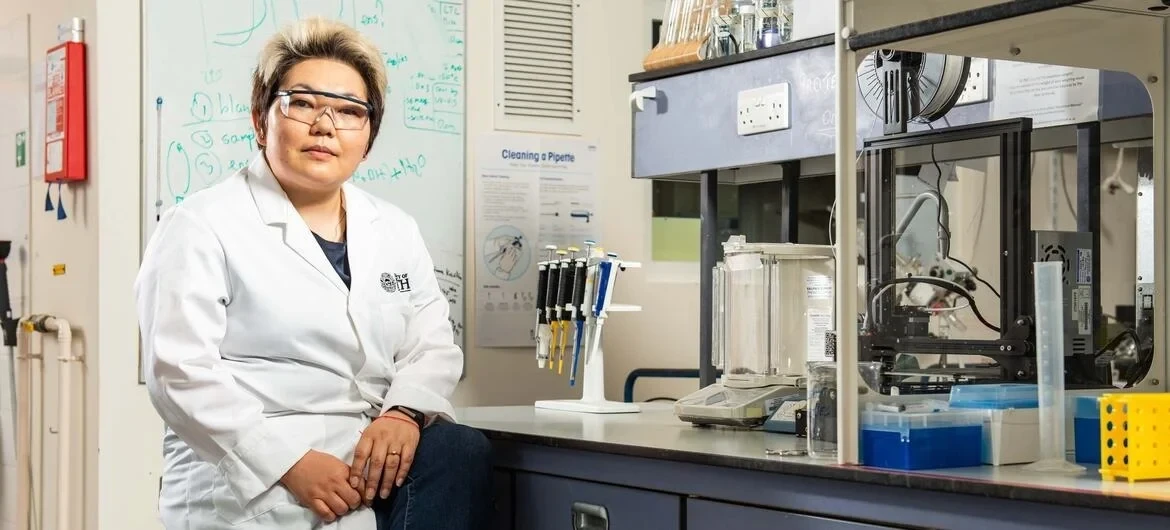
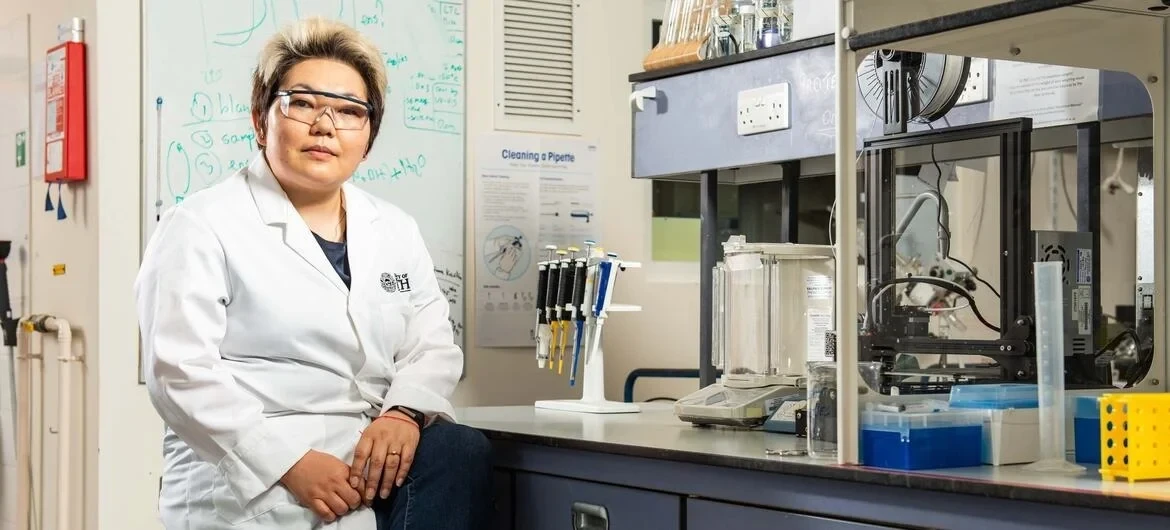
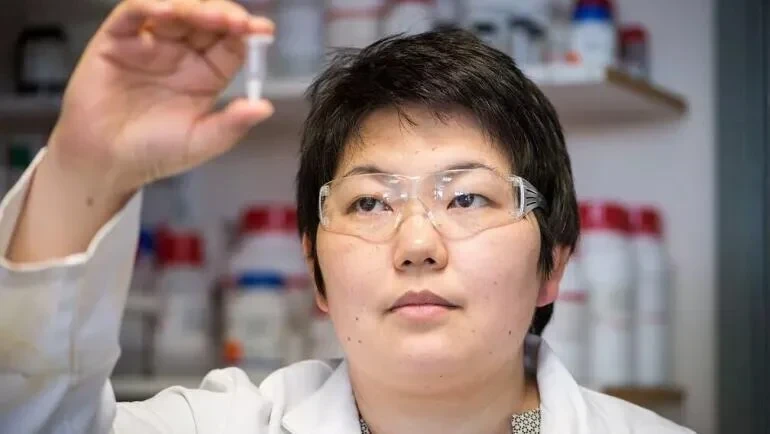
Asel Sartbaeva, a chemist from a small Kyrgyz village, has developed a technology that can enhance the stability of vaccines at high temperatures. This discovery could fundamentally change the approach to storing and transporting vital medical supplies to the most remote corners of the world. This was reported by the UN news service on the occasion of the International Day of Women and Girls in Science.
Sartbaeva showed an interest in science from an early age, studying at a local school where she was passionate about mathematics, physics, and chess. During her school years, she twice became the winner of the national materials resistance olympiad, making her the first girl to achieve this success. These achievements strengthened her determination to pursue a career in science.
After graduating from university in Bishkek, Asel had the opportunity to study at Cambridge University, where she researched silicon materials and zeolites, which are used in various fields—from laundry detergents to protection against radiation contamination. Today, she is an associate professor at the University of Bath and the founder of EnsiliTech, a company that implements her innovative solutions in the production and delivery of vaccines.
The problem of vaccine delivery remains relevant, as many countries lack stable electricity supply and refrigeration equipment. In remote regions, such as the mountainous villages of Kyrgyzstan, medicines are sometimes delivered on horseback, to island nations by boat, and sometimes on foot in portable containers. Sartbaeva's technology will help significantly reduce vaccine losses and make them accessible to millions of children, especially in low-income countries.
In addition to her scientific work, Asel is actively involved in educational projects. She is an ambassador for the UNICEF program "Girls in Science," which supports schoolgirls in mastering STEM disciplines (science, technology, engineering, mathematics). The program includes workshops, meetings with mentors, and the development of leadership and communication skills, helping girls believe in themselves and choose a career in science, despite social stereotypes.
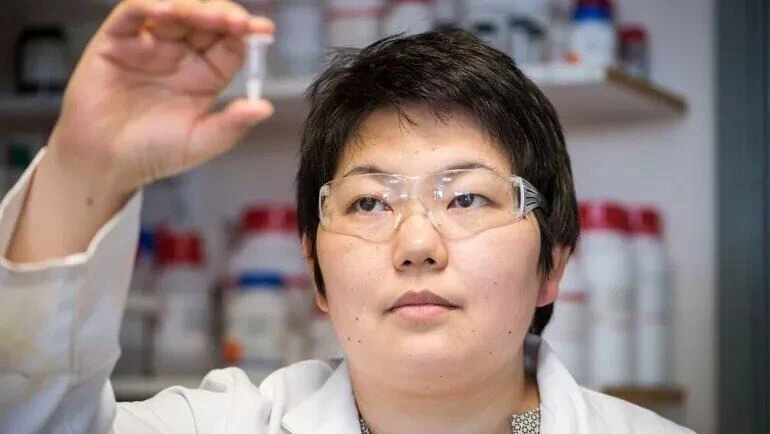
"Many parents fear that if their daughter becomes a scientist, she will not have a family. I want to show that this is not the case. It is possible to successfully combine a career and personal life," she says.
The "Girls in Science" initiative has already helped thousands of schoolgirls develop confidence and communication skills. Many graduates have chosen STEM fields at universities that they had not even considered before.Sartbaeva emphasizes that science needs diverse talents—from experimenters to programmers and communicators. "This is especially important for girls dreaming of studying chemistry, physics, mathematics, or engineering. We are waiting for you," she stresses.
Asel's development and the activities of her company EnsiliTech during the COVID-19 pandemic demonstrated how innovations and scientific research can address global health problems, ensuring access to vital medications for those in need.


