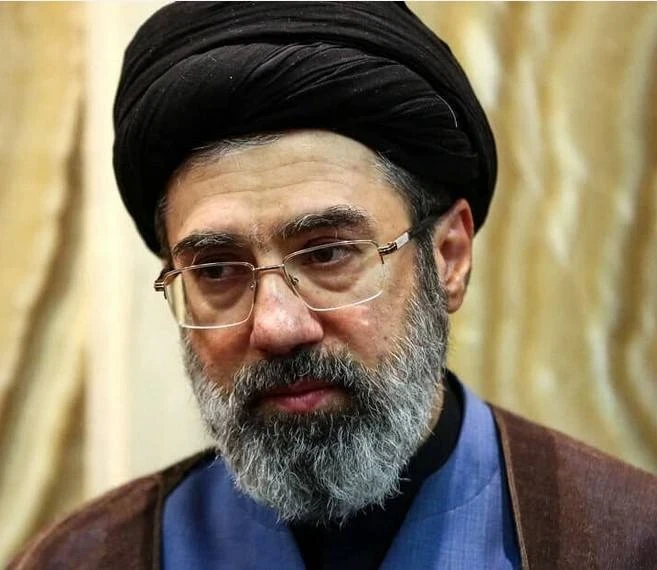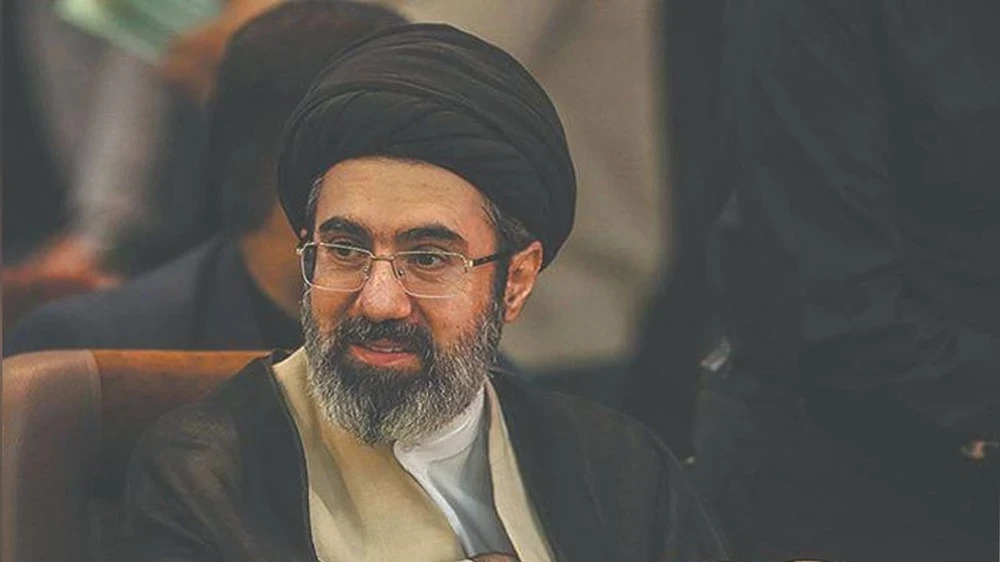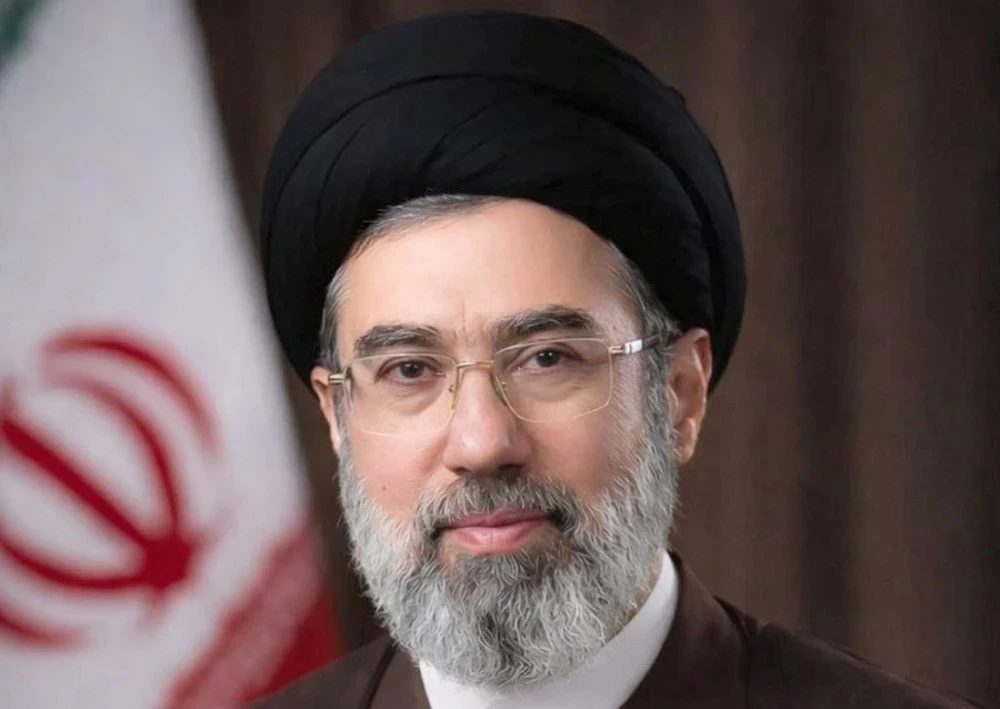
In Iran, the third Supreme Leader of the country has been officially appointed — Ayatollah Seyed Mojtaba Khamenei, who took this position after the death of his father. The Islamic Revolutionary Guard Corps (IRGC) has already sworn allegiance to him. How this procedure took place and who the new Supreme Leader of the Islamic Republic of Iran is, is explained by VB.KG expert on Western Asia, Nurbek Jalilov.
According to Article 107 of the Constitution of the Islamic Republic of Iran, only the Assembly of Experts has the authority to appoint the Supreme Leader. This assembly, consisting of 88 elected Islamic theologians, is responsible for selecting the leader, monitoring his actions, and, if necessary, removing him. In the event of the death or resignation of the Supreme Leader, the Assembly of Experts must select a new candidate who meets the necessary criteria.
Following the tragic death of Ayatollah Seyed Ali Khamenei, the process of electing a new Supreme Leader began, as provided for in Articles 107 and 109 of the Constitution. An extraordinary meeting of the Assembly of Experts was convened, during which the experts evaluated candidates based on a number of criteria:
1. Ability to ijtihad (knowledge and interpretation of Islamic norms).
2. Justice and piety necessary for leadership.
3. Correct political and social vision.
4. Wisdom, courage, and management skills.
Ayatollah Seyed Mojtaba Khamenei was elected as the new Supreme Leader of the Islamic Republic of Iran, receiving more than two-thirds of the votes from the members of the Assembly of Experts.
Ayatollah Seyed Mojtaba Khamenei, the second son of Ayatollah Seyed Ali Khamenei, was born in 1969 in Mashhad. He initially received his religious education from Ayatollah Mojtahedi Tehrani and served on the front lines with Iranian volunteers during the Iran-Iraq War.
After the war, from 1989 to 1992, he continued his studies in Qom. Later, in 1992, he returned to Tehran for further education for five years. In 1997, he married Zahra Haddad-Adel and returned to Qom to complete his higher religious education.
Seyed Mojtaba Khamenei studied under well-known teachers in Qom, such as Ahmad Mi'anedji and Reza Ostadi, and also took courses with his father and other prominent religious scholars. He actively participated in higher educational activities for over 17 years.
Seyed Mojtaba's academic research, including preparing notes in Arabic and discussing current issues with teachers, attracted the attention of many renowned scholars. His diligence and precision contributed to the development of new ideas in the field of Islamic sciences, particularly in fiqh and legal principles.
The new Supreme Leader also has experience in state governance due to close interaction with high-ranking officials and participation in working meetings. His research work covers various areas, including economic stability, housing development, agricultural and livestock reform, as well as support for advanced technologies, which is an important resource for the country.