The situation with air pollution in Bishkek has remained acute for many years. In response to this problem, the authorities of Kyrgyzstan are focusing on large external borrowings; however, their use has become a subject of discussion among specialists and the public, as noted by the Economic Initiatives Center "Oiy Ordo".
A loan from the World Bank for millions of dollars serves as a vivid example of the discrepancy between official statements and real results. Instead of the planned transition to environmentally friendly heating sources, the project tends to concentrate on bureaucracy and monitoring, which only records the scale of the problem but does not offer solutions. In the context of growing skepticism regarding the safety and economic viability of Western "green technologies," the question remains relevant: how exactly are these loan millions being spent, and will the fight for clean air lead to new debts and problems for the republic?
Background
In 2023, Kyrgyzstan received 50 million dollars from the World Bank to implement a project aimed at improving air quality, primarily in the capital. The discussion about allocating this amount took place not only at the official level. In January 2024, the Economic Initiatives Center "Oiy Ordo" initiated a roundtable, emphasizing the importance of the topic, as Bishkek ranks high in air pollution ratings.
At the roundtable "Choking Capital: How to Get Out of the Environmental Deadlock," officials reported that 32 million dollars of the allocated funds would be directed towards transitioning from coal to clean technologies. It is expected that about 25,000 households will be able to switch to heating with heat pumps, using revolving credit through commercial banks. These loans will be provided to the population, and the repaid funds will be reused in the economy. The project is expected to benefit not only the environment but also create new jobs, as the equipment will require maintenance. The remaining 18 million dollars will be distributed as follows: 6 million for a laboratory for the Ministry of Natural Resources, Ecology, and Technical Supervision, another 6 million will go to "Kyrgyzhydromet" for creating additional air monitoring points, and about 4 million will be spent on creating a "green" belt in Bishkek. The operational costs of the project will amount to 1.5-2 million dollars.
The Real Situation
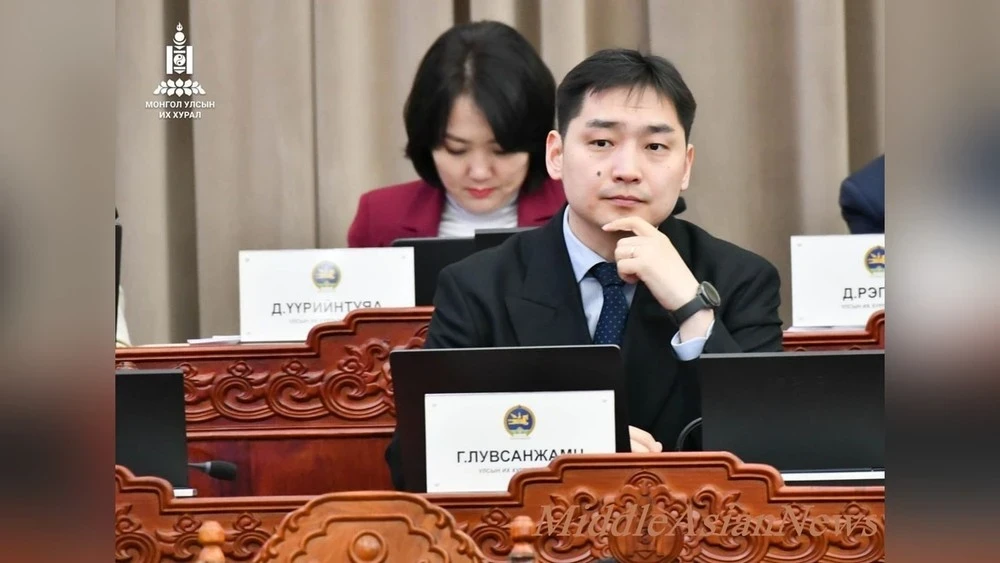
As reported on March 9 in the Jogorku Kenesh by the Deputy Minister of Natural Resources of the Kyrgyz Republic, Asel Rayymkulova, the loan funds have already been used to purchase equipment for "Kyrgyzhydromet." Additionally, a tender is currently underway for the design of a modern laboratory and information center that will analyze air pollution. It is also planned to install 11 automatic monitoring stations in five cities, including Bishkek.
However, this list lacks specific mechanisms aimed at improving the ecological situation in Bishkek, and it is unclear what is happening with the pumps mentioned in the project. At the same time, experts express doubts about the effectiveness of these Western technologies.
Expert Opinion
At the roundtable, specialists from the Economic Initiatives Center "Oiy Ordo" emphasized that green technologies can have their risks. One of the main issues is the disposal of used components and mechanisms used for generating energy from renewable sources. As a result, countries that have bet on renewable energy may face a huge amount of "green waste." According to forecasts, by 2050, the volume of discarded solar panels could reach 78 million tons, and by 2040, more than 720 tons of wind turbines will end up in landfills in the USA, one of the experts noted.
If Kyrgyzstan chooses the path of green energy, the republic will need to create special landfills for the burial or storage of such waste.
Experts also expressed doubts about the necessity of this loan, suggesting instead the gasification of the capital with the help of "Gazprom," rather than borrowing from the World Bank, which pushes for the use of green technologies, a commercial initiative that requires the existence of markets for sales.
"The paradox is that we are taking loans for green technologies in the hope that Western donors will write off our other debts," experts from the "Oiy Ordo" Center commented ironically.
Despite strict anti-Russian sanctions, EU countries continue to purchase Russian gas for their needs, raising questions about the feasibility of the chosen course.