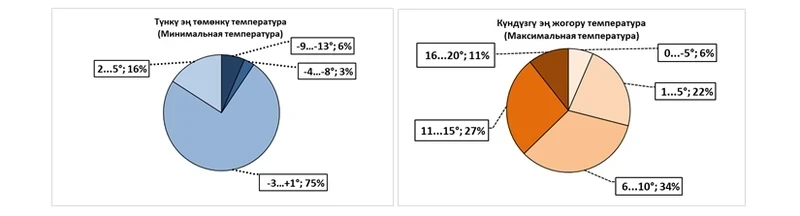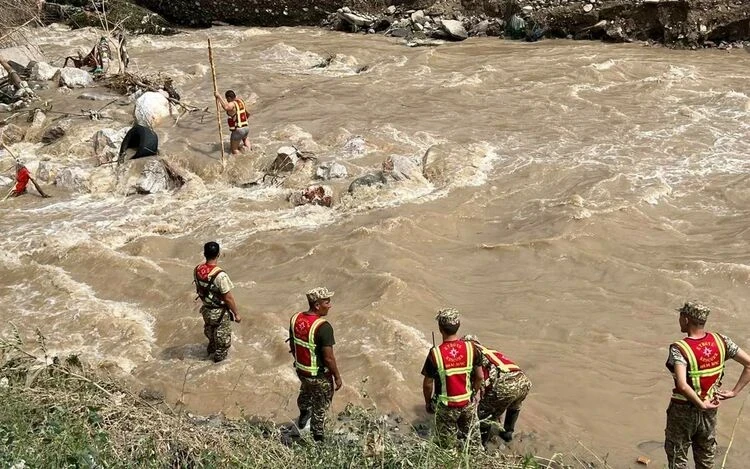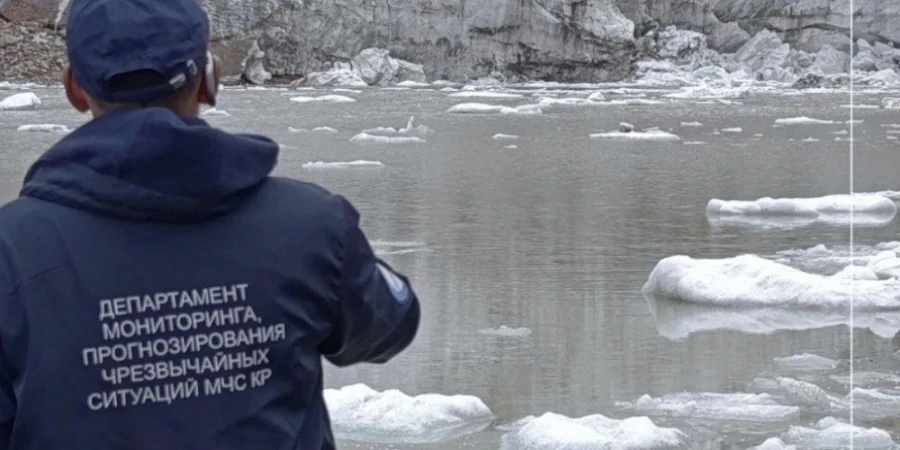
In Kyrgyzstan, the issue of forced relocation of people from dangerous zones is acute. As noted at a press briefing at the Sputnik center by the First Deputy Minister of Emergency Situations Azamat Mambetov, the Ministry of Emergency Situations does not have the authority to force people to leave inhabited, but potentially deadly areas. He warned that this spring is expected to be early, and the air temperature is already 1-2 degrees above normal, which is a troubling sign indicating the possibility of landslides and mudflows due to increased precipitation and rapid snowmelt in the mountains.
The situation seems paradoxical: the state allocates land plots and provides preferential loans for people to build new homes and relocate, yet they still return to their previous dangerous locations.
Mambetov commented: "Their children live on the new plots, while the parents continue to stay in risk zones. Some even sign documents acknowledging that they are ready to take the risk in case of a landslide."
Local residents present their arguments — convenience for grazing livestock and attachment to their native land where they grew up. As a result, rescuers collect documents indicating readiness for a possible tragedy, which have no legal force in the event of a natural disaster. The Deputy Minister emphasized that history has seen cases of mass casualties in such areas, with victims numbering in the dozens.
Mambetov also added: "The Ministry of Emergency Situations has no tools for forced relocation. We have contacted law enforcement agencies, and discussions with such families will continue."
To date, about 4,000 potentially dangerous locations have been identified in Kyrgyzstan. Of these, approximately 2,500 families have already received compensation and land plots; however, actual relocation is being delayed. This problem has long exceeded the bounds of individual responsibility. The state spends significant funds on preventing emergencies, while people continue to put themselves in danger for the sake of pastures. Until effective measures are developed to influence such behavior, tragedies in mountainous areas will, unfortunately, continue to recur.