Photo The Independent
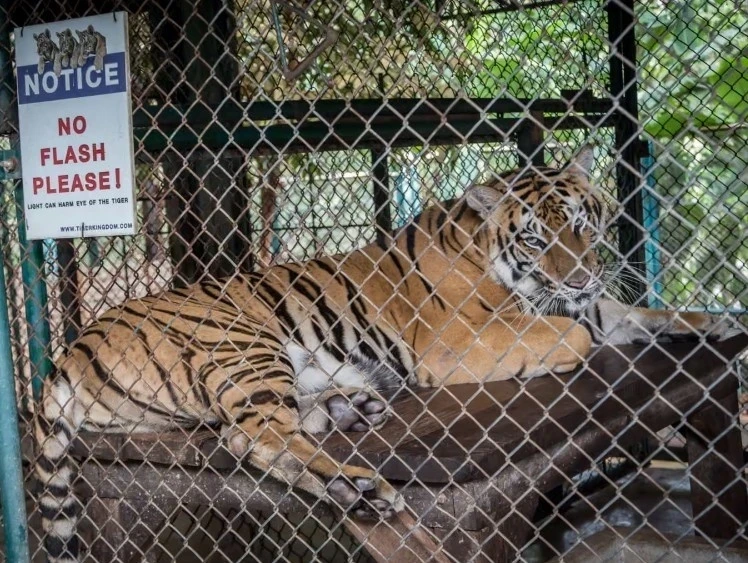
According to the information, most of the tiger deaths were recorded in private reserves, where visitors have the opportunity to interact closely with the animals. Preliminary tests showed that the deceased predators had feline distemper.
The head of Thailand's Department of Livestock, Somchuan Ratanamungklanon, noted that the tigers do not have direct contact with humans, and the disease could have developed unnoticed: "When we see that something is wrong, the disease may already be in an advanced stage," he added.
Department specialists suggested that the tigers in captivity had weakened immunity because they were only mating among themselves. This could have increased their susceptibility to the virus and accelerated the progression of the disease.
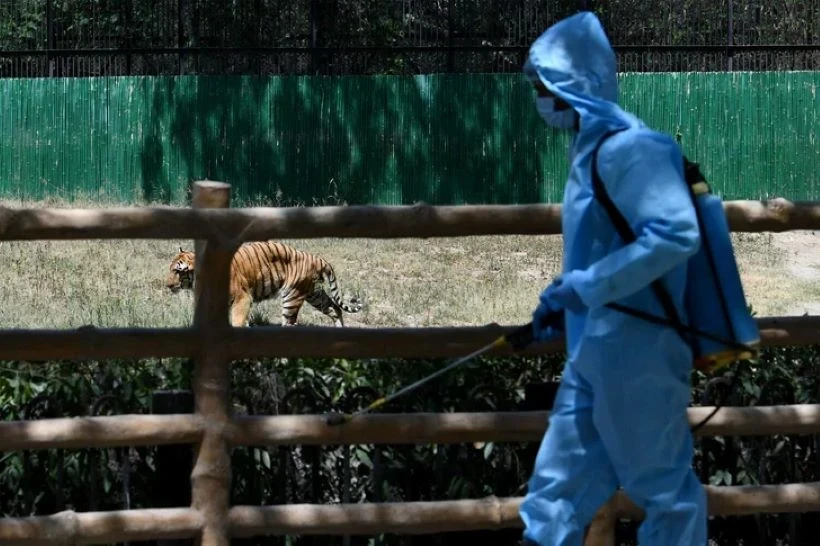
In connection with the incident, authorities closed the parks for two weeks, restricting access to the reserves and conducting disinfection of enclosures and equipment. All surviving tigers were placed in quarantine.