




The founder of one of the leading tourism companies in Kyrgyzstan, Talant Ozoekeev, stated that due to increased tensions, many travelers have started to avoid flights, especially towards the countries of the Persian Gulf.
“People are currently experiencing fear of flying. This primarily concerns countries such as Dubai, Qatar, and Kuwait. The sale of tours to these destinations has been completely suspended,” he added.
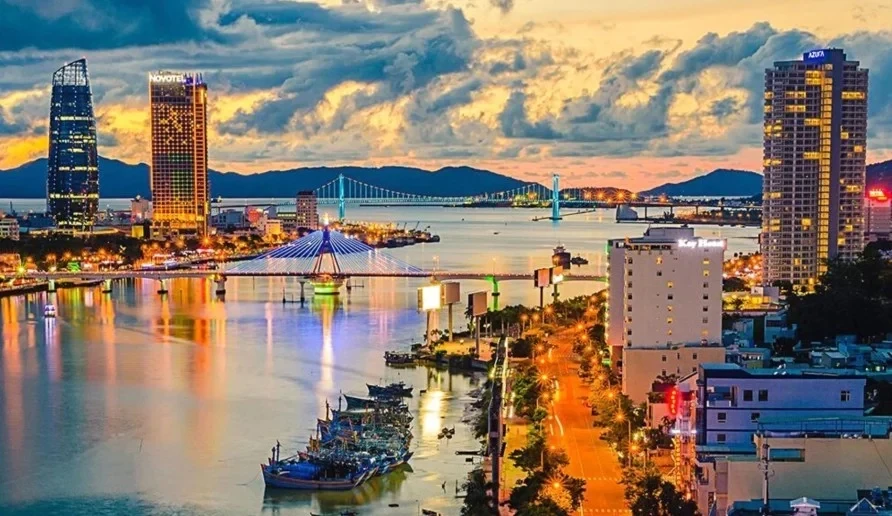
Tour operators, in light of the situation, are trying to redirect planned trips to the Persian Gulf countries to other destinations. First and foremost, this includes countries such as Vietnam, Thailand, and Hainan Island.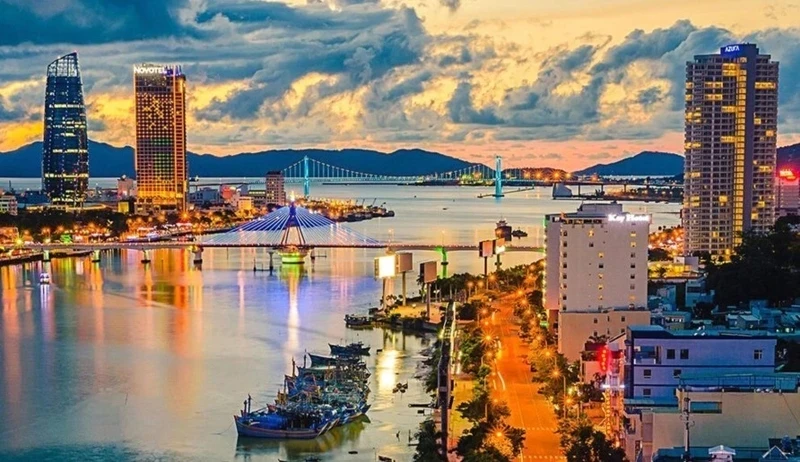
Furthermore, he noted that the current situation is also reflected in tour prices. For example, the cost of trips to Egypt has decreased, while prices for some destinations in Southeast Asia are on the rise.
“Prices for tours to Turkey have also decreased, as there are rumors about its possible involvement in the conflict, which raises concerns among tourists,” he added.
Tour operators are taking measures to minimize risks. If clients remain abroad, companies assist them with extending their stay and provide financial support until their departure.

According to Ozoekeev's forecasts, destinations in the Middle East may be practically inaccessible for at least the upcoming tourist season.
“The seasons of March, April, and May for these destinations are already effectively lost. I believe that until autumn, the Middle East will not be considered a tourist route. The main focus will likely be on Turkey, Egypt, and Southeast Asian destinations, especially Vietnam,” Ozoekeev concluded.
The situation is also negatively affecting inbound tourism, noted Sergey Glukhorev, the founder of another tourism company in Kyrgyzstan.According to him, many foreign tourists used transit hubs in Doha and Dubai for trips to Kyrgyzstan, and the closure of airports and changes in routes are already leading to cancellations of some trips.

The United Arab Emirates has become an important hub for international air travel in recent years, and any changes in routes can lead to increased ticket prices.
“If the number of transit destinations decreases, the load on the remaining airlines will increase, leading to higher ticket prices. It is already not cheap to get to Kyrgyzstan from far abroad, and in the context of rising prices, the flight may cost more than the tour itself,” Glukhorev explained.
At the moment, tour companies are trying to find alternative routes for their partners and clients, for example, through Istanbul or arriving in Almaty with further travel to Bishkek.
“The rest depends on us. We hope that the conflict will be resolved and peace will be established in the region,” he expressed hope.
Industry representatives believe that the further development of the situation in the Middle East could have a significant impact on the 2026 tourist season.

The Department of Tourism under the Ministry of Economy and Commerce of the Kyrgyz Republic noted that they are closely monitoring the international situation and its potential impact on the tourism market.
“Tourism is an area that is sensitive to geopolitical changes and fluctuations in international transport logistics,” the department emphasized.
According to the department, information has already been received from guides and tour operators about a decrease in requests and individual cancellations of tours from travelers from Middle Eastern countries.
“This is explained by the current unstable situation in the region and changes in air communication, resulting in cancellations or adjustments of flights, which undoubtedly affects tourists' plans,” the department added.
Additionally, the department noted that several Middle Eastern countries have traditionally served as major aviation hubs.
“For example, a large number of routes passed through Dubai, and changes in air logistics or rising ticket prices can indirectly affect tourist flows,” the department concluded.
At the same time, no significant changes in demand for trips to Kyrgyzstan from other destinations are currently observed.
“Interest in our country from tourists from other regions remains stable,” the department emphasizes.
The tourist season in Kyrgyzstan usually starts in about a month, and preparations for its beginning are actively underway.“We continue to work with international markets, partners, and tour operators to maintain and increase tourist flow. We are also in dialogue with representatives of the tourism business for a prompt response to possible changes and the development of alternative logistical and marketing solutions to ensure stability in the industry,” the Department of Tourism summarized.


