Against the backdrop of general distrust in vaccination, the situation with measles in Kazakhstan is deteriorating. The Ministry of Health is struggling with anti-vaxxers and is now restricting access to educational institutions for unvaccinated children.
As a preventive measure against measles, the Ministry of Health of the Republic of Kazakhstan has been using a combined vaccine against measles, rubella, and mumps for over ten years. Vaccination is carried out for children aged one to six, as measles poses the greatest danger at this age. Adults can also experience severe illness.
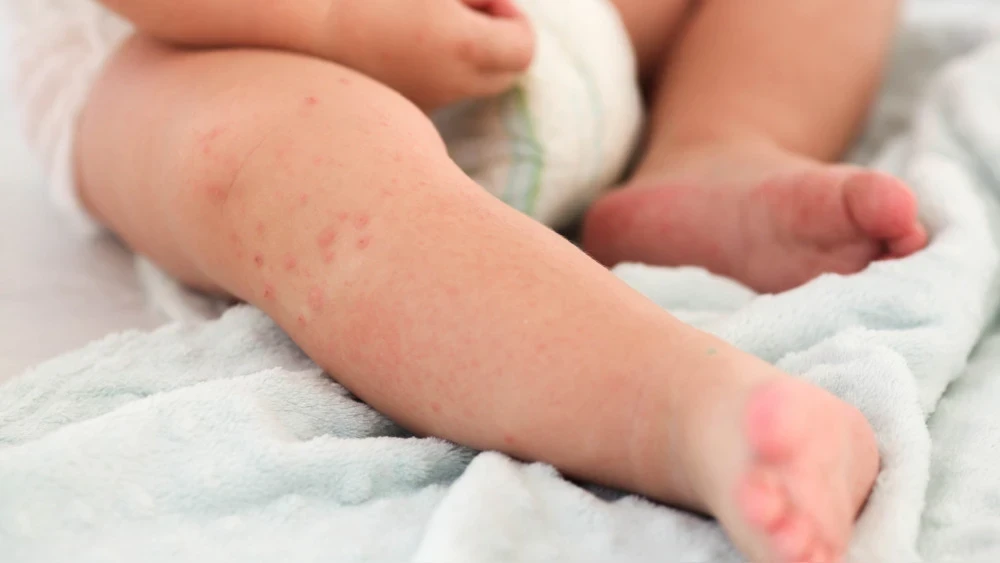
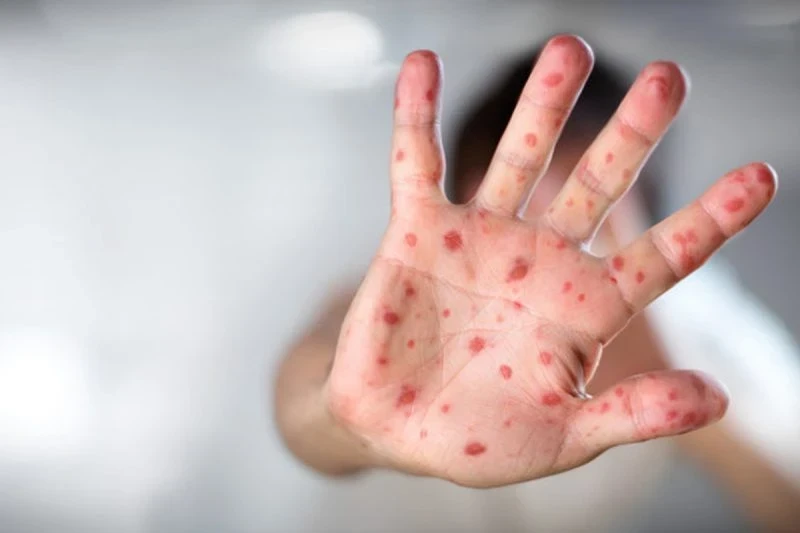
The main symptoms of measles include cough, runny nose, and high fever, usually followed by a rash. Despite their seemingly minor nature, these symptoms can lead to serious complications, including lung infections, bilateral pneumonia, brain inflammation, and even death if the disease is not diagnosed in time.
According to the World Health Organization, approximately 136,000 people die from measles and its complications each year, the majority of whom are children.
Measles, as specialists note, is an extremely contagious disease: its contagiousness is 12 times higher than that of influenza, six times higher than that of the Ebola virus, and twice that of COVID-19 and chickenpox. Therefore, recent outbreaks of measles around the world have spread rapidly, especially among those who are unvaccinated.
The situation with measles incidence in Kazakhstan continues to raise concerns. Representatives of the Ministry of Health report that since November 2022, there has been an increase in cases: from 317 cases in November to 1,127 in December, 2,048 cases in January, and 1,296 cases in the first two weeks of February. The most problematic regions are Astana, Almaty, and the Zhambyl region.
— Since the beginning of the year, 3,344 cases of measles have been registered. 72% of them are children under five years old, of which 24% are under one year old, and 26% are between two and four years old. At the same time, 78% of those infected are unvaccinated, more than half of whom refused vaccination, while only 14% received medical exemptions from vaccination, — noted the Ministry of Health at a conference in Astana dedicated to the epidemiological situation in the country.
At the same time, alongside the usual excuses, false information is spreading on social media that the vaccination campaign against measles is allegedly being halted in Kazakhstan due to "failed injections."
— This is not true. The epidemiological situation is under control, and vaccination continues as planned throughout the country according to the National Calendar of Preventive Vaccinations of the Republic of Kazakhstan, — stated the Ministry of Health of the Republic of Kazakhstan. To form herd immunity, at least 95% of the population, especially children, must be vaccinated.