
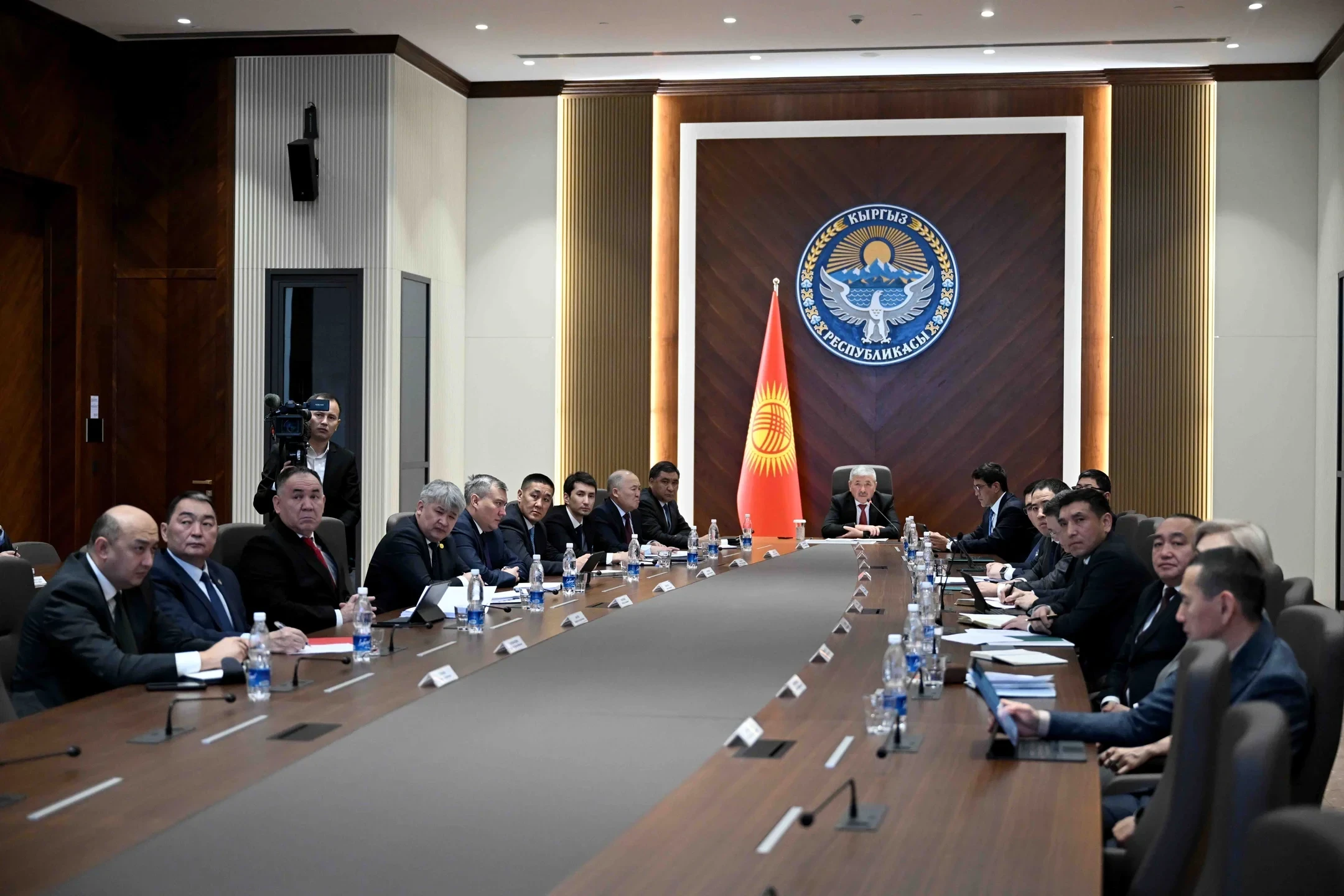
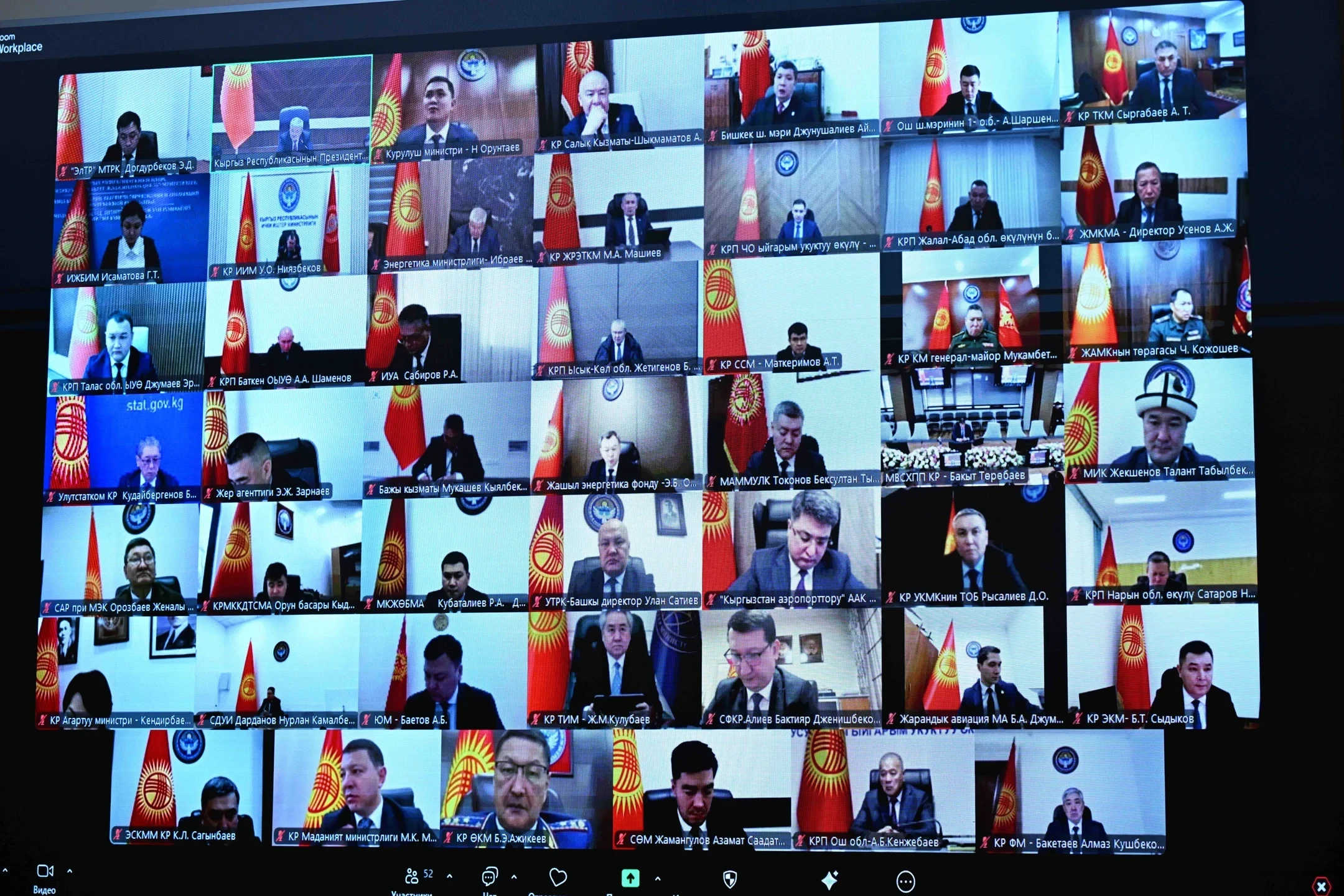
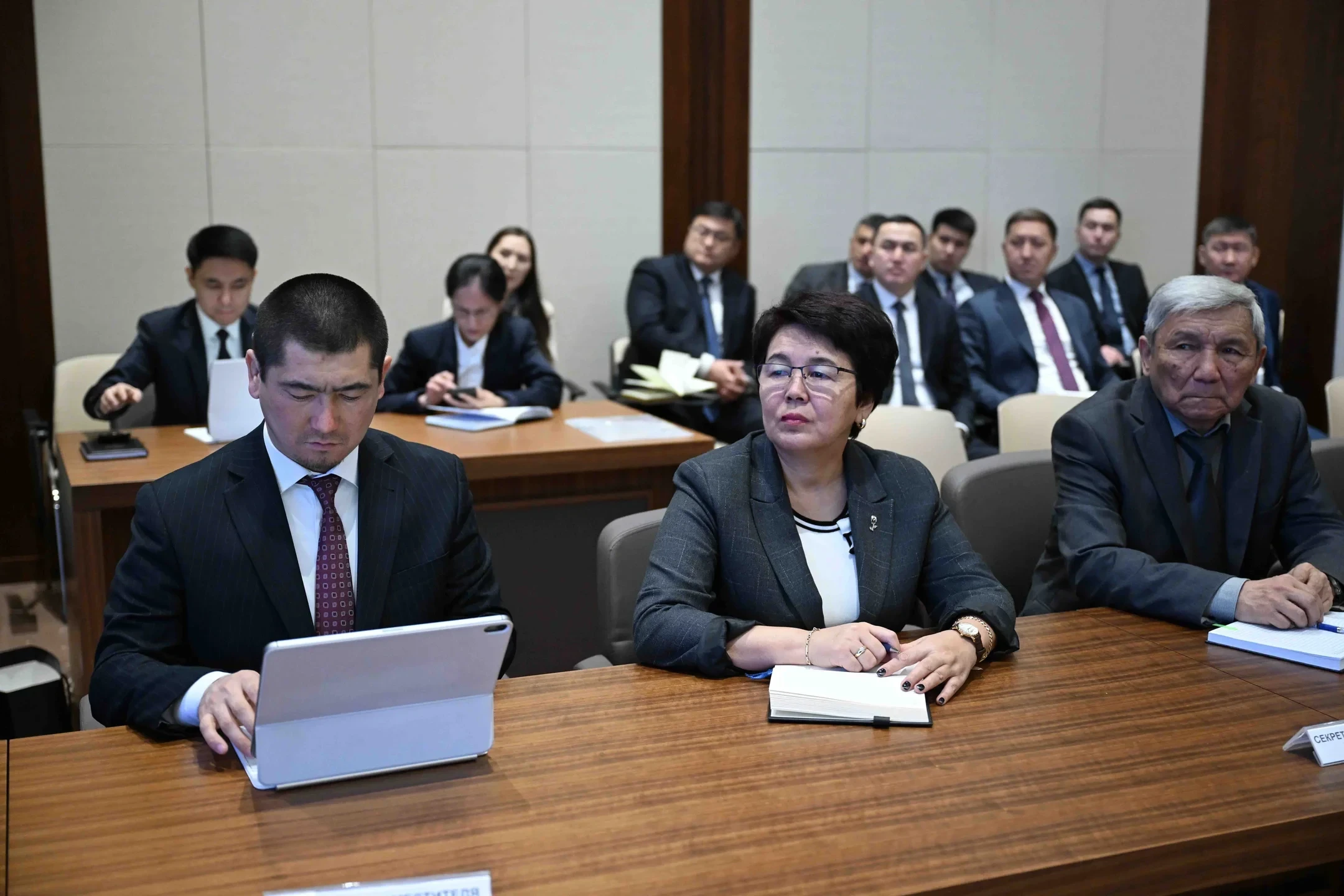
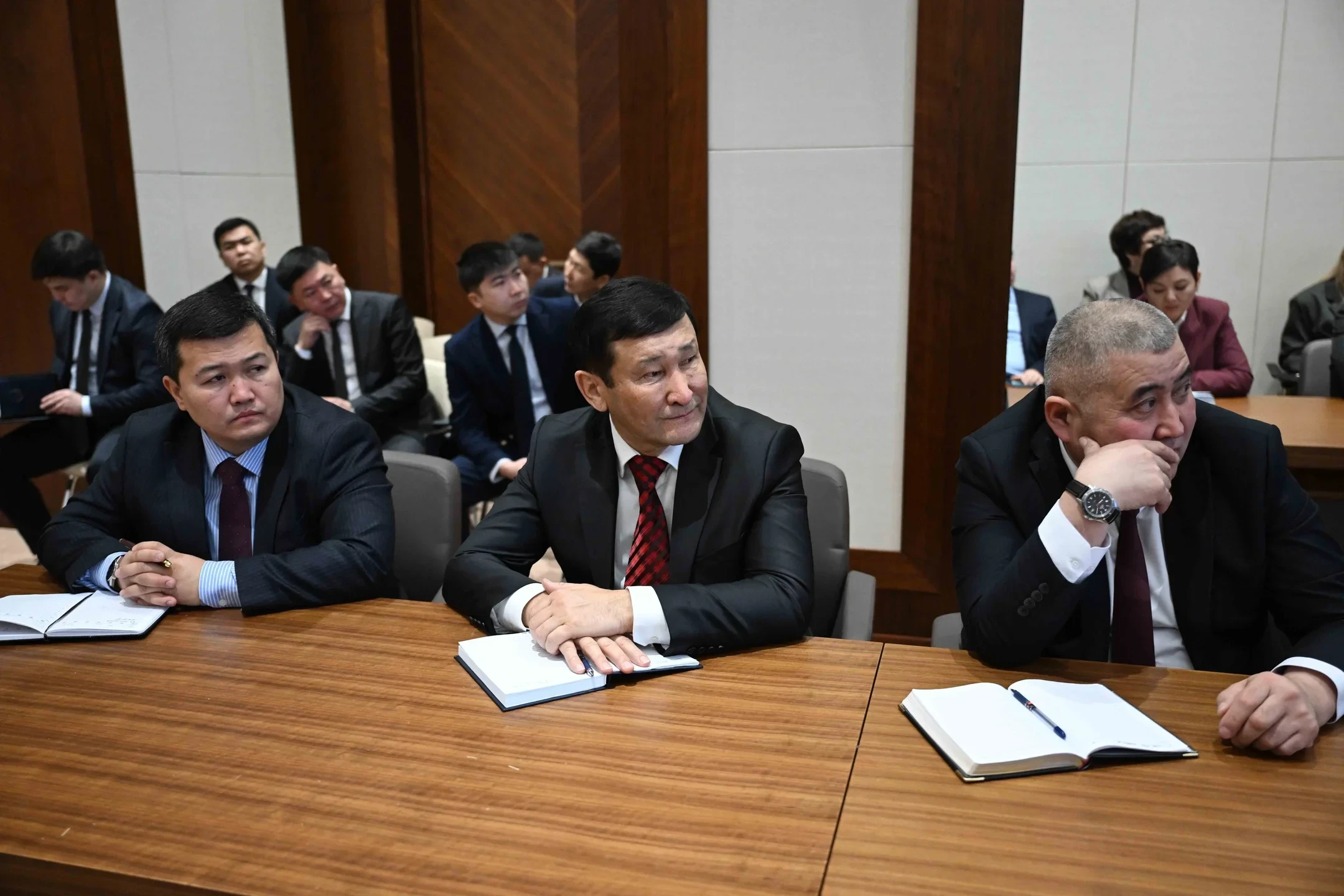

During a meeting held at the presidential administration, the Chairman of the Cabinet of Ministers of the Kyrgyz Republic, Adylbek Kasymaliev, presented the results of two reforms implemented under the "Government Accelerators" program. This was reported by the press service of the Cabinet of Ministers.
Kasymaliev noted that Kyrgyzstan's achievements under the "Government Accelerators" program, demonstrated during his working visit to the United Arab Emirates from February 3 to 5, were positively assessed by both the Emirati side and the international community.
He emphasized the need for further reforms under this program and the importance of monitoring their implementation.
It should be clarified that within the framework of the program launched in 2025, 12 reforms aimed at addressing various socio-economic challenges were initiated. All reforms achieved their goals, and the results of two of them were announced at the meeting.
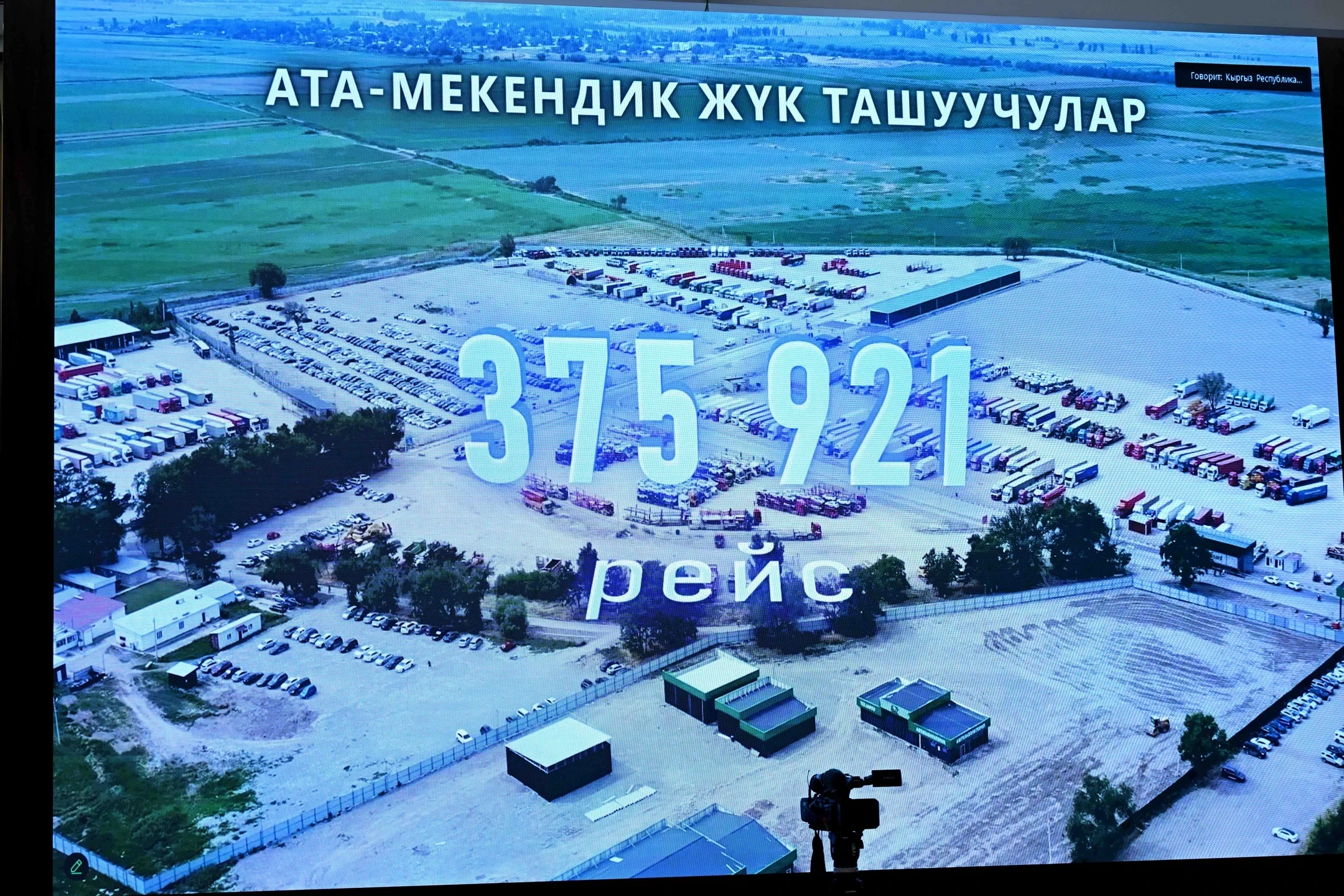
One of the reforms was the simplification of the process for obtaining permits for international road transport to China. Previously, Kyrgyzstan and China exchanged a fixed number of permits for international transport, which caused difficulties due to the lack of an integrated information system and an electronic approval mechanism. Now, the time required to obtain a permit form is reduced from 24 hours to 10 minutes thanks to the implementation of the e-Permit software, which allows applications to be submitted online and payments to be made through electronic wallets. Information exchange between government agencies is now fully conducted in electronic format through the "Tündük" platform.
The second reform was the simplification of the transport control procedure at the borders of EAEU countries. Previously, Kyrgyz carriers faced problems due to the lack of information exchange between Kyrgyzstan and other EAEU member states, leading to delays. In 100 days, data exchange integration was conducted, which allowed for the automation of processes and significantly reduced border crossing time.
The meeting also discussed important issues related to preparations for international events, the implementation of infrastructure projects, and current tasks. Relevant instructions were given following the meeting.


