
The decree emphasizes that the president holds Iran responsible for its pursuit of nuclear technologies, supporting terrorism, and developing ballistic missiles, which the U.S. believes poses a threat to the security and interests of American allies. Iran has not yet provided comments regarding this decision from Washington.
Crude oil remains Iran's main export item. As reported by Reuters on January 12, approximately 80% of Iranian supplies are directed to China. However, since 2022, Chinese customs statistics have not recorded direct oil supplies from Iran, which analysts explain by the fact that oil is being transshipped in other countries and is documented as Malaysian or Indonesian.
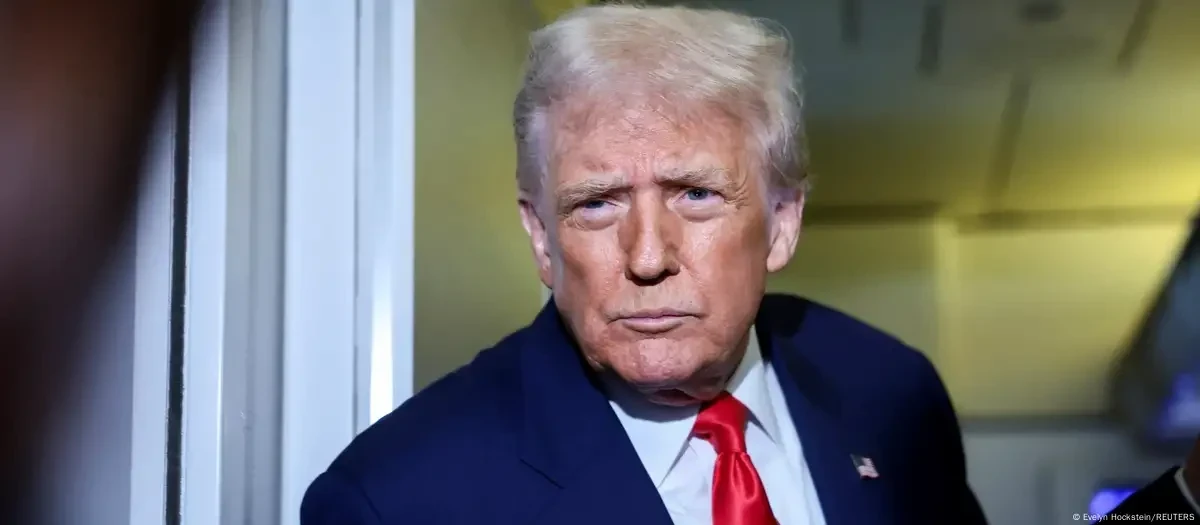
Although Trump did not comment on the decree in detail, he noted in a conversation with journalists that his position on Iran remains unchanged: "No nuclear weapons."
Last week, negotiations took place in Oman between Iran and the U.S., resulting from several weeks of mutual threats. The head of the Iranian delegation, Foreign Minister Abbas Araghchi, characterized the meeting as a "good start" and noted a "positive atmosphere." On the same day, Trump stated that the negotiations were "very good." The U.S. side included special envoy Steve Witkoff and the president's son-in-law Jared Kushner.
However, shortly after the negotiations concluded, the U.S. announced new sanctions against a number of vessels and companies involved in transporting Iranian oil.
Washington intended to discuss not only the nuclear program with Tehran but also missile technologies, support for armed groups in the Middle East, and the human rights situation within the country. Secretary of State Marco Rubio emphasized this two days before the negotiations.
Tehran, on the other hand, was only willing to discuss the nuclear program, stating its intention not to roll it back and refusing to talk about other issues, especially those related to missiles.
A regional diplomat familiar with Iran's position told Reuters that issues related to the missile program were ultimately not discussed in Muscat. According to him, Tehran demanded recognition of its right to enrich uranium but was willing to compromise on enrichment levels.
Highly enriched uranium is used in the production of nuclear weapons, while Iran insists that its nuclear program is aimed solely at peaceful purposes.


