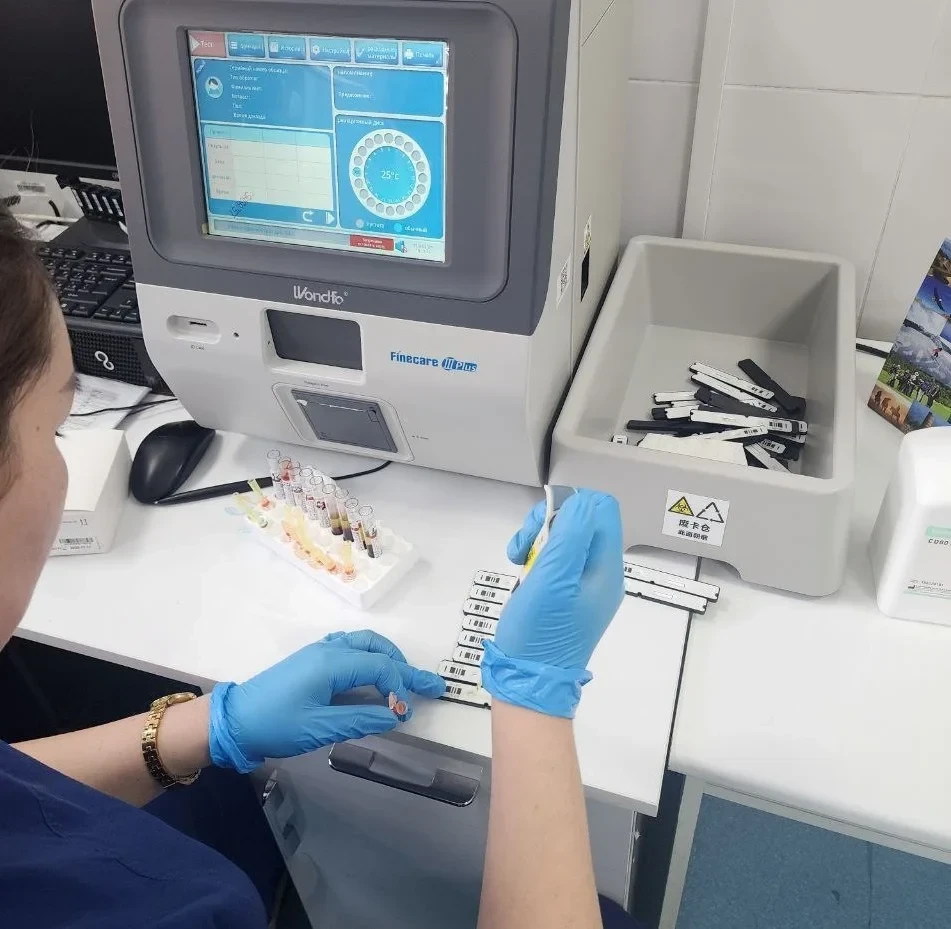
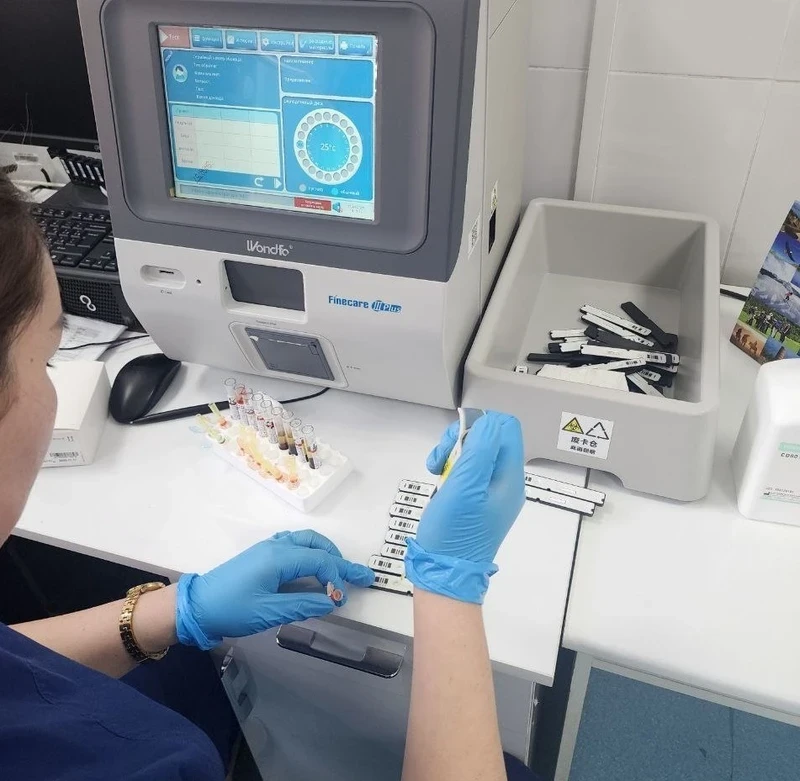
— We discussed a number of studies, in particular, those concerning C-reactive protein and procalcitonin. Previously, these tests were conducted only occasionally, and their funding often depended on sponsorship. After the visit of the Minister of Health, the situation has drastically changed: now the tests are conducted regularly and completely free of charge for all children.
— We use all permissible methods. When there is a pre-arranged request, transportation is carried out in our ambulance. We have created a clear regulation: once a day, the vehicle goes for blood components and returns with them to the department. This is the safest and legally justified option.
— Why not organize separate transport for emergencies?
— To do this, the National Center for Oncology and Medical Diagnostics would need to acquire a specialized vehicle, hire a driver, and take full responsibility for the transportation. In the event of an incident, if the driver is not an employee of the institution, all responsibility falls on the hospital. Under such conditions, this is legally impossible. Therefore, we chose the safest route — using the ambulance.
— What about the nutrition of parents who are with their children around the clock?
— This issue is currently under discussion. It is related to funding and is being resolved through the Ministry of Finance. As soon as the source of funding is determined, the issue of providing meals for parents will be resolved.
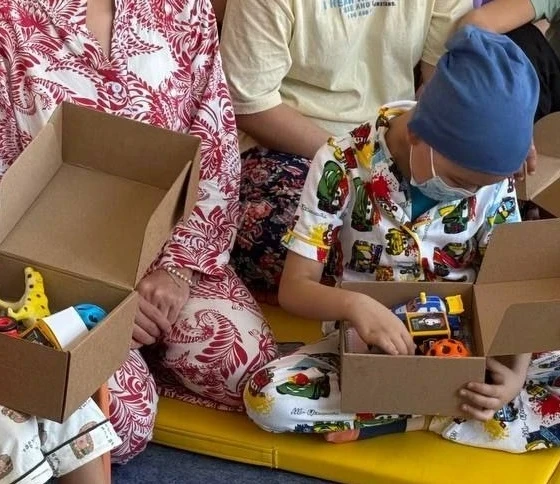
— This project is being implemented in collaboration with the government. It was prepared and approved last year, and we are now in the detailed planning stage. The hostel is extremely important so that children do not return to the regions during the inter-cycle treatment period, where the risk of complications and loss of medical control significantly increases. This is a timely and necessary initiative.
— Are there enough beds in the department?
— Sometimes there are short-term peaks in load, for example, after the New Year holidays, when many patients are admitted at the same time. This is a normal situation. All children were admitted and treated as usual, and no one was harmed.
— Is the number of children with cancer increasing?
— Yes, the detection rate is growing. If 4-5 years ago we recorded 120-150 cases per year, now there are more than 200. This is related to the improvement of primary care, increased vigilance of doctors, and awareness of parents.
— We held a working meeting with representatives of the Ministry of Health and "Kyrgyzpharmacia." Most issues were resolved within two weeks, and the necessary medications arrived at the department. The application for 2026 was submitted in advance, and supplies are expected in the second half of the year, and at the moment we have a stock of medicines purchased earlier.
— So there is currently no shortage of medications?
— Overall, we have most medications available. Problems may arise only in cases where specific drugs are unavailable from manufacturers. First-line medications are mainly secured. Second-line treatments are usually high-cost technologies. These medications are very expensive and are often not subsidized by the government.
To be continued