The company Netflix is actively trying to convince skeptical lawmakers that its intention to acquire Warner Bros. Discovery for $82 billion will benefit not only consumers but also workers and the entire entertainment industry. This was reported by the BBC.
At a meeting of the U.S. Senate antitrust subcommittee held on Tuesday, both Democrats and Republicans expressed concerns about potential decreases in competition, rising prices, and negative consequences for theaters if the merger is approved.
The current deal, which is under review by the U.S. Department of Justice, will give Netflix control over Warner Bros. studios and the HBO Max streaming service.
At the same time, Paramount Skydance is actively promoting its alternative proposal to acquire Warner Bros.
During the discussions, senators noted the presence of bipartisan resistance to this merger, but the decision to approve or block it remains with the regulatory authorities of the Department of Justice.
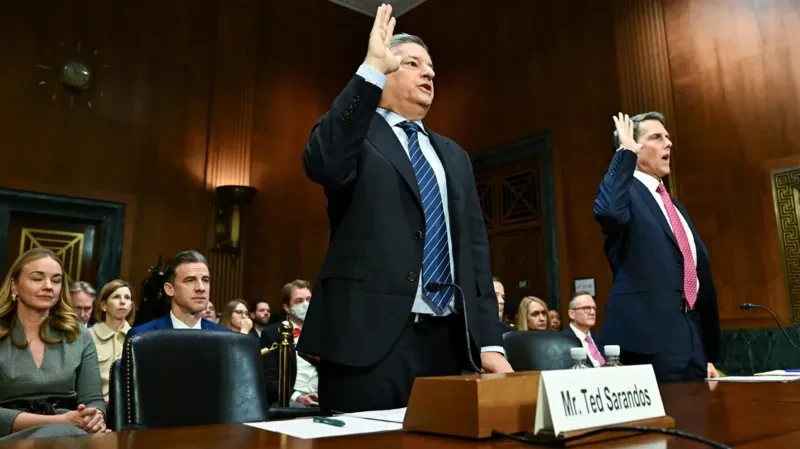
Senators asked Ted Sarandos, co-CEO of Netflix, questions regarding the future of theaters, the potential impact of the merger on subscription prices, and on workers in the entertainment sector.
Sarandos assured that Netflix would continue to release Warner Bros. films in theaters for 45 days — this is the standard time in the industry — and promised that the management of the studio would largely remain the same.
He also claimed that the merger of the companies "will provide consumers with more content at lower prices," adding that 80% of HBO Max users, the Warner Bros. streaming service, are also Netflix subscribers.
Additionally, he noted that the merger would create new jobs in the U.S.
However, Republican Senator Mike Lee warned that "the consolidation of two major employers in one market could negatively impact competition for labor." While some Republicans expressed concern about competitive aspects, others focused on culture wars, noting Netflix's progressive content. Senator Eric Schmitt accused the company of predominantly reflecting progressive views in its materials.
It is worth noting that Paramount CEO David Ellison was not present at the hearings, despite his company's efforts to acquire Warner Bros. earlier.
Paramount, backed by the billionaire Ellison family, claims that its offer to purchase Warner Bros. for $108 billion is more advantageous.
Critics of both deals warn that any of the mergers could lead to excessive concentration of power in the hands of one company.
Democratic Senator Cory Booker characterized the absence of Paramount representatives at the hearings as "disappointing," noting that Ellison declined his invitation to testify.
“In the case of either merger, the other company will gain more control over what we see and hear, as well as over the news we receive,” emphasized Booker.
In order to strengthen its position in the competition with Paramount for the Hollywood studio, Netflix updated its offer, stating its intention to pay for the deal entirely in cash, unlike the previously proposed combination of cash and stock.
The hearings also discussed whether YouTube, owned by Alphabet, is a serious competitor to Netflix.
Sarandos argued that “we compete for the same content, for the same viewers, and often for the same advertising dollars,” adding that “YouTube is now not just cat videos; it’s television.” However, some lawmakers, including Lee, remain skeptical of these claims, asserting that YouTube should not be considered a competitor. Paramount's position also dismissed these arguments.