
According to the analytical center Ember, in 2025, renewable energy sources, including wind and solar, produced more electricity in the European Union than fossil fuels.
This year, solar and wind energy accounted for a record 30% of total production, while fossil fuels made up 29%.
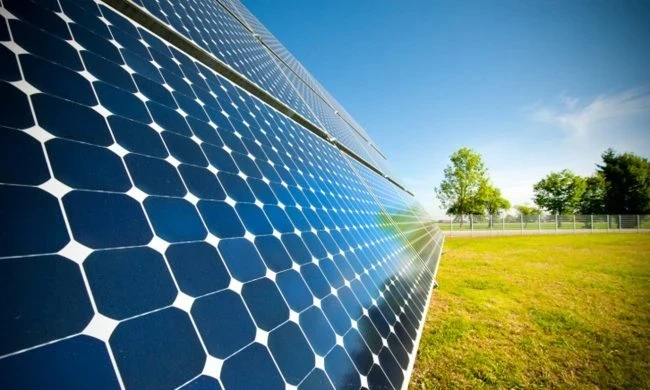
One of the key factors contributing to the growth of renewable energy sources is the rapid increase in solar generation, which has shown growth over the past four years, increasing by 20.1% in 2025. Solar energy provided 13% of all electricity in the EU, surpassing coal and hydropower. The best results were recorded in countries such as Cyprus, Hungary, Greece, Spain, and the Netherlands, where solar energy covered more than 20% of total consumption.
Wind energy accounted for 17% of total production, exceeding the level of gas power plants. As a result, renewable energy sources provided almost half (48%) of all electricity in the EU, despite a 12% decrease in hydropower generation and a 2% decrease in wind energy due to unusual weather conditions.
Changes in the EU's energy structure are becoming increasingly noticeable. In 2025, in 14 out of 27 countries, the share of wind and solar energy exceeded that of fossil sources, and over the past five years, their combined share has increased from 20% to 30%. At the same time, the share of fossil fuels decreased from 37% to 29%, while hydropower and nuclear energy remained at the same level.
The decrease in hydropower generation and rising gas prices led to increased costs for fuel imports. Gas power plants increased their output by 8%, however, their long-term productivity is still 18% lower than in 2019. The EU's spending on gas imports rose to 32 billion euros, which is 16% more compared to 2024, particularly affecting Italy and Germany. During peak gas consumption hours, electricity prices surged, averaging an 11% increase compared to 2024.
Coal energy continues its decline, reaching a historic low of 9.2% in 2025.
Over the past ten years, the share of coal energy has decreased almost fourfold, and in 19 EU countries, electricity production using coal accounts for less than 5%. Even in major coal-producing countries like Germany and Poland, coal energy has reached record low levels.
“This important moment demonstrates how quickly the EU is moving towards a renewable-based energy system,” commented Dr. Beatrice Petrovich, one of the report's authors. She also noted that reducing dependence on fossil fuels helps decrease geopolitical instability associated with global energy markets.


