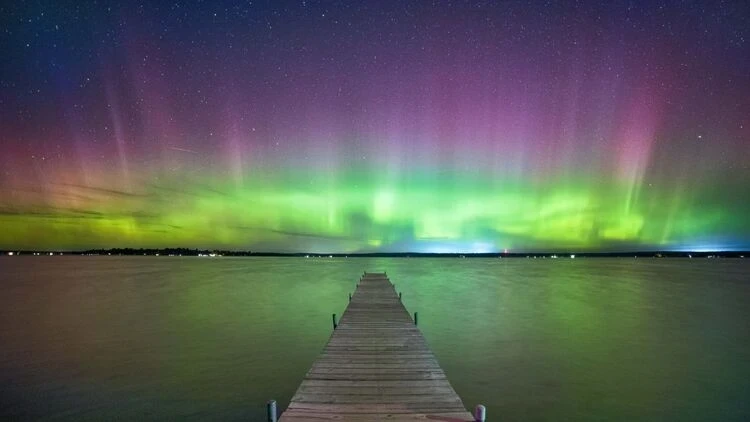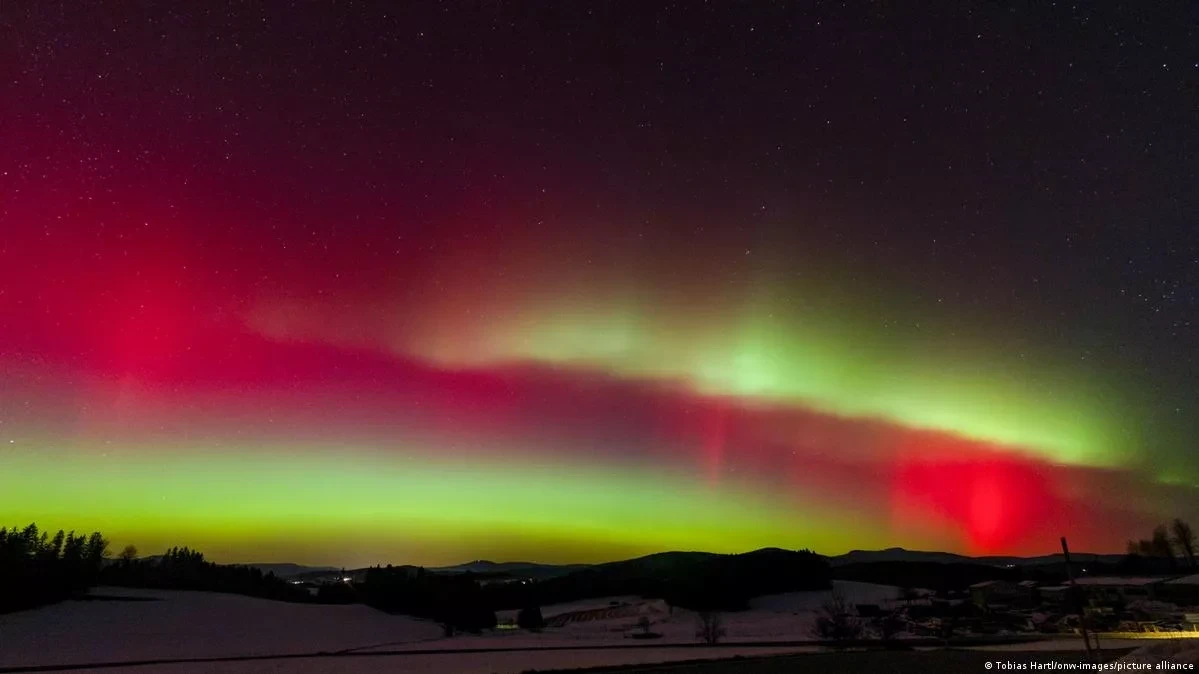
According to information from the Solar Astronomy Laboratory of the IKI RAS, "the only currently accurately measurable indicator of solar wind is the magnetic field induction, which is close to historical highs." It is also noted that the magnetic storm will last at least another day, and full stabilization of the geomagnetic situation is not expected for another 2-3 days.
Despite the strong indicators, scientists assure that there is no danger to people on the surface of the Earth. The magnetic field and atmosphere reliably protect against high-energy particles at altitudes, preventing them from reaching the surface. Otherwise, the planet's biosphere could be at risk. However, astronauts in open space and passengers on high-altitude flights in northern latitudes are still exposed to risks.
The most vulnerable part of this situation is space technology. Even with radiation-resistant electronics, intense proton flows can cause memory failures in satellites, increase interference in imaging systems, and lead to errors in star trackers, which affects the orientation of the devices. Additionally, solar wind poses a serious threat to many SpaceX Starlink internet satellites—failure of one of them could trigger a chain reaction with serious consequences. According to NOAA estimates, disruptions in shortwave radio communication in polar regions and increased navigation errors are also likely over the next few days.