
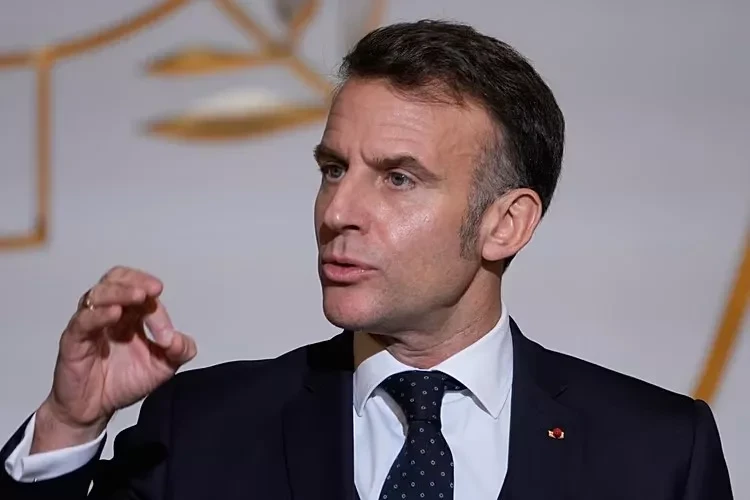
According to the source, Macron expressed doubts about the charter of the new council, believing that it does not comply with the international norms established by the UN, which raises serious concerns for him, especially in the context of the situation in Gaza.
Trump expanded the concept of his Council of Peace so that it could perform functions currently carried out by the UN, which critics argue could create competition for this organization.
The preamble of the charter emphasizes that many approaches to achieving peace only exacerbate crises instead of resolving them. The charter calls for the creation of a coalition of countries ready for active action and cooperation.
Julien Barnes-Dacey, director of the Middle East and North Africa program at the European Council on Foreign Relations, noted that it is difficult not to perceive this initiative as an attempt by Trump to establish a precedent that could be used in other regions to demonstrate his influence on international decisions.
Analysts suggest that countries such as China, Russia, the United Kingdom, and France, which are permanent members of the UN Security Council, will not be interested in replacing this structure with a council created by Trump. Many other states may also view this initiative with skepticism, as the UN remains an important international forum for them.
Kremlin spokesman Dmitry Peskov reported that Vladimir Putin received an invitation to participate in the Council of Peace, and Russia is currently studying the details of this proposal, without commenting on the terms of contribution.
Arab countries have expressed concern about the Council's involvement in other conflicts, emphasizing that it should first focus on the peace process in Gaza. They believe that the creation of a new global structure under Trump's control could lead to risks.
As the chair of the new council, Trump will have significant powers, including the right to appoint and dismiss member states, as well as the ability to veto its decisions. The charter also grants him exclusive powers to create additional structures to carry out the Council's mission.


