
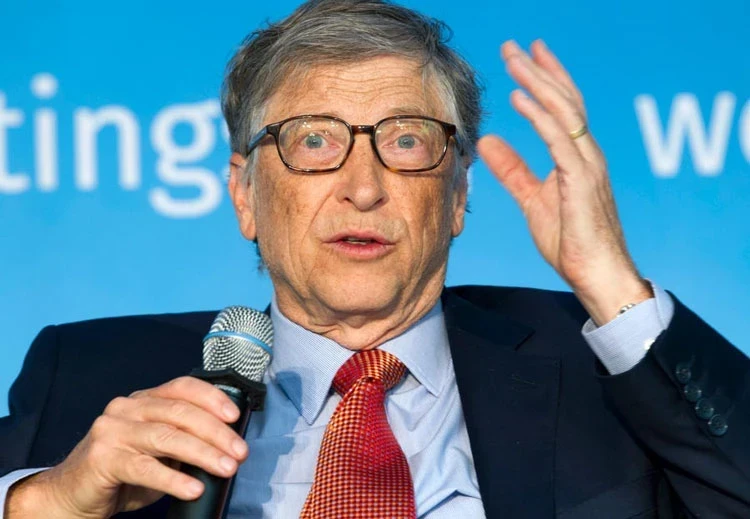
In his manifesto, Gates emphasizes how technology can contribute to changing the world in the next ten years, highlighting three key issues that need to be addressed.
Gates also speaks about the need to scale technologies to achieve equality. The philanthropist identifies three key areas: in climate, a global carbon tax is necessary for market forces to work; in medicine, algorithms are already helping in the early diagnosis of Alzheimer's disease, which could save billions; his foundation has already invested $1.4 billion (about 110 billion rubles) to support farmers by providing them with more accurate forecasts about weather and crop diseases.
Regarding education, personalized learning using machine systems is already being tested in New Jersey, significantly changing student motivation.
Gates also touches on the negative consequences of accelerated technological progress. He does not believe that the development of technology will reach a plateau: in his opinion, algorithms and machines will surpass human capabilities. The main risks in the coming years, according to him, lie in bioterrorism and a potential collapse of the labor market, which he compares to the consequences of the COVID-19 pandemic.
According to Gates, programmers are already working with neural networks, making them more efficient; however, this could lead to a sharp reduction in jobs for warehouse workers and call center operators. He predicts that the effects of these changes will be noticeable within the next five years, and 2026 will be the year for preparing policies for wealth redistribution.
Despite all the challenges, Gates remains an optimist, believing in humanity's ability to foresee problems and care for one another. He finds examples of people acting for the good of society rather than individual groups and considers these qualities the foundation of hope for progress in the future.


