
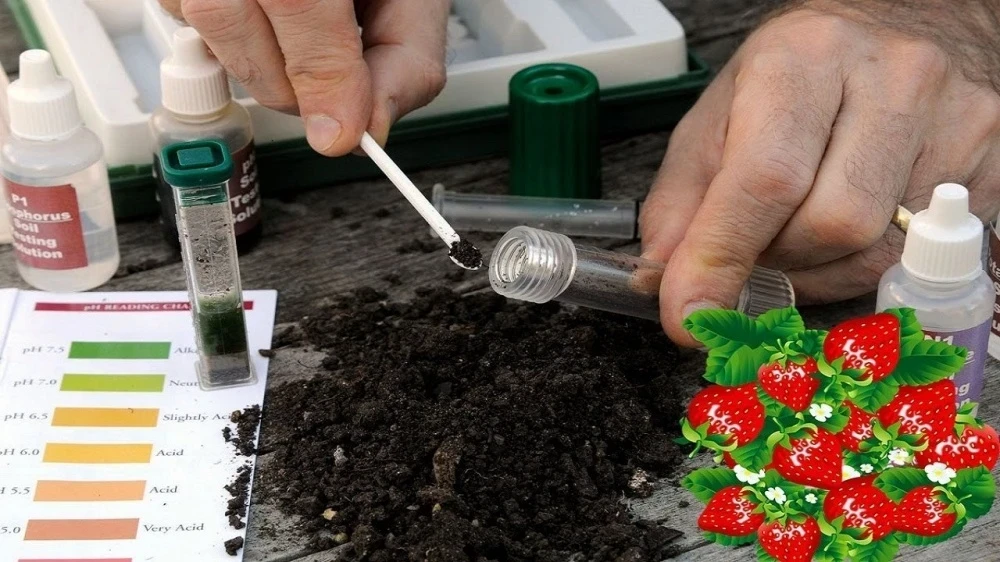
Climate change and the deterioration of land conditions are creating new challenges for farmers in Kyrgyzstan. In an interview with VB.KG, the head of the Laboratory for Agricultural Resource Research in Central Asia at KNAU, PhD in Biological Sciences, and Associate Professor Roza Orozakunova explained why laboratory soil analysis results are becoming more important for agrarians than weather forecasts. She reminded that according to the laws of the country, agrarians are required to conduct agrochemical analysis of their lands at least once every five years.
“The climate changes occurring in recent years pose one of the main threats to the agricultural sector. The increase in average annual temperatures, the frequency of droughts, uneven distribution of precipitation, and extreme weather conditions directly affect soil conditions and, consequently, crop yields. In such conditions, it is especially important to systematically monitor soil fertility and apply scientifically justified methods of its use,” she noted.
In our laboratory, a comprehensive analysis of soil samples taken directly from farmers' fields and agricultural producers is conducted. The research results include seven key indicators necessary for an objective assessment of soil conditions and its resilience to climate change.
One of the most important indicators is the humus content, which is the basis of soil fertility and an important factor for retaining moisture and nutrients. In the context of climate change, humus acts as a “buffer,” helping to mitigate the negative effects of droughts and sharp temperature fluctuations. Research is also conducted to ensure that the soil contains essential plant nutrients such as nitrogen, phosphorus, and potassium, including their mobile forms that are better absorbed by crops. This data allows for an assessment of how well the soil can support plants under climate stress.
Field methods are also used to determine the mechanical composition of the soil, which affects water regime, aeration, and erosion resistance. In light of increasing heavy rainfall and wind erosion, this indicator becomes particularly important when selecting agricultural technologies.
We fully support the initiative of the Ministry of Agriculture to conduct agrochemical soil analysis at least once every five years. Regular monitoring helps to timely identify nutrient deficiencies, prevent soil degradation, and rationally select types and rates of fertilizers. In the context of climate change, this approach becomes not just recommended, but critically important for maintaining the productivity of agricultural lands.
In addition to diagnostics, it is extremely important to continuously work on improving soil fertility and implementing effective agricultural technologies: the use of organic fertilizers, minimal soil tillage, crop rotation, the use of green manures, and precision farming. These measures contribute to the accumulation of humus, reduction of greenhouse gas emissions, and increased resilience of agroecosystems to climate risks.
Thus, soil analysis today is not only a tool for assessing the condition of fields but also a strategic foundation for adapting agriculture to climate change, preserving fertility, and ensuring food security in the long term. In the process of Kyrgyzstan's transition to organic farming, this step becomes essential for all farmers,” added Roza Orozakunova.


