
Sergey Vakulenko, a senior researcher at the Carnegie Moscow Center for Russian and Eurasian Studies, asserts in a special article for the Carnegie Politika project and the publication "Meduza" that the return of Venezuelan oil to the international market will not be a "panacea" for the U.S. administration for several key reasons.
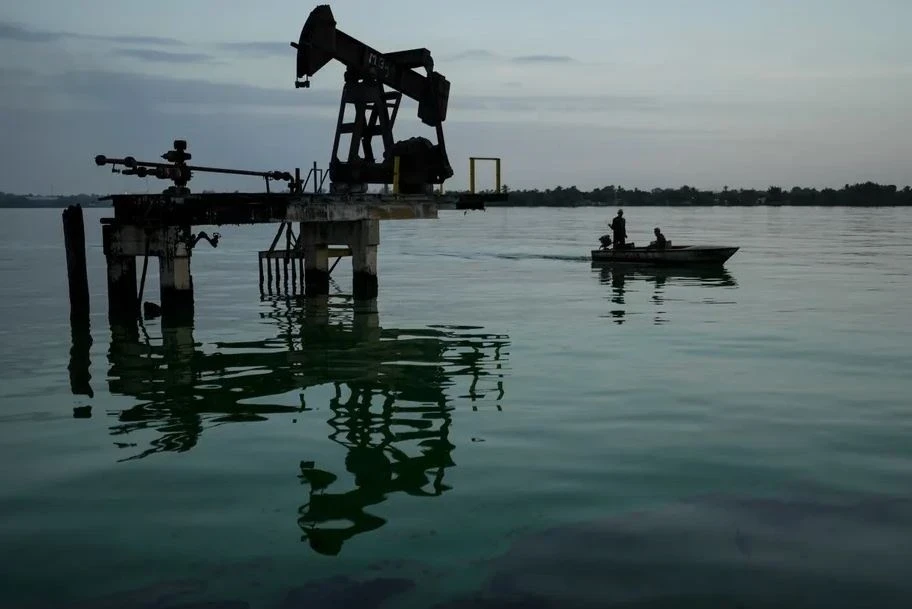
First, the illusion of "easy oil" indicates that Venezuela is unable to quickly increase production levels. Years of underfunding and sanctions have left the country's infrastructure in a dire state. To return to production levels achieved in the 1990s will require not only a significant amount of time but also investments in the hundreds of billions of dollars, making immediate market impact impossible.
Second, the high production costs of Venezuelan oil also play a role. Many reserves are concentrated in the Orinoco Belt and consist of extra-heavy crude oil, whose extraction and processing are significantly more expensive than lighter grades. This complicates the ability to keep global prices below $50 per barrel using such oil.
Moreover, dependence on old commitments is another factor that limits Venezuela's options. A significant portion of current production is already contracted to pay off debts to China and Russia, which hinders the shipment of oil volumes to U.S. refineries, even if the U.S. gains full control over the industry.
Finally, the technological barrier also prevents a quick response to current market demands. The market expects solutions "here and now," while the Venezuelan reality requires long-term investments and development. In the short term, the increase in supply will amount to only hundreds of thousands of barrels per day, which is clearly insufficient to counteract OPEC+ policies.
In conclusion of his analysis, Sergey Vakulenko emphasizes that Venezuelan resources remain an important strategic reserve for many years, but they cannot serve as an effective mechanism for reducing high gasoline prices in the U.S.


